


What Is Hangxiety? Understanding Hangover Anxiety and How to Manage It


Dr. Faith A. Coleman, M.D.
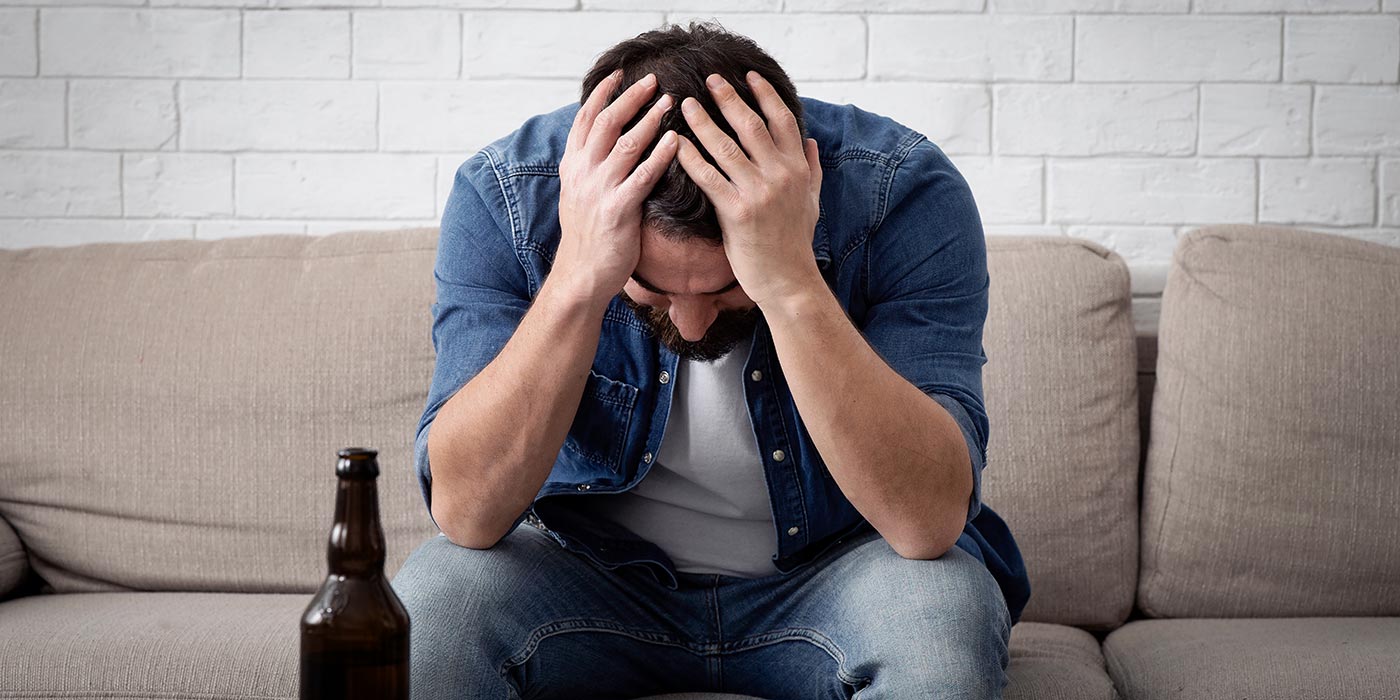

- Hangxiety is the combination of hangover and anxiety, describing the tension, worry, and unease many people experience the day after drinking alcohol.
- Hangover anxiety results from neurochemical imbalances, dehydration, poor sleep, elevated stress hormones, and psychological factors like regret or social worry.
- Hangxiety symptoms include a racing heart, tight chest, irritability, mental fog, and heightened worry that can last hours or even days after drinking.
- Some people are more vulnerable to hangxiety due to genetics, baseline anxiety levels, trauma history, or co-occurring mental health conditions.
You wake up after a night of drinking, and alongside the headache and nausea, you feel an overwhelming wave of dread—your heart races. Your mind replays every conversation from the night before. You feel worried, on edge, and anxious for reasons you can’t quite name. This experience has a name: hangxiety.
Hangxiety refers to the anxiety many people feel during a hangover, caused by biological, chemical, and psychological factors [1]. If this sounds familiar, you’re not alone. Hangover anxiety is common, and understanding why it happens can help you manage it more effectively. In this guide, we’ll explore what causes hangover anxiety, how it manifests, and practical strategies to alleviate hangover-related anxiety symptoms. If alcohol use is becoming distressing or hard to control, Epiphany Wellness is here to help with compassionate, professional support.
Hangxiety Meaning: The Simple Definition
So what does hangxiety mean exactly? Hangxiety is a blend of “hangover” and “anxiety.” It is not a medical diagnosis. It describes the next-day rise in tension, fear, worry, or unease that occurs after drinking alcohol. While a hangover involves physical symptoms like headache, nausea, and fatigue, hangxiety adds a psychological and neurological layer of discomfort. You might feel emotionally raw, socially anxious, or gripped by a sense of impending doom.
The term has gained popularity on social media and in internet culture, but it’s grounded in real neurochemistry and physiological processes. Hangxiety isn’t just “in your head.” It’s a real response to how alcohol affects your brain and body [1].
What Causes Hangxiety? Understanding the Science Behind Hangover Anxiety
Hangover anxiety doesn’t have a single cause. It’s the result of multiple biological, neurological, and psychological factors working together.
Neurochemical Rebound (GABA & Glutamate Imbalance)
Alcohol initially acts as a depressant. It boosts gamma-aminobutyric acid (GABA), an inhibitory neurotransmitter(chemical messenger) that creates feelings of relaxation and calm [4]. At the same time, alcohol suppresses glutamate, an excitatory neurotransmitter that keeps your brain alert and active.
The problem occurs the next day. Your brain tries to rebalance itself by reducing GABA activity and ramping up glutamate production. This rebound effect creates a heightened stress response. Your nervous system becomes overactive, which manifests as anxiety, restlessness, and feeling “wired” despite being physically exhausted.
Dehydration & Blood Sugar Fluctuations
Alcohol is a diuretic, meaning it increases urine production and leads to dehydration [5]. Dehydration triggers headaches, dizziness, mental fog, and physical jitters that can feel indistinguishable from anxiety symptoms.
Additionally, alcohol causes blood sugar levels to spike and then crash. Low blood sugar amplifies anxious sensations, making you feel shaky, irritable, and emotionally unstable.
Increased Heart Rate & Cortisol
Alcohol consumption elevates cortisol, your body’s primary stress hormone [7]. Even though you might feel relaxed while drinking, your body is actually under physiological stress. The next day, elevated cortisol levels persist, contributing to feelings of anxiety and unease. Many people also experience heart palpitations (the sensation of your heart beating unusually) or a racing heartbeat during a hangover, which can trigger panic attack-like feelings.
Poor Sleep & REM Suppression
Alcohol might help you fall asleep faster, but it severely disrupts sleep quality. It suppresses REM (rapid eye movement) sleep, the restorative phase in which your brain processes emotions and consolidates memories [5]. As the alcohol wears off during the night, your brain experiences rebound activation, leading to fragmented, restless sleep and next-day anxiety.
Psychological Factors
Beyond the biological causes, hangxiety often involves psychological components. You might replay events from the night before, worrying about things you said or did. Social anxiety kicks in as you wonder what others thought of you. Guilt, regret, and embarrassment amplify the physical discomfort you’re already experiencing.
Early-Stage Withdrawal (for Heavy Users)
For people who engage in frequent or heavy drinking, hangxiety can be an early sign of alcohol withdrawal [2]. If you notice that your hangxiety is intense, lasts multiple days, or includes symptoms like tremors or severe agitation, this may indicate a more serious issue that would benefit from professional support.
Hangxiety Symptoms: What Hangover Anxiety Feels Like
Hangxiety symptoms vary from person to person, but they generally fall into three categories:
Physical Symptoms:
- Racing or pounding heart
- Tight chest or difficulty breathing deeply
- Shakiness or tremors
- Nausea or upset stomach
- Sweating or clamminess
- Restlessness and inability to sit still
Psychological Symptoms:
- Irritability and mood swings
- Heightened worry or sense of dread
- Feeling mentally “on edge” or jumpy
- Rumination about social interactions
- Free-floating fear without a clear cause
- Emotional sensitivity and tearfulness
Cognitive Symptoms:
- Mental fog and difficulty concentrating
- Overthinking or replaying events obsessively
- Jumpiness and heightened startle response
- Difficulty making decisions
Some people also experience what’s called an “emotional hangover,” feeling overly sensitive, vulnerable, or emotionally raw after drinking [6]. It’s worth noting that hangxiety symptoms overlap with anxiety disorders, but they’re typically time-limited and tied directly to alcohol use.
Why Hangxiety Impacts People Differently
Not everyone who drinks experiences hangover anxiety. Several factors influence your vulnerability to hangxiety.
Genetics and brain chemistry play a significant role. Some people naturally have lower levels of neurotransmitters that regulate mood and anxiety, making them more susceptible to the neurochemical imbalances caused by alcohol.
Baseline anxiety levels matter tremendously. If you already live with an anxiety disorder or tend toward anxious thinking, you’re more likely to experience pronounced hangxiety.
Using alcohol for stress relief creates a problematic pattern. When you drink to cope with anxiety or difficult emotions, your brain becomes accustomed to alcohol as a coping mechanism. The rebound anxiety the next day can be more intense.
Trauma history affects how your nervous system responds to stress. People with traumatic backgrounds often have more reactive stress responses, which can amplify hangxiety symptoms.
Co-occurring mental health conditions like depression, PTSD, or bipolar disorder can worsen hangover anxiety. The interaction between these conditions and alcohol’s neurochemical effects creates a setting for next-day distress.
Frequency and quantity of drinking directly correlate with hangxiety severity. The more you drink and the more often you drink, the more likely you are to experience intense hangover anxiety.
From a behavioral health perspective, anxiety and alcohol often form a feedback loop. You drink to relieve anxiety, experience rebound anxiety the next day, then drink again to feel better. This cycle can quickly spiral into problematic use patterns [2].
How to Manage Hangxiety: Practical Strategies That Work
If you’re experiencing hangover anxiety, there are concrete steps you can take to feel better.
Avoid Excessive Alcohol
You can choose not to drink alcohol. If you do drink, limit your alcohol use to amounts which don’t significantly impair cognitive processes like judgement and decision-making, or excessively lower inhibitions. Pace yourself. Stay hydrated. Eat before and during drinking. Get adequate sleep. You can avoid dehydration, low blood sugars, stress hormone spikes, and next-day regrets, emotional trauma, or anxiety.
Rehydrate & Eat Balanced Foods
Drink plenty of water and consider beverages with electrolytes. Eat foods that stabilize blood sugar, like whole grains, protein, and healthy fats. Avoid excessive caffeine, which can worsen anxiety symptoms.
Regulate the Nervous System
Your nervous system is in overdrive during hangxiety. Try deep breathing exercises, focusing on slow exhales [3]. Grounding exercises, such as the 5-4-3-2-1 technique (name five things you see, four things you can touch, three things you hear, two things you smell, and one thing you taste), can help anchor you in the present moment. Mindfulness practices and progressive muscle relaxation also help reduce physical tension.
Replenish Sleep Deprivation
Your body needs rest to recover. If possible, take a nap or simply rest quietly. Light movement, like gentle stretching or a short walk, can help, but avoid intense exercise. Limit sensory stimulation by staying off electronic screens and avoiding loud or chaotic environments.
Address Emotional Stressors
Journaling can help you process anxious thoughts and gain perspective. Write down what you’re worried about, then reality-check those concerns. Talking with a trusted friend who understands can provide reassurance. Avoid spiraling on social media, where you might misinterpret posts or interactions from the night before.
Reduce Sensory Overload
Create a calm environment. Stay in a quiet space with soft lighting. Engage in low-stimulation activities, such as listening to gentle music or watching familiar comfort shows.
When Hangxiety Signals a Bigger Problem
Pay attention if your hangxiety lasts beyond 24 hours, if you find yourself needing alcohol to cope with daily stress, if you’re drinking specifically to relieve anxiety, or if hangxiety is becoming frequent or intense. These patterns suggest that alcohol use may be causing more harm than you realize.
Hangxiety, Mental Health, and Alcohol Use: When to Pay Attention
Hangover anxiety doesn’t exist in a vacuum. It’s intimately connected to your overall mental health and your relationship with alcohol. Research shows strong links between anxiety disorders and alcohol misuse [2]. People with anxiety are more likely to use alcohol as a coping mechanism, and regular alcohol use can worsen anxiety over time.
If you live with an anxiety disorder, you’re more vulnerable to hangxiety. The cycle becomes self-reinforcing: alcohol provides temporary relief from anxiety, the rebound anxiety the next day feels unbearable, so you drink again to soothe the discomfort. This pattern can quickly evolve into dependence and addiction.
This is where dual-diagnosis support becomes essential. At Epiphany Wellness, we specialize in treating both substance use and mental health conditions simultaneously because addressing one without the other rarely leads to lasting recovery.
When Hangxiety Is a Sign You May Need Help
Sometimes hangxiety is more than an occasional discomfort. Consider seeking professional support if you notice any of these signs:
- Hangxiety lasts for several days rather than resolving within 24 hours
- Heavy or frequent drinking that feels hard to control
- Drinking specifically to escape stress, emotional pain, or anxiety
- Withdrawal symptoms like tremors, severe agitation, or confusion
- Hangxiety or alcohol use interfering with work, relationships, or daily functioning
- Co-occurring anxiety, depression, trauma, or other mental health conditions
At Epiphany Wellness in Blackwood, New Jersey, we offer compassionate, evidence-based treatment through our outpatient programs, including the Partial Hospitalization Program and the Intensive Outpatient Program. Our approach includes therapy, medication management when appropriate, dual-diagnosis support, and relapse prevention skills. Recovery is possible, and you don’t have to navigate it alone.
Frequently Asked Questions About Hangxiety
 To guarantee that all of our information is accurate, we ensure that all our sources are reputable. That means every source is authenticated and verified to be backed only by medical science.
Epiphany Wellness Editorial Guidelines
At Epiphany Wellness, we take your health and wellness seriously. We have a thorough process in place to ensure the integrity of information that is displayed on our website. All content published to our site undergoes a rigorous medical review by a doctorate level clinician to ensure medical accuracy.
Read More About Our Process
Schedule a Free and Confidential Consultation with Epiphany Wellness
 609-710-9423
 info@epiphanywellness.com