


Side Effects of PCP: Understanding the Immediate and Long-Term Impact


Dr. Faith A. Coleman, M.D.

- PCP causes severe immediate effects, including hallucinations, violent behavior, and loss of pain sensation.
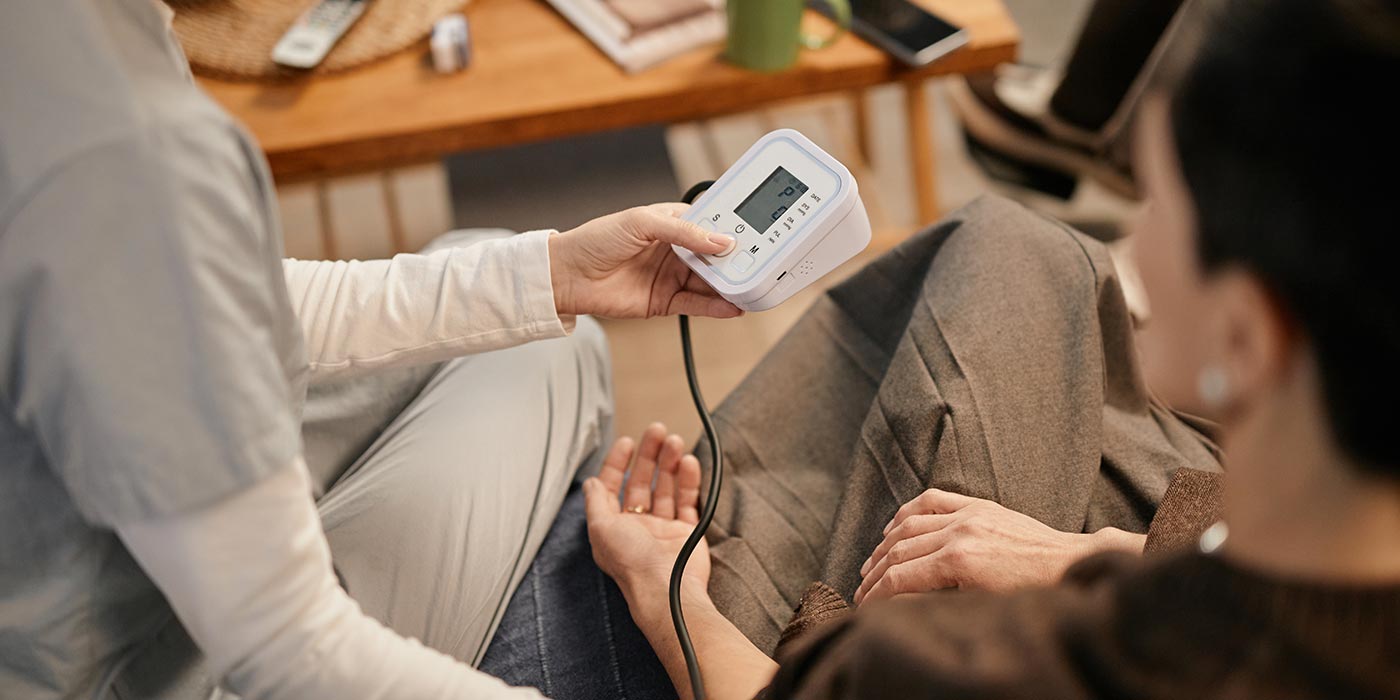
- Short-term effects include elevated heart rate, blood pressure, and body temperature that can be life-threatening.
- Long-term effects include persistent cognitive impairment, memory loss, and lasting psychiatric problems.
- PCP can disrupt brain function, potentially leading to permanent changes in learning and memory.
- Illicit PCP’s unpredictable potency creates exceptionally high risks for injury and overdose.
People refer to PCP as “angel dust,” but this name does not reflect its dangerous nature. The strong dissociative substance has caused many deaths and created permanent harm. People need to understand PCP side effects to protect themselves and others from its possible dangerous effects.
At Epiphany Wellness, we’ve supported many individuals and families affected by PCP use. This article explains what PCP is, its immediate effects, and the long-term health consequences.
What Is PCP?
PCP, or phencyclidine, is a dissociative hallucinogen [1] originally developed as a surgical anesthetic in the 1950s. Medical researchers initially hoped it would provide pain relief during surgery without the respiratory depression (shallow breathing that leads to a buildup of carbon dioxide and a lack of oxygen) caused by other anesthetics. However, due to severe side effects, including hallucinations, delirium, and extreme agitation in patients recovering from surgery, it was discontinued for human use by 1965. Despite being deemed too dangerous for medical purposes, PCP made its way to illegal drug markets and has remained a drug of abuse for decades.
People use PCP by smoking it (often sprinkled on marijuana, tobacco, or dried herbs), snorting it as a powder, swallowing it in pill or capsule form, or injecting it intravenously. On the street, it goes by numerous names, including angel dust, rocket fuel, love boat, peace pill, Sherman, embalming fluid (in liquid form), and wet or fry (when marijuana is dipped in PCP liquid and smoked).
PCP works by blocking NMDA receptors [2] in the brain, which are responsible for pain perception, emotions, learning, and memory functions. This blockage creates the drug’s characteristic “dissociative” effects, where users feel profoundly detached from their environment and even from their own body. Some describe it as an out-of-body experience or feeling like they’re observing themselves from a distance.
Immediate Effects on Behavior and Cognition
Smoking or injecting PCP produces effects within 2-5 minutes, while oral consumption takes 30-60 minutes. The effects depend heavily on the dose taken, and because street PCP has inconsistent potency, users often don’t know exactly how much they’re consuming. PCP is frequently adulterated with foreign substances such as fentanyl, which can lead to deadly overdoses, even in first-time users
At low to moderate doses (typically 1-5 mg), users experience euphoria and a sense of well-being, a floating sensation or feeling of weightlessness, numbness throughout the body, feelings of invincibility or superhuman strength, severely distorted perception of time and space, and profound detachment from reality. Many describe feeling like they’re watching themselves from outside their body or existing in a dream-like state.
At higher doses (10 mg or more), PCP drug effects become significantly more dangerous and unpredictable. Users may experience vivid and terrifying hallucinations, extreme paranoia and anxiety, violent and aggressive behavior [3] toward themselves or others, seizures that can be life-threatening, loss of consciousness or coma, and complete breaks from reality requiring emergency medical intervention.
What makes PCP particularly dangerous compared to other drugs is the severe cognitive disruption during intoxication. Users experience a profound impairment in their judgment and decision-making abilities, rendering them unable to assess risks or consequences effectively. Time distortion can make seconds feel like hours or compress hours into what feels like moments. Perhaps most dangerously, the sense of invulnerability leads people to engage in extraordinarily risky behaviors, from attempting to fly by jumping from buildings to confronting armed individuals or walking into traffic, because they genuinely believe they cannot be harmed or that they possess supernatural abilities.
Short-Term Physical Health Effects
PCP can create immediate physical symptoms, including increased heart rate and blood pressure, elevated body temperature, rapid or shallow breathing, muscle rigidity, excessive sweating, nausea, and loss of coordination.
Loss of pain sensation is particularly dangerous. Users may suffer serious injuries without realizing it and continue dangerous activities while seriously hurt.
Mixing PCP with alcohol or benzodiazepines can cause respiratory depression and death. Combining it with stimulants can cause heart attack or stroke.
Long-Term Effects on Cognitive Function and Mental Health
The long-term effects of PCP can be devastating and, in some cases, permanent [4]. Repeated use takes a serious toll on cognitive function that may not fully recover even with prolonged abstinence. Users often develop persistent and severe memory problems, particularly with forming new memories and recalling recent events. They may also experience speech difficulties, including slurred speech, stuttering, or an inability to find words. Additionally, they may have significantly impaired reasoning and problem-solving abilities, as well as severe difficulty with concentration and maintaining focus on tasks. Furthermore, their mental processing speed is dramatically slowed.
The psychiatric effects of long-term PCP use can be equally severe and often persist long after someone stops using the drug. Many chronic users develop long-lasting or even permanent psychosis (a long-term state with symptoms like delusions and hallucinations) that closely mimics schizophrenia, making it difficult to distinguish between PCP-induced psychosis and primary mental illness, chronic paranoia and deep suspiciousness of others that damages relationships, severe depression that may not fully resolve with treatment, persistent anxiety and panic attacks that occur without triggers, and a significantly increased risk of suicidal thoughts and behaviors.
What’s particularly concerning from a neurological perspective is how PCP disrupts neuroplasticity, which is the brain’s fundamental ability to form new nerve connections and adapt to changes. PCP’s action on NMDA receptors and the glutamate system, which are absolutely crucial for learning, memory formation, and brain adaptability, can severely impair the brain’s natural recovery and healing processes. This means that even after someone stops using PCP, their brain may continue to struggle with healing and relearning normal functioning. Research using brain imaging has shown that chronic PCP use causes structural changes in brain regions responsible for executive function (planning, organizing, decision-making), emotional regulation, and social awareness, and these changes may be partially or completely irreversible.
Long-Term Physical Health Consequences
Long-term use damages physical health: kidney damage or failure, liver damage, cardiovascular problems, and nutritional deficiencies.
PCP creates significant psychological dependence. Users develop tolerance and experience depression, anxiety, and intense cravings when stopping.
Chronic use leads to job loss, social isolation, family breakdown, financial problems, and legal troubles.
Risk Factors and Vulnerability
Several factors determine who is most vulnerable to PCP’s damaging effects. The dose and frequency of use matter significantly. Higher doses and more frequent use dramatically accelerate the rate of damage to both brain and body. The route of administration also affects risk levels, with smoking and injecting producing faster onset and more intense effects that increase the potential for addiction and dangerous behavior.
Co-using PCP with other substances escalates the dangers. Many PCP users also use marijuana, alcohol, cocaine, or other drugs, creating unpredictable and potentially fatal combinations. People with underlying mental health conditions, particularly mood disorders, anxiety disorders, or any history of psychosis, face substantially higher risks of triggering lasting psychiatric problems that may never fully resolve.
Adolescents and young adults are particularly vulnerable to PCP’s damaging effects. Because their brains are still actively developing, especially in areas responsible for judgment, impulse control, and emotional regulation, they’re more susceptible to lasting neurological damage. Research suggests that PCP use during critical developmental periods can permanently alter brain maturation [5].
The illicit nature of PCP creates additional and unpredictable risks. Unlike pharmaceutical medications with standardized dosing and quality control, street PCP can vary wildly in potency from batch to batch or even within the same batch. Dealers frequently cut PCP with other substances to increase profits, and users may unknowingly consume something much stronger than expected. According to the DEA, contaminants found in illicit PCP can include dangerous chemicals left over from the manufacturing process, other psychoactive drugs, or toxic adulterants, making every use a potentially deadly gamble.
Preventing Harm and Getting Help
Never use PCP.
If with someone high on PCP, stay calm, speak softly, avoid sudden movements, remove dangerous objects, and call 911 if needed.
Seek immediate help if someone exhibits violent behavior, has seizures, shows respiratory distress, remains psychotic for hours, or has a body temperature above 103°F.
Treatment involves cognitive-behavioral therapy (a form of talk therapy that focuses on identifying and changing unhelpful behaviors), counseling, and supportive care. Doctors may prescribe medications to manage symptoms like anxiety or depression.
Getting Help at Epiphany Wellness
At Epiphany Wellness, we understand PCP use. Our compassionate team provides evidence-based treatment in a supportive environment.
Our Partial Hospitalization Program (PHP) offers intensive treatment while you return home evenings. Our Intensive Outpatient Program (IOP) lets you maintain work or school while receiving comprehensive treatment.
Recovery requires addressing physical and psychological aspects. Our approach combines medical support, therapy, family involvement, and life-building tools.
Conclusion
The side effects of PCP are profound, from immediate dangers like violent behavior and pain loss to long-term impacts including cognitive impairment and lasting psychosis.
Understanding PCP drug effects is the first step in prevention and recovery. If you or someone you know is struggling, help is available, and recovery is possible.
At Epiphany Wellness, we support you through every step. Our compassionate team provides evidence-based treatment tailored to your needs. Don’t wait. Reach out today.
Frequently Asked Questions
 To guarantee that all of our information is accurate, we ensure that all our sources are reputable. That means every source is authenticated and verified to be backed only by medical science.
Epiphany Wellness Editorial Guidelines
At Epiphany Wellness, we take your health and wellness seriously. We have a thorough process in place to ensure the integrity of information that is displayed on our website. All content published to our site undergoes a rigorous medical review by a doctorate level clinician to ensure medical accuracy.
Read More About Our Process
Schedule a Free and Confidential Consultation with Epiphany Wellness
 609-710-9423
 info@epiphanywellness.com