
Weed Dabs: What You Need to Know


Dr. Faith A. Coleman, M.D.
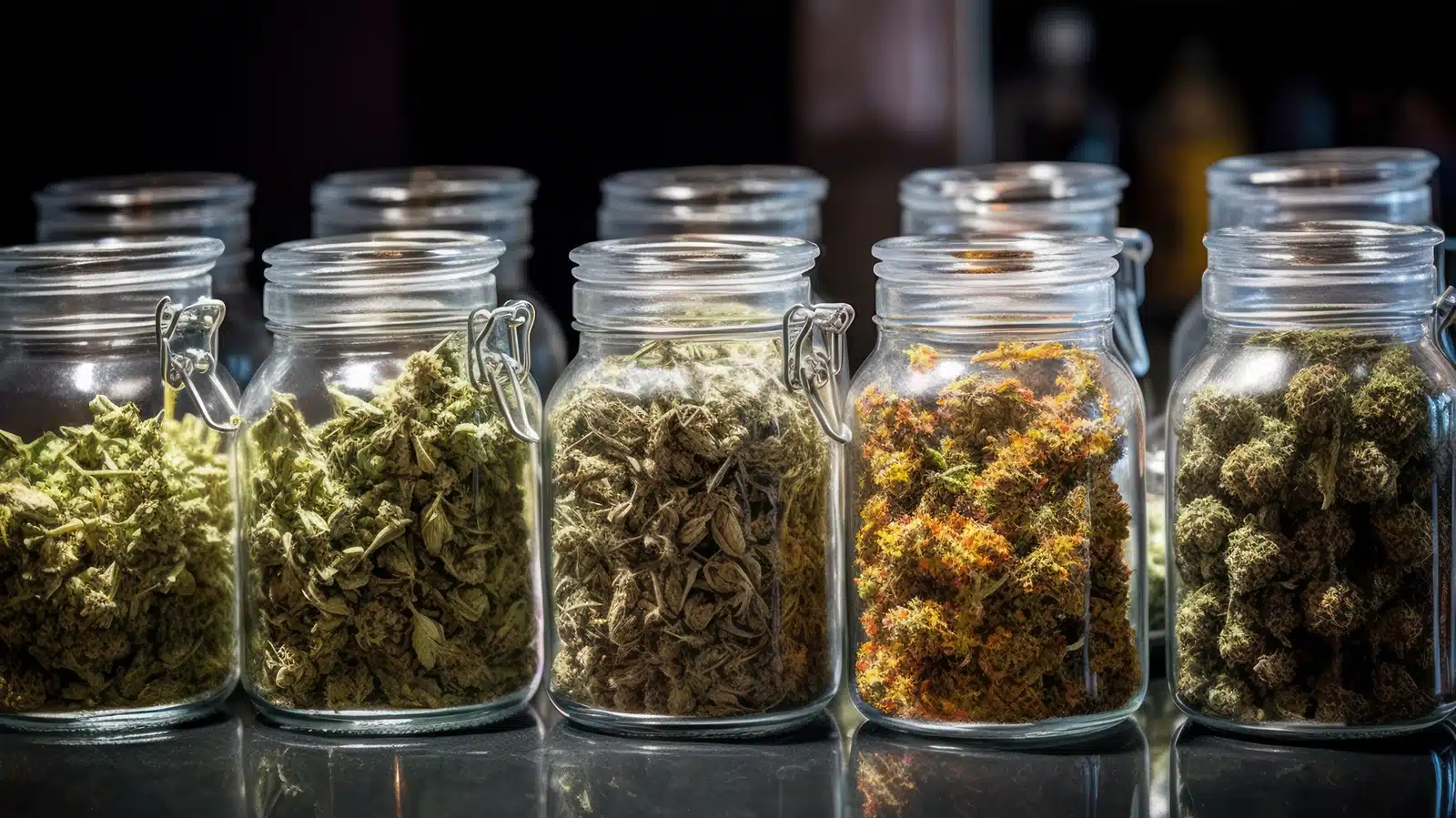

- Dabs are small amounts of cannabis concentrates that contain high THC levels, also known as weed dabs.
- A weed dab is made by pouring butane over marijuana to allow the THC to leave the marijuana plant and dissolve into the butane.
- A dab rig, containing a water pipe, dome, torch, and nail, is used for people to vaporize cannabis concentrates.
- Dabs are widely used in cannabis culture because of their high THC levels and the increased effects they offer.
- Using dabs can cause side effects like dizziness, vomiting, poor balance, and anxiety.
- Some signs that someone may be dabbing include bloodshot eyes, secretive behavior, and otherwise unexplained sleep problems.
- Dabbing can lead to respiratory problems, mental health issues, and an increased tolerance for the drug, ultimately leading to substance use disorder.
Weed dabs are highly concentrated marijuana products that are made using a butane extraction process. They contain higher levels of THC (tetrahydrocannabinol), the active compound found in cannabis, than are found in other forms of marijuana. [1] THC is responsible for the high that people feel when they smoke marijuana.
The high potency of dabs is what makes them so dangerous. When people use dabs, they experience a different kind of high with more intense effects, and the chance of developing an addiction increases.[2] Dabbing has become increasingly popular due to its effects, and comes with concerning health risks.[3]
Dabs are small amounts of cannabis extracts that are extremely potent because of the high THC levels they contain. People use marijuana dabs by vaporizing the concentrates on a hot surface and inhaling the fumes that this process creates. [4] The dabs are typically sticky in texture and have a dark brown or yellow coloring.
Weed Dab Meaning, Cannabis Concentrates, and How They’re Made
A weed dab is typically made using butane that is poured over the marijuana, allowing THC to leave the plant and dissolve into the butane.[5] The butane and THC solution gets pressed through a filter and is then placed in a dish or tray.
A dab rig is used to smoke the substance, and this setup includes a specialized water pipe, a dome, a torch, and a nail usually made of titanium, quartz, or ceramic.[6]
The torch heats the nail until it reaches extremely high temperatures, and a small amount of cannabis concentrate made from the butane process is then placed onto the hot nail. As the concentrate makes contact with the hot surface, it begins to vaporize. People then use a water pipe to inhale the vapor and elicit a euphoric high.
How Potent are Dabs?
Dabs contain very high THC levels. THC concentrations in dabs can range from 60% to 90%. [7] Some extremely potent concentrates can have more than 90%. The THC levels can vary based on the product and brand. To put it in perspective, unaltered marijuana only has a THC content of 15-20%.
Types of Weed Dabs
Dabs come in several forms, including shatter, budder, wax, and live resin. The texture and consistency of a dab can vary based on how the cannabis is extracted and processed. Butane hash oil (BHO) is one type of cannabis concentrate made using butane as a solvent and can be processed into different forms, including wax and shatter. Other concentrates, such as live resin, are made from fresh or frozen cannabis plant material to preserve more of the plant’s natural compounds.
Below are common types:
- Wax: A semi-solid concentrate with a yellowish color
- Budder: A smooth, creamy concentrate with a golden color and signature texture
- Shatter: A brittle, glassy concentrate that easily breaks into pieces
- Live Resin: A highly aromatic concentrate made from fresh or frozen cannabis plant matter
All of these types of dabs contain a higher THC concentration than regular marijuana.
How are Weed Dabs Different from Marijuana?
Besides the difference in THC level, there are other factors that differentiate dabs from marijuana. Marijuana is a dried and cured cannabis plant.[8] It is also typically smoked and ingested. When smoked, the effects can be felt in minutes. When ingested by taking edibles, it can take a little longer to get high.
While marijuana is a plant, dabs are concentrated cannabis extracts that come in different forms. Dabs are vaporized rather than smoked. It takes 5-10 seconds for THC to reach the brain producing a fast acting high with effects felt within minutes.[9] Because the concentrate is stronger, smaller amounts are usually needed, and some people view dabbing as more efficient than smoking cannabis flower.

How Are Dabs Used?
Dabs are popular in the cannabis community because they are highly potent, concentrated forms of cannabis. The high has a rapid onset.[10] This can be appealing for people who want a quick high.
Many people like dabbing because the concentrate form requires smaller amounts of cannabis to get high. This can be seen as an easier and cheaper way to get high for people who want to stretch their supply.
If people want variety in their cannabis supply, dabbing allows them to experiment with different types of concentrates, including differences in terpene profiles, other cannabinoids, and cannabinoid content shaped by cannabis plants. This includes taste and smell profiles. The variety leads to different experiences that people in the cannabis culture enjoy.
Potential Risks and Effects of Dabbing
The strong THC content of dabs brings serious side effects and health risks. Emergency room visits related to dabbing have increased in recent years. For some users, dabbing dangerous levels of THC can cause negative effects, and the method also carries significant risks.
Side Effects of Dabbing
When people use dabs, they can experience many different side effects, including: [11]
- Rapid heartbeat
- Dizziness
- Fainting
- Anxiety
- Poor balance
- Slurred speech
- Vomiting
- Trouble learning
- Memory problems
Health Risks of Dabbing
For cannabis users, the health risks of dabbing can have serious short-term and long-term consequences because it delivers highly concentrated THC. [12]
- Respiratory Problems: When the nail is heated in the dabbing process, it can produce potentially harmful byproducts and release residual solvents and other contaminants. These vapors can lead to respiratory system irritation. Frequent and heavy use can cause breathing problems.
- Increased Tolerance: If someone is dabbing regularly, it can lead to an increased THC tolerance. People may crave larger amounts of cannabis to get the same effect.
- Psychological Effects: Because the high from dabbing comes on so quickly and is so intense, it can be overwhelming for some people. Anxiety, depression, panic attacks, and paranoia are common effects, and these potent products can also be habit-forming.
People with a family history of serious mental illnesses such as bipolar disorder and schizophrenia should avoid dabs because of the mental health risks they pose, a broader public health concern around high-THC concentrates.[13]
Legal Issues
There are also legal implications of using dabs, even in places where marijuana use is permitted. Fines or arrest can be possible depending on the laws where you live.
How Can I Tell Someone is Dabbing?
People will show physical, social, and behavioral signs that could signal they are dabbing.
Physical Signs
When someone is dabbing and using marijuana, you may notice these changes: [14]
- Bloodshot eyes
- Dry or cotton-mouth
- Intense food cravings
- Rapid heart rate
- Increased blood pressure
Social Signs
People may change the way they act, and withdraw from spending time with family and friends if they are dabbing. These are other social signs:
- Secretive behavior
- New friends who use drugs
- Decreased interest in hobbies
Behavioral Changes
A person may change the way they act when they are using marijuana and weed dabs. These behavioral changes can include:
- Trouble falling asleep or sleeping too much
- Poor academic or work performance
- Weight loss or gain as a result of altered eating habits
- Lack of motivation
In addition to the behavioral, social, and physical red flags, there are other things that can signal someone is dabbing. If you find drug paraphernalia such as torches or containers, you may want to investigate. Any strong odors are also a red flag because dabs have a distinct, pungent odor. This is usually described as a skunky smell.
Staying vigilant of these signs can help detect a drug problem earlier so that treatment can be found.
Seeking Help for a Marijuana Addiction
If you or a loved one has an addiction to marijuana, help is available. Explore early treatment options to help with addiction.
Frequently Asked Questions About Weed Dabs
 To guarantee that all of our information is accurate, we ensure that all our sources are reputable. That means every source is authenticated and verified to be backed only by medical science.
Epiphany Wellness Editorial Guidelines
At Epiphany Wellness, we take your health and wellness seriously. We have a thorough process in place to ensure the integrity of information that is displayed on our website. All content published to our site undergoes a rigorous medical review by a doctorate level clinician to ensure medical accuracy.
Read More About Our Process
Schedule a Free and Confidential Consultation with Epiphany Wellness
 609-710-9423
 info@epiphanywellness.com