


Meloxicam and Alcohol: Side Effects, Drug Interactions, and Safe Alternatives to Consider


Dr. Robert Thompson
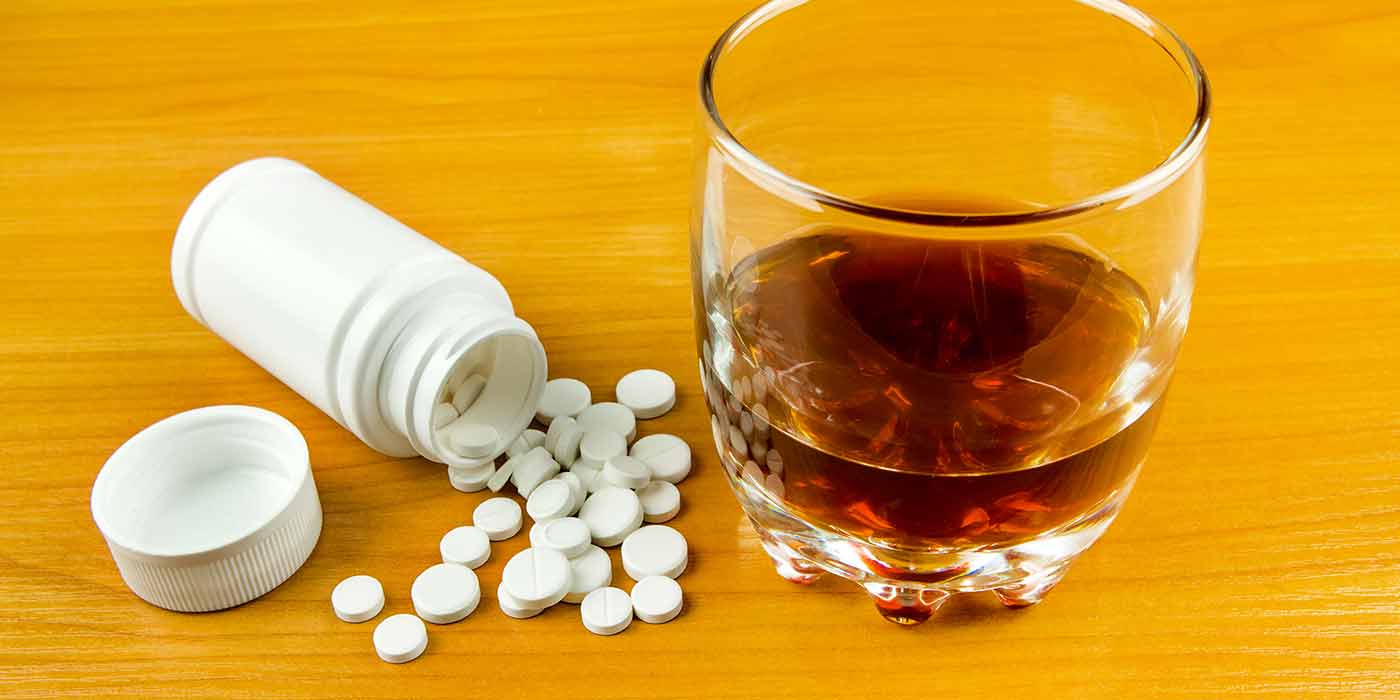

- Meloxicam is a prescribed non-steroidal anti-inflammatory (NSAID) which helps to reduce the pain and inflammation caused by arthritic conditions and related disorders.
- Consuming alcohol while using meloxicam can lead to increased risk of stomach irritation, stomach ulcers and gastrointestinal bleeding.
- Older adults, individuals suffering from liver disease or kidney disease, hypertension, congestive heart failure, and/or a history of stomach ulcers may experience a heightened risk of gastrointestinal complications when they consume alcohol while taking meloxicam.
- Meloxicam can react with a variety of prescription medications, including blood thinners, certain antidepressants, corticosteroids, aspirin, and other NSAIDs, including ibuprofen and naproxen.
- Since there is no universally accepted “safe” amount of time to wait after consuming meloxicam before resuming alcoholic consumption, consult your doctor or pharmacist for personalized advice.
Many people who suffer from joint pain due to arthritic conditions or other inflammatory diseases take meloxicam and may wonder whether consuming alcoholic beverages will significantly raise their risk of complications.
To minimize potential interactions or adverse reactions between meloxicam and alcohol, simply refrain from consuming them together unless instructed that it is safe by your healthcare provider. While alcohol will likely not interfere with meloxicam’s effectiveness as an analgesic, the primary concern is that alcohol may increase the likelihood of developing more dangerous side effects from meloxicam. Specifically, these dangers include potentially life-threatening stomach bleeds, stomach ulcers, blood pressure fluctuations, kidney damage, or other health complications.
What Is Meloxicam?
Meloxicam is a type of prescription medication known as a non-steroidal anti-inflammatory drug (NSAID). As an NSAID, meloxicam functions by blocking enzymes involved in inflammation and pain signaling, which helps reduce inflammation and pain. Meloxicam was approved by the U.S. Food and Drug Administration (FDA) for treating signs and symptoms of rheumatoid arthritis, osteoarthritis, and juvenile rheumatoid arthritis in certain patients [1].
In addition to its brand name, Mobic, meloxicam is a prescription NSAID. Unlike over-the-counter (OTC) products containing ibuprofen or naproxen, meloxicam is usually administered orally as a tablet once daily, and only upon physician recommendation.
Similar to other NSAIDs, meloxicam is effective for managing various types of pain and inflammation. Nonetheless, meloxicam, similar to other NSAIDs, carries significant side effect risks. According to the FDA-required prescribing information for meloxicam, NSAIDs are associated with an elevated risk of serious cardiovascular events (heart attack or stroke), as well as serious gastrointestinal events (bleeding, ulceration, perforation of the stomach or intestine) [2].
Is It Safe to Mix Meloxicam and Alcohol?
As previously stated, alcohol can irritate the lining of the stomach. Similarly, NSAIDs can irritate the stomach lining as well as contribute to the development of gastric ulcers and gastrointestinal bleeding. Therefore, when combining alcohol and NSAID use, the risk of developing gastrointestinal bleeding is further amplified.
According to the labeling of meloxicam, alcohol use is listed among the factors that enhance the risk of gastrointestinal bleeding in patients undergoing treatment with NSAIDs [3]. Due to this reason, healthcare providers commonly advise against consuming alcohol while taking meloxicam.
Additionally, the National Institute on Alcohol Abuse and Alcoholism also advises that the use of NSAIDs (ibuprofen, naproxen, aspirin) can elevate the risk of gastrointestinal bleeding independently of each medication. Furthermore, alcohol can exacerbate any risks associated with medication use [4]. Because meloxicam falls into the category of NSAIDs, clinical relevance exists regardless of whether each interaction guide includes meloxicam individually.
Meloxicam Interactions With Alcohol: Potential Consequences
The extent to which risks exist when combining meloxicam and alcohol depends on several variables:
- How frequently or how much you drink
- The dose(s) you are taking
- How long you have been taking meloxicam
- Whether or not you have other health issues
- Whether or not you are taking other medications concurrently with meloxicam
Potential consequences of mixing meloxicam and alcohol may include:
- Stomach pain
- Heartburn
- Gastritis
- Stomach ulcers
- Stomach bleeding
- Gastrointestinal bleeding
- Nausea
- Vomiting blood
- Black or tarry stools
- Elevated blood pressure
- Worsened kidney function problems
- Exacerbated liver disease issues in people who regularly consume large amounts of alcohol
- Increased risk of combination therapy with anticoagulants or blood thinners or certain antidepressants
You may experience additional side effects if you choose to consume alcohol while taking meloxicam. Most common side effects experienced by users of meloxicam (e.g., stomach discomfort, diarrhea, nausea, headache) are likely to be exacerbated if you are intoxicated.

Severe Side Effects Requiring Immediate Medical Attention
Please contact a healthcare provider or go to urgent care immediately if you develop:
- Severe stomach pain
- Severe chest pain
- Shortness of breath
- Sudden weakness
- Swelling
- Hives
- Vomiting blood
- Vomit that looks like coffee grounds
- Black or tarry stool
Which Populations Are at Greater Risk for Serious Adverse Reactions From Combining Meloxicam and Alcohol?
While anyone may be at greater risk for experiencing adverse reactions due to the combination of meloxicam and alcohol, several populations are more susceptible to experiencing serious adverse reactions.
Specifically:
- Individuals with a history of gastrointestinal bleeding or stomach ulcers
- Heavy, regular, or binge drinkers
- Older adults
- Those taking blood thinners, corticosteroids, or selective serotonin reuptake inhibitors (SSRIs)
- Users of other NSAIDs such as ibuprofen or naproxen
- Patients with chronic renal or kidney disease
- Patients with liver disease
- Hypertensive patients
- Heart failure patients or those with cardiovascular disease
- Smokers
- Poor general health status
- Long-term use of meloxicam
Prescribing information for meloxicam lists factors which increase gastrointestinal bleeding risk, including longer duration of NSAID use, oral steroids or corticosteroids, aspirin, anticoagulants, SSRIs, smoking history, poor overall health status, and alcohol consumption [5].
Therefore, individualized medical advice is essential. One patient may be advised to abstain entirely from alcohol while taking meloxicam. Another patient may be provided alternative guidelines based on their dose, frequency, prescription duration, health status, comorbidities, and other medications they currently use.
When Can I Drink After Taking Meloxicam?
There is no universally established safe timeframe during which drinking alcohol would be considered acceptable after taking meloxicam.
Since meloxicam is generally administered orally in a once-daily dosage form, it possesses a relatively prolonged half-life relative to many medications. Consequently, it is possible that the medication may remain active within the body for a considerable amount of time following ingestion of each dose [6]. Thus, if you administer it once daily, it is unlikely there will be a measurable interval during which the medication has cleared from your system prior to receiving the next dose.
The safest course of action would be to consult your prescribing healthcare provider or pharmacist prior to resuming alcoholic beverages following dosing with meloxicam.
If you were advised not to consume alcoholic beverages during meloxicam administration, follow their recommendations.
If you already consumed alcoholic beverages after administering meloxicam, avoid taking additional doses until further instructions have been provided by a clinician. Additionally, do not add other over-the-counter products containing pain relievers such as ibuprofen or naproxen unless otherwise directed by a clinician. Finally, monitor yourself for signs and symptoms indicative of stomach damage, including abdominal pain, vomiting blood, tarry stool, chest pain, shortness of breath, weakness, lightheadedness, dizziness, etc.
Minimizing the Risks of Meloxicam and Alcohol
To reduce the risks associated with using both:
- Abstain from drinking alcoholic beverages while taking meloxicam unless you receive specific clearance from your healthcare provider.
- Follow your prescription directions carefully.
- Do not take more than one dose per day.
- Do not combine meloxicam with any other type of NSAID product (unless approved by your doctor).
- Request approval before adding other types of pain relievers or over-the-counter medications to your regimen.
- Notify your healthcare provider if you currently use blood thinners, anticoagulants, corticosteroids, depression medications, etc.
- Immediately report abdominal pain, heartburn, vomiting blood, tarry stools, chest pain, shortness of breath, unusual fatigue, etc.
If you feel unable to stop drinking while on meloxicam, perhaps it may be worth exploring why you find it difficult to cease drinking.
Alcohol dependency doesn’t always show up as a stereotypical image. A person can have a job, family, and many responsibilities and yet be suffering from an alcohol dependency problem.
Some signs that there might be a need for alcohol dependency assistance would include:
- Drinking more than was initially planned.
- Attempting to reduce consumption without success.
- Using alcohol to relax, fall asleep, or feel “normal.”
- Continuing to consume alcohol even though told not to by a physician.
- Combining alcohol with prescription medicine even though it causes unwanted side effects.
- Hiding the frequency and quantity consumed.
- Feeling anxious or uneasy when unable to obtain access to alcohol.
- Family members and friends express concern regarding excessive alcohol usage.
- Excessive alcohol consumption affects health, employment, or relationship(s).
Alcohol use disorder is a medically treatable disease. There are evidence-based treatments for alcohol use disorders, which can include counseling, prescribed medication, relapse prevention education, peer support groups, mental health services, and/or a structured treatment program [7].
Navigating Alcohol Use and Medication Safety with Epiphany Wellness
Epiphany Wellness provides individualized treatment for people struggling with alcohol use and co-occurring mental health concerns.
For someone concerned about alcohol use while taking meloxicam, treatment can begin with a personalized intake assessment that considers physical health, mental health, substance use, and individual treatment needs. Epiphany Wellness also provides information about meloxicam and can help clients address alcohol-related concerns as part of a broader recovery plan.
If alcohol use has become difficult to control or you are concerned about drinking while taking meloxicam, speaking with the admissions team can help identify an appropriate treatment plan and level of care.
Frequently Asked Questions Regarding Meloxicam and Alcohol Use
Are you or a loved one struggling with Adderall® addiction?

Schedule a Free and Confidential Consultation with Epiphany Wellness
 609-710-9423
 info@epiphanywellness.com