


How Long Does Alcohol Stay in Your System? What To Know


- The liver metabolizes alcohol at a steady rate of roughly one drink every hour, though this can vary from person to person.
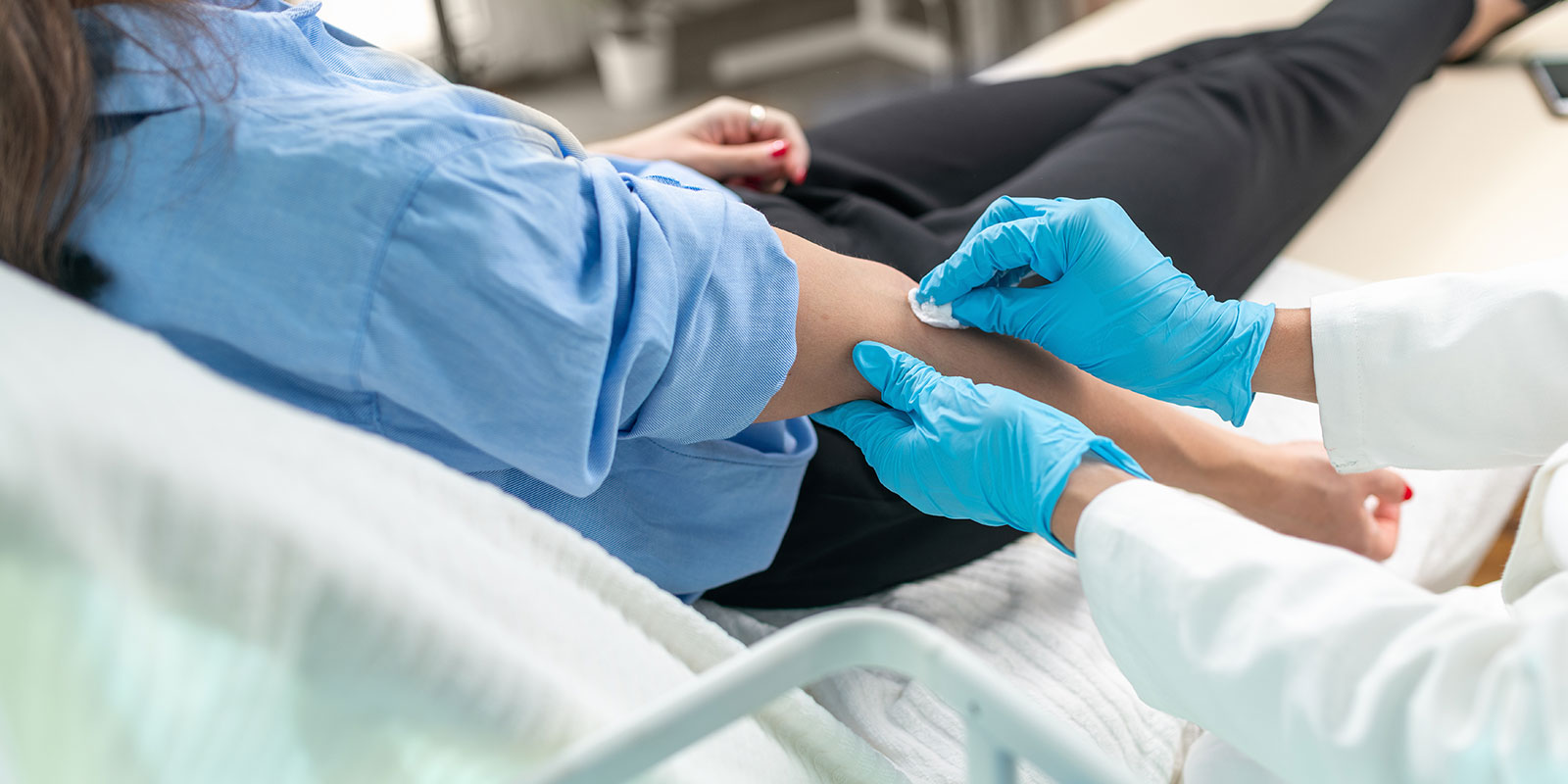
- Alcohol is detectable in a person’s blood for about 6 to 12 hours, in their urine around 12 to 24 hours, and in their breath and saliva several hours after their last drink.
- Ethyl glucuronide (EtG) urine testing is a special form of urine testing that can detect alcohol use for up to three to four days after a person’s last drink.
- Hair follicle testing has by far the largest detection period, with alcohol use detected in hair samples for up to 90 days.
- A variety of factors, including body weight, biological sex, liver function, metabolism, and how much and how quickly someone drinks, affect how long alcohol remains in the body.
Whether you are concerned about an upcoming drug screening test, curious after a previous night out, or just interested in learning more about your own drinking habits, knowing how long alcohol is detectable in your body is worth knowing.
Below we’ll walk you through how alcohol is processed by your body, the different tests that are available for detecting it, and what factors can determine how long your body takes to clear it.
How Does the Body Process Alcohol?
When someone drinks alcohol, it enters the bloodstream and is primarily absorbed by the stomach and small intestine; then, the liver is largely responsible for breaking it down.[1]
An enzyme called alcohol dehydrogenase breaks down ethanol, turning it first into acetaldehyde, a toxic byproduct that is converted into acetate with a second enzyme called aldehyde dehydrogenase, before it’s eliminated from the body.[2]
This breakdown process happens at a fairly consistent rate, around one standard drink per hour, though this is an average, not a set rule and it should not be used to estimate when you can safely drive home or otherwise assume there is no alcohol in your body.[3] A standard drink is defined as approximately 14 grams of pure alcohol. This would be comparable to a 12-ounce beer, a 5-ounce glass of wine, or a 1.5-ounce shot of liquor. All contain approximately equal amounts of ethanol, even though they look completely different in a glass.
How Long Does Alcohol Stay in Your Blood?
Blood alcohol concentration (BAC) typically declines at a rate of 0.015 to 0.02 percent per hour.[4]
This means that alcohol will generally be detectable in a standard blood test for approximately 6 to 12 hours after the last drink, though that window can extend longer after heavy drinking or binge drinking, since these activities lead to more alcohol for the body to process.
How Long Does Alcohol Stay in Your Urine?
This depends on which type of urine test is being used.
Standard urine testing can detect alcohol for around 12 to 24 hours after the last drink.
However, a more specialized test looking for ethyl glucuronide (EtG), which is a direct metabolite of alcohol, can detect alcohol use for much longer than that window, typically 3 to 4 days after the last drink, and sometimes longer in cases of heavy or prolonged drinking.[5] EtG testing is often used in situations requiring stricter monitoring, such as certain legal, workplace, or treatment settings.
How Long Can a Breathalyzer Detect Alcohol?
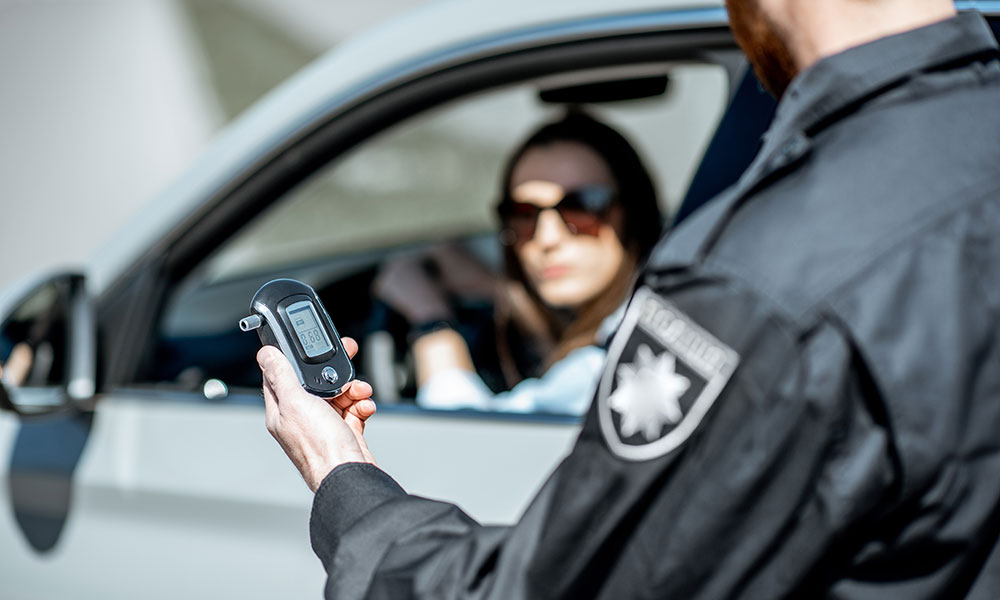
Breath tests estimate blood alcohol concentration by measuring alcohol in exhaled breath. They are most useful while alcohol is still being metabolized and can detect alcohol for several hours after drinking, with longer detection times following heavier alcohol consumption.[6]
One reason breath testing devices are so popular is that they are quick and do not require invasive methods. However, breath testing only indicates current usage within the last day or two, rather than detecting past use from days or weeks earlier.
How Long Does Alcohol Stay in Hair and Saliva?
Saliva tests are primarily used to identify recent alcohol consumption, with a detection window generally lasting only a few hours after drinking, depending on the amount of alcohol consumed.[7]
Hair follicle testing works completely differently, and it has by far the longest detection window of any alcohol test. By analyzing a hair sample for EtG, this test can detect alcohol for up to 90 days.[8] Hair testing is more useful for identifying longer-term drinking patterns and not for confirming a single recent drink.
What Factors Affect How Long Alcohol Stays in Your System?
The following are several factors that contribute to how quickly alcohol is processed by the body:
- Body Water: Because alcohol is distributed through fluid within your body, people who have more fluid tend to reach a lower peak blood-alcohol concentration (BAC) when consuming the same amount of alcohol.
- Biological Sex: This affects how rapidly and efficiently the body can process alcohol due to differences in body composition and enzymatic activity between males and females.
- Liver Health: Liver disease or damage impairs its efficiency in metabolizing alcohol, so the timeframe in which alcohol remains detectable may increase.
- Genetics: Genetic variation among people influences the production of alcohol dehydrogenase and, in turn, how alcohol is metabolized.
- Metabolic Rate: Everyone has a unique metabolism that determines how quickly their body processes substances.
- Food Intake: Drinking on an empty stomach speeds up alcohol absorption and heightens peak BAC, despite possibly having no effect on the final elimination rate of alcohol from the body.
- Amount and Speed of Consumption: Drinking large quantities of alcohol in a short amount of time overwhelms the liver’s ability to continually metabolize it and prolongs its presence in the body.
Does the Type of Drink Matter? Beer, Wine, and Liquor Compared
There seems to be widespread interest in whether there’s a significant difference in the amount of time required for beer, wine, or liquor to clear from the body.
The honest answer is that it’s really about the amount of alcohol consumed, not the type of beverage.[9] Where many people get themselves into trouble is failing to accurately estimate how much pure alcohol is in each drink, because an exceptionally large glass of wine or a strong mixed cocktail can easily contain more than one standard drink’s worth of pure alcohol.
When Should You Be Concerned About Alcohol Use?
While understanding detection periods provides valuable knowledge, it might be beneficial to step back and understand why this is important to you.
If you are concerned about how long alcoholic beverages remain detectable, worried about being tested, or realizing that your own consumption has grown increasingly difficult to manage, this might represent symptoms of an issue related to an alcohol use disorder and not simply a logistics question.
Heavy or frequent consumption also poses genuine risks to health, such as increased risk of liver disease, certain types of cancers, cardiovascular disease, and alcohol poisoning during episodes of binge drinking.[10]
Support Beyond the Numbers
If part of why you’re reading this is because you’re worried about failing a test, whether it’s for a job, a custody arrangement, or something else that matters to you, that worry is worth paying attention to and could mean that alcohol has taken up more room in your life than it should.
Epiphany Wellness provides evidence-based alcohol detoxification and alcohol addiction services at our facilities located in New Jersey, Tennessee, and Massachusetts, with both inpatient and outpatient services available based on your needs. Reach out today to see how we can help you with the next right step.
Frequently Asked Questions About How Long Alcohol Stays in Your System
Are you or a loved one struggling with Alcohol abuse?

Schedule a Free and Confidential Consultation with Epiphany Wellness
 609-710-9423
 info@epiphanywellness.com