


Cymbalta and Alcohol: What You Need to Know Before You Drink


Dr. Faith A. Coleman, M.D.
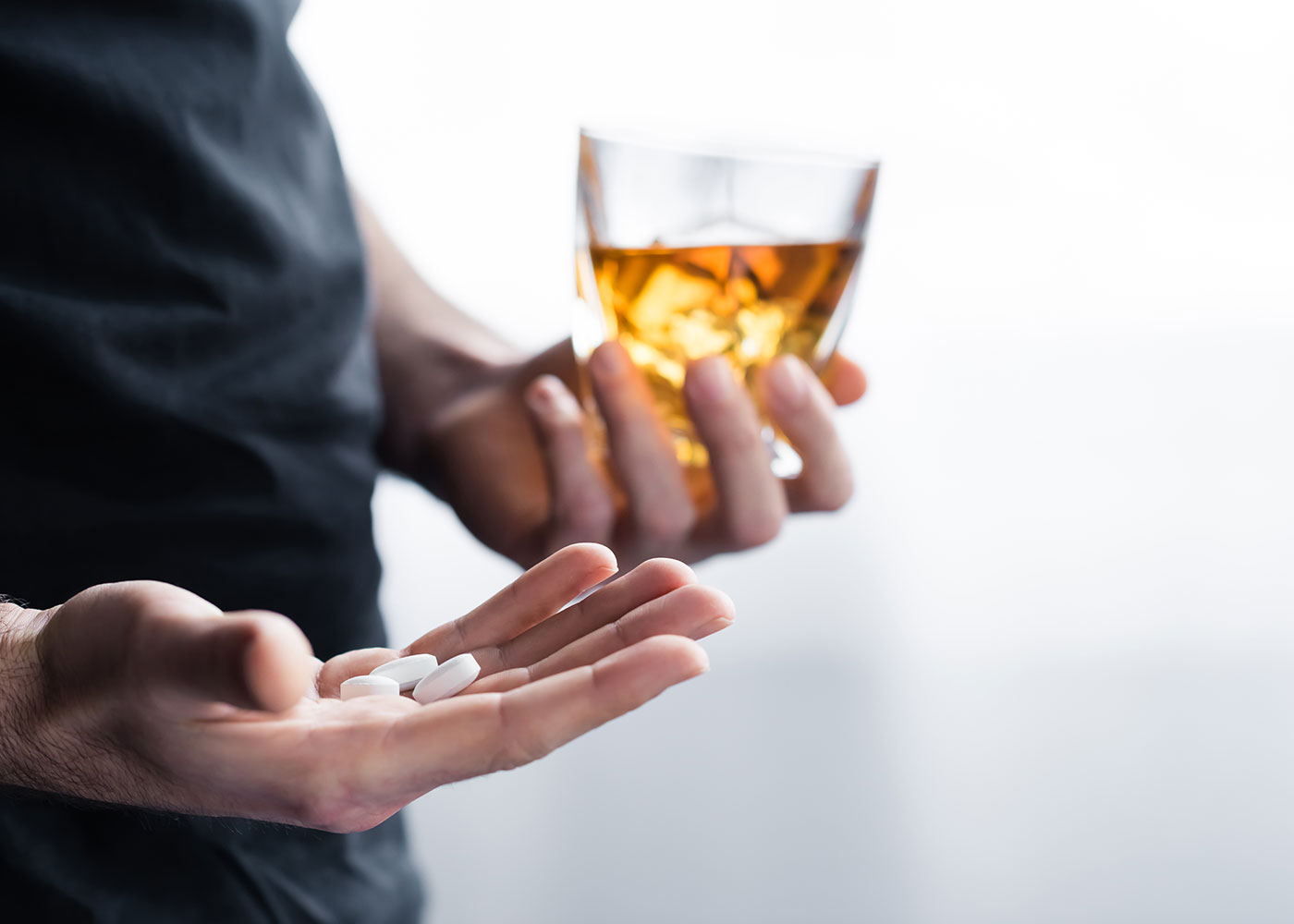

- Cymbalta (duloxetine) is an SNRI (serotonin-norepinephrine reuptake inhibitor), a type of antidepressant that works by increasing levels of serotonin and norepinephrine in the brain. It’s used to treat major depressive disorder, generalized anxiety disorder, chronic pain, and other conditions.
- Mixing alcohol with duloxetine will intensify side effects such as drowsiness, dizziness, and impaired judgment.
- Both alcohol and duloxetine affect the central nervous system (CNS), and combining them can worsen symptoms of depression and anxiety.
- Drinking with duloxetine greatly increases the risk of liver damage, especially for those consuming large amounts of alcohol or those who have existing liver disease.
- The FDA advises that alcohol consumption should be avoided while taking duloxetine. There is no established safe amount of alcohol you can drink while on duloxetine; even occasional drinking carries risk.
This article is for education. It is not medical advice. This information is not a substitute for care by a licensed healthcare provider.
Cymbalta is the brand name for the drug duloxetine, an antidepressant SNRI (serotonin-norepinephrine reuptake inhibitor) working to increase the levels of serotonin and norepinephrine in the brain, two neurotransmitters involved in the regulation of mood, pain signals, and emotional well-being.[1] Duloxetine has been approved by the FDA for various conditions, including major depressive disorder, generalized anxiety disorder, diabetic peripheral neuropathy, fibromyalgia, and chronic musculoskeletal pain. The broad range of uses approved by the FDA has made duloxetine one of the most widely prescribed medications today.
Like most antidepressants, duloxetine has a number of moderate to severe side effects that can occur, even if the user is taking it as directed. Side effects of duloxetine can include nausea, dry mouth, weight gain, high blood pressure, and dizziness, all of which can be exacerbated when used together with alcohol.[2]
How Cymbalta and Alcohol Interact
Duloxetine and alcohol both act on the central nervous system. Duloxetine works to regulate mood and pain signals by influencing neurotransmitter activity, while alcohol acts as a depressant, slowing brain activity and impairing cognitive and motor function. When taken together, these combined substances can create unpredictable side effects that can lead to dangerous situations. According to the FDA, duloxetine and heavy alcohol use can lead to liver injury.[3] Because of this, the FDA advises that alcohol should not be used while taking duloxetine and that the drug should not be prescribed to patients with a history of heavy alcohol use.
Studies have shown that alcohol can also interfere with how antidepressants function.[4] Drinking while on duloxetine will decrease the effectiveness of the medication and could increase the severity of depression and anxiety symptoms. If you are managing a mental health condition, this interaction may set you back significantly in your recovery.
Cymbalta and Alcohol Side Effects
When taking duloxetine with alcohol, you may experience a number of negative side effects, some of which can be very serious. If you are considering drinking while on duloxetine, it is key to understand the potential side effects this could cause.
Increased Sedation and Impairment
One of the most noticeable side effects of taking duloxetine with alcohol is increased sedation. Both of these substances on their own cause sedation. Taking both together can intensify the sedating effects, which can make activities like driving or operating machinery very dangerous.
In addition to the sedation, your cognitive function may be impaired. People who have mixed duloxetine and alcohol report impaired judgment, reduced reaction time, and a lack of focus, even with only a moderate amount of alcohol.
Worsening Mental Health Symptoms
Alcohol is a depressant and can directly worsen mental health symptoms of depression and anxiety, which duloxetine is meant to correct. Based on findings published by the National Institute on Alcohol Abuse and Alcoholism, alcohol use and mood or anxiety disorders frequently co-occur, creating a cycle that is difficult to overcome without support.[5]
Drinking alcohol while using duloxetine may also increase the risk of suicidal ideation, particularly for teens and young adults. The FDA has mandated that all antidepressants include a black box warning regarding this risk.[6]
Liver Damage
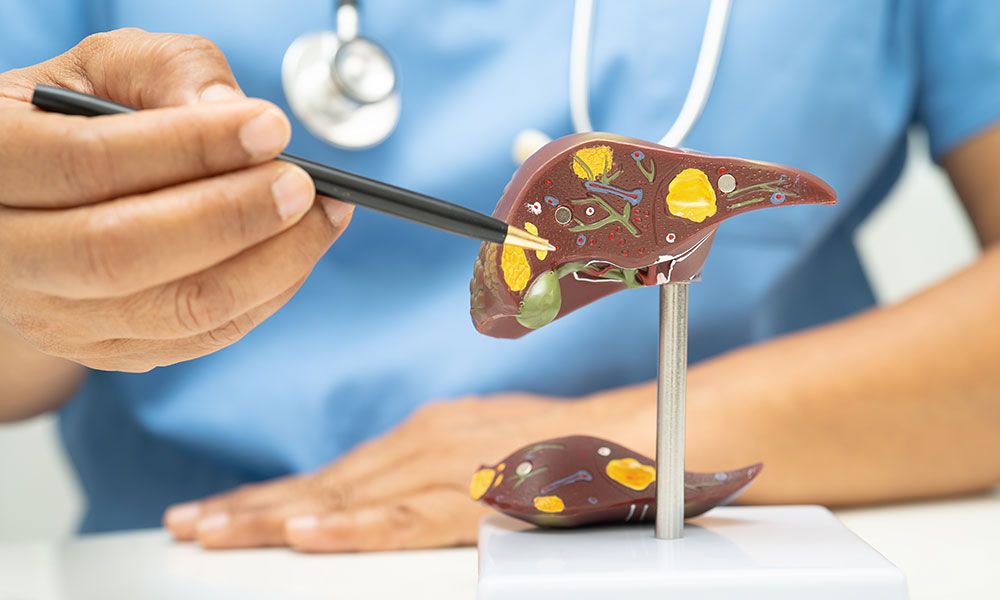
One of the most serious long-term risks of mixing alcohol and duloxetine is potential liver damage. Because both alcohol and duloxetine are metabolized by the liver, taking both substances together puts additional strain on it, leading to a higher probability of developing liver disease or, in severe cases, liver failure.
Warning signs of liver damage include yellowing skin or eyes (jaundice), dark-colored urine, upper right abdominal pain, and unusual fatigue. Anyone experiencing these symptoms should immediately seek medical attention.
If you already have liver disease, the risk of mixing duloxetine with alcohol is even higher, and you should discuss your history with your healthcare provider before taking it.
Can You Drink Occasionally on Cymbalta?
This is perhaps one of the most common questions people ask when they are prescribed Cymbalta. The answer is that there is currently no safe amount of alcohol that you can drink while taking duloxetine. Even occasional drinking carries risk, including increased side effects and a negative effect on how the medication works. Most healthcare providers, and the FDA, recommend that you avoid alcohol completely while using duloxetine.[7]
The information in this article is not a substitute for medical advice. If you are still unsure of your situation, speak with your doctor.
The Connection Between Alcohol Use and Antidepressant Treatment
It is important to note that many people who are prescribed antidepressants like duloxetine have complicated relationships with alcohol. Many people with depression or anxiety turn to alcohol to ease emotional distress. Alcohol use disorders commonly co-occur with either depression or anxiety, and the combination tends to make treatment less effective and could lead to a decline in overall mental health.
According to information provided by the Substance Abuse and Mental Health Services Administration (SAMHSA), it is recommended that integrated care be used for patients with co-occurring mental health and substance use problems.[8] If alcohol use is preventing you from effectively adhering to your treatment plan or if you are unable to reduce or stop your drinking, speaking with a healthcare provider about treatment options is an important next step.
Getting Help for Alcohol Use While on Cymbalta
If you are taking duloxetine but find it difficult to stop drinking, you are not alone. But support is available.
Dual diagnosis treatment programs that address both mental health and substance use offer therapies to help clients identify and change negative thought patterns and behaviors and regulate difficult emotions. These evidence-based approaches help people understand the connection between their substance use and mental health, develop healthier coping strategies, and build a foundation for lasting recovery.
Reaching out to a healthcare professional, a treatment center, or a trusted person in your life is the best step you can take for your health. At Epiphany Wellness, we offer compassionate, evidence-based care for individuals navigating both mental health and alcohol addiction challenges. If you or someone you care about is ready to take that step, our team is here to help. Contact Epiphany Wellness today to learn more about our programs and find the support you deserve.
Frequently Asked Questions
Are you or a loved one struggling with Alcohol abuse?

Schedule a Free and Confidential Consultation with Epiphany Wellness
 609-710-9423
 info@epiphanywellness.com