


Ambien and Alcohol: Why You Shouldn’t Have Both


Dr. Po Chang Hsu MD, MS
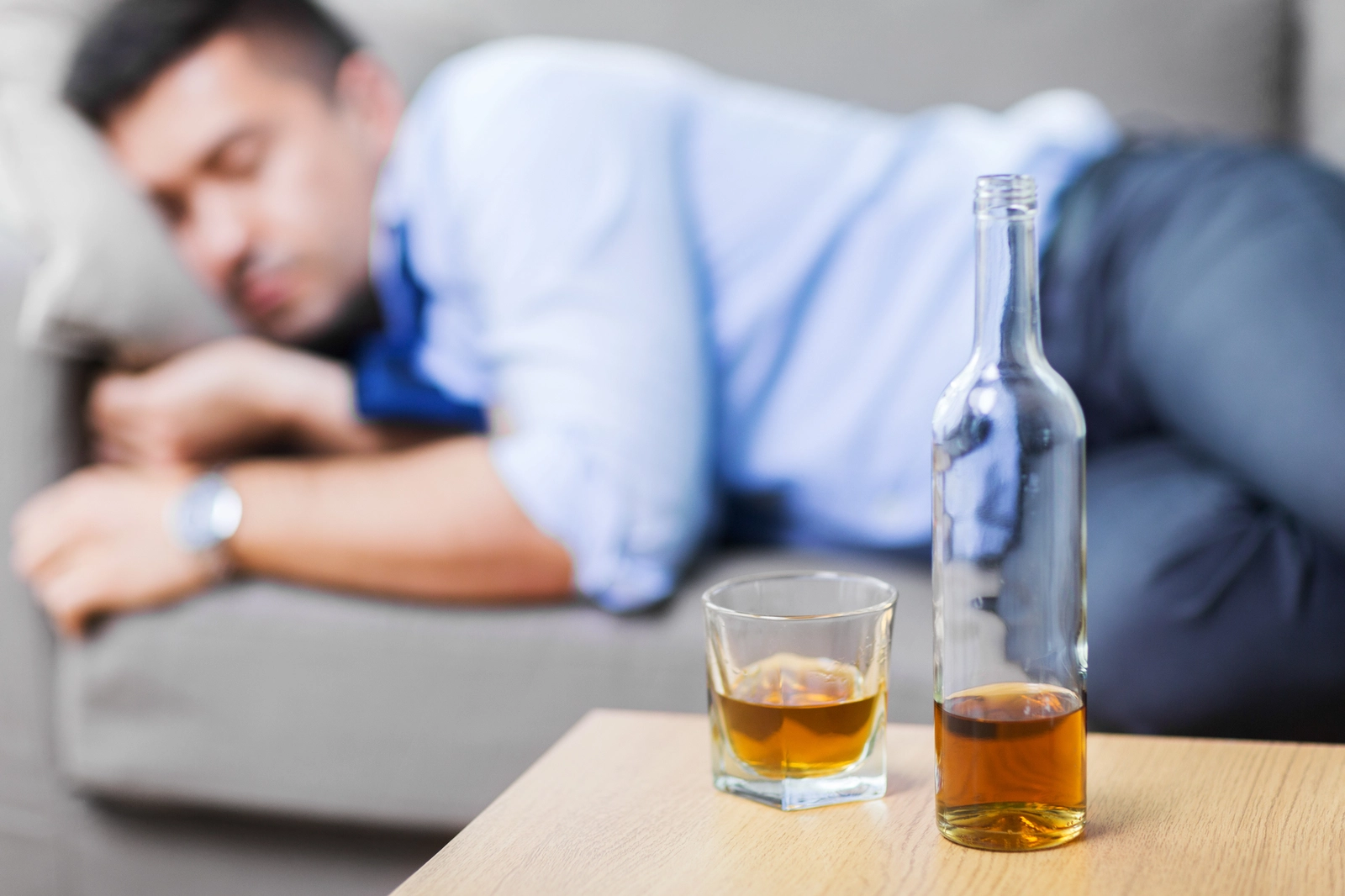

- Why Ambien and alcohol are dangerous to combine, even when Ambien is taken as prescribed.
- How mixing Ambien and alcohol affects the central nervous system, breathing, coordination, memory, and judgment.
- Why alcohol can increase the risk of complex sleep behaviors, including sleep driving and sleep eating.
- What warning signs may point to Ambien overdose, alcohol poisoning, or respiratory depression.
- When repeated alcohol Ambien use may signal Ambien misuse, alcohol addiction, or a substance use disorder.
- How medical detox and addiction treatment can support safer withdrawal, sleep recovery, and long-term recovery.
How Ambien Works and Why Alcohol Changes the Risk
Ambien is the brand name for zolpidem, a prescription sleep medication used short term to treat sleep disorders involving trouble falling asleep. Ambien and Ambien CR belong to a group of sedative hypnotics often called Z-drugs. These medications promote sleep by affecting GABA receptors, which help slow nervous system activity in the brain and central nervous system.[1]
Alcohol also depresses the central nervous system. When someone drinks alcohol while taking Ambien, the sedative effects can add up instead of staying separate. This drug interaction can make a prescribed dose feel much stronger and less predictable.
That is why taking Ambien with alcohol is different from simply feeling extra sleepy. Mixing Ambien and alcohol can increase:
- Excessive drowsiness
- Cognitive impairment
- Poor coordination
- Memory blackouts
- Slowed reaction time
- Breathing problems
- Dangerous complex sleep behaviors
The FDA warns that alcohol should not be used before or while taking Z-drugs such as zolpidem because the combination may increase side effects.[2]
Ambien CR may carry additional concerns because it is an extended-release version. It is designed to help a person fall asleep and stay asleep, which means sedative effects can last longer into the night. If alcohol is also in the body, impairment may continue longer than expected.
Why People Mix Ambien and Alcohol
People mix Ambien and alcohol for different reasons, but the pattern is always risky. Some people drink alcohol in the evening and then take Ambien because they still cannot sleep. Others may take Ambien first, feel anxious when they do not fall asleep quickly, and then drink alcohol to “help it work.” Some may misuse both Ambien and alcohol because they are chasing stronger sedative effects or trying to escape stress, anxiety, trauma, or other mental health concerns.
This does not mean every person who combines alcohol and Ambien is intentionally misusing addictive substances. Sometimes the issue starts with poor sleep, limited education about drug interactions, or the belief that alcohol is just another sleep aid. But alcohol does not create restful sleep. It can disrupt sleep quality and worsen sleep problems over time.
The danger is that both Ambien and alcohol can affect judgment. After taking Ambien, a person may not think clearly enough to make safe decisions about drinking, driving, taking more medication, or using other substances. If someone repeatedly mixes alcohol Ambien combinations despite negative effects, that may point to Ambien misuse, alcohol addiction, Ambien dependency, or a broader substance use disorder that needs support.
Complex Sleep Behaviors: Sleep Driving, Sleep Eating, and Blackouts
One of the most concerning risks of Ambien is complex sleep behaviors. These are activities a person may do while not fully awake, often with little or no memory later. The FDA has required a boxed warning for zolpidem and other Z-drugs because rare but serious injuries and deaths have happened during complex sleep behaviors.[3]
Complex sleep behaviors may include:
- Sleepwalking
- Sleep driving
- Sleep eating
- Making phone calls
- Having conversations
- Leaving the home
- Preparing food
- Engaging in unsafe activities with no clear memory afterward
Mixing alcohol can make these behaviors more dangerous because alcohol increases sedation, poor coordination, impaired judgment, and memory problems. Someone may drive, fall, take too much Ambien, drink more alcohol, or use other substances without fully understanding what they are doing.
If you or someone you love has had sleep driving, sleep eating, blackouts, or unusual behavior after taking Ambien, avoid Ambien until you speak with a healthcare provider. FDA safety information advises that healthcare professionals should not prescribe zolpidem to patients who have previously experienced complex sleep behaviors after taking the medication.
Breathing Risks, Ambien Overdose, and When to Call 911
The dangers of mixing Ambien and alcohol become especially serious when breathing slows. Ambien and alcohol can both depress brain activity and the respiratory system. When taken together, the risk of excessive sedation, slow breathing, respiratory depression, loss of consciousness, and overdose can increase.[4]
Ambien overdose risk may be higher when someone takes too much Ambien, drinks too much alcohol, takes Ambien with opioids or benzodiazepines, or combines multiple substances. The Ambien prescribing information warns that using zolpidem with other central nervous system depressants can increase CNS depression, and use with opioids may increase respiratory depression risk.
Call 911 or seek immediate assistance if someone who used alcohol and Ambien has:
- Slow breathing or trouble breathing
- Blue, pale, or clammy skin
- Extreme confusion
- Loss of consciousness
- Inability to stay awake
- Vomiting while very sedated
- Weak pulse
- Severe dizziness or fainting
- Signs of an Ambien overdose
- Signs of alcohol poisoning
Do not let the person “sleep it off.” If breathing becomes too slow or irregular, the situation can become life threatening.
When Ambien and Alcohol Use Points to a Need for Treatment
Mixing alcohol and Ambien once may happen because someone did not understand the risks. Repeatedly mixing alcohol and Ambien despite consequences is more concerning. It may suggest chemical dependence, Ambien addiction, alcohol addiction, substance abuse, or difficulty managing sleep and mental health without sedating substances.
Warning signs that treatment may help include:
- Taking Ambien in higher doses than prescribed
- Drinking alcohol on nights when you take Ambien
- Feeling unable to sleep without alcohol, Ambien, or both
- Using other sleep aids or other substances with Ambien
- Memory blackouts after taking Ambien
- Sleep driving, sleep eating, or unusual nighttime behavior
- Running out of Ambien early
- Trying to quit Ambien or alcohol and experiencing withdrawal symptoms
- Continuing use despite relationship, work, health, or safety problems
Withdrawal symptoms can happen when someone stops Ambien or alcohol after regular use. Alcohol withdrawal can be medically dangerous, and Ambien withdrawal can cause rebound insomnia, anxiety, cravings, agitation, and other symptoms. Medical detox may be needed when someone is dependent on alcohol, Ambien, or multiple substances.
Getting Help for Alcohol and Ambien Addiction
If mixing Ambien and alcohol has become part of your routine, you do not have to wait for an overdose or medical emergency before asking for help. Evidence-based care tailored to your needs can address alcohol addiction, Ambien addiction, sleep problems, mental health concerns, and long-term recovery together.
At Epiphany Wellness, we help people understand the connection between substance use, sleep disorders, prescription medication misuse, and mental health. Our team can help you begin treatment, explore medical detox when needed, and build a plan for lifelong recovery.
Reach out to us today. Our confidential admissions team is ready to help you take the next step.
Frequently-Asked Questions About Ambien and Alcohol
Are you or a loved one struggling with Alcohol abuse?

Schedule a Free and Confidential Consultation with Epiphany Wellness
 609-710-9423
 info@epiphanywellness.com