Evidence-Based Massachusetts Rehab Center Supporting Every Stage of Recovery
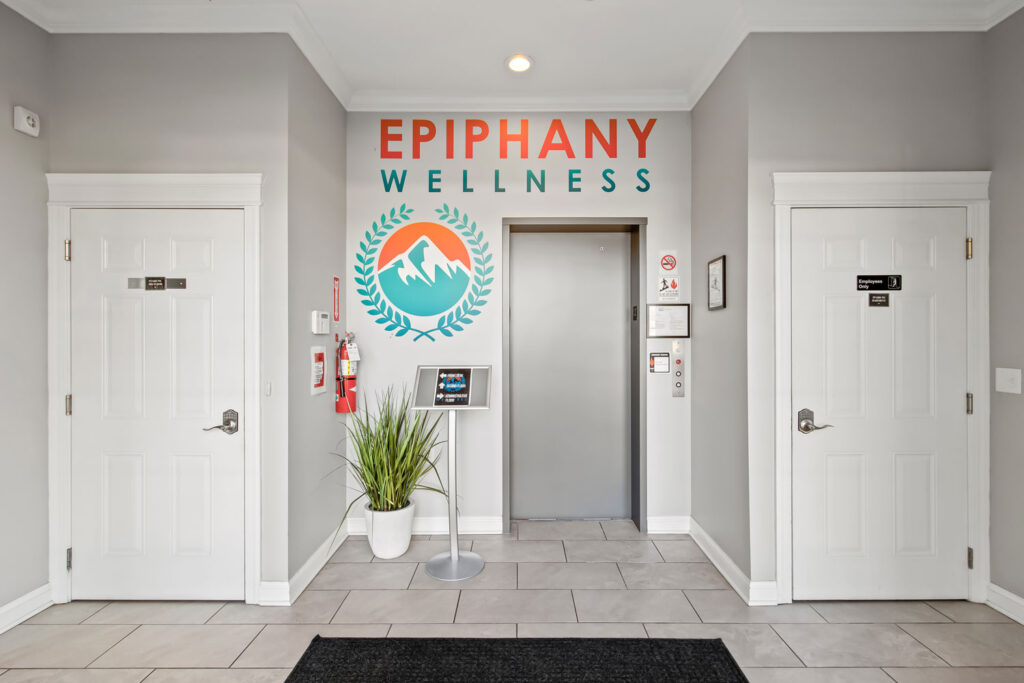
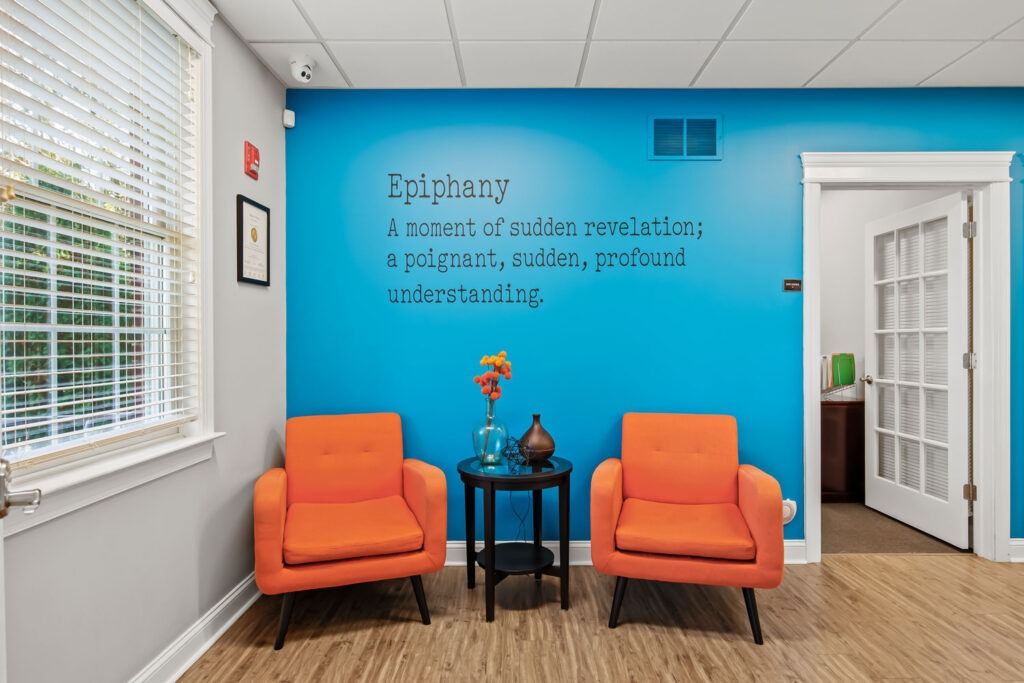
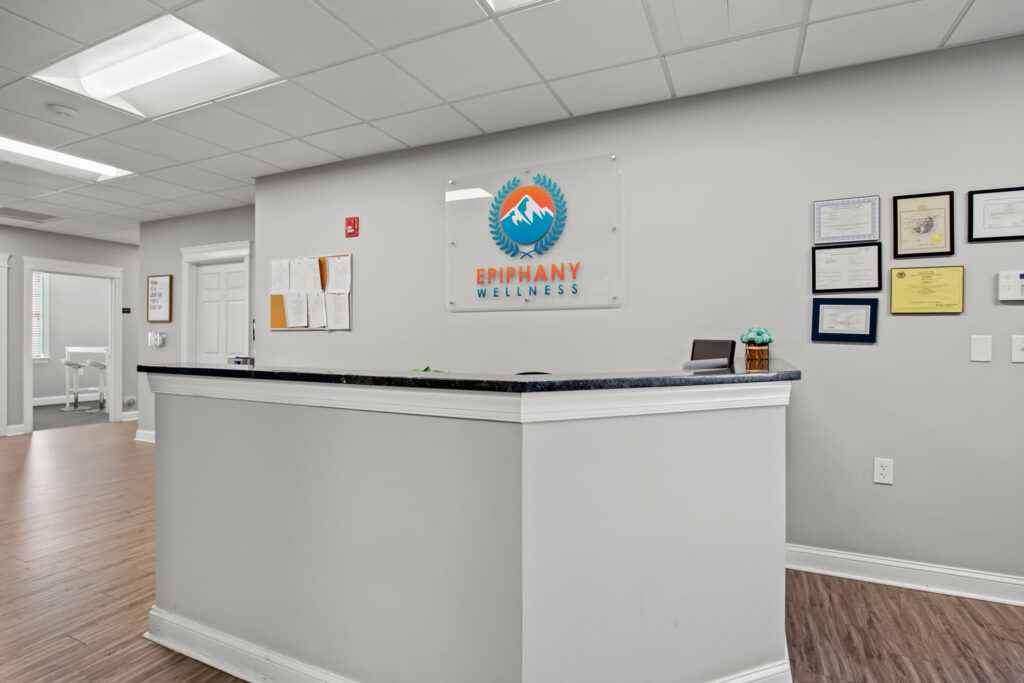
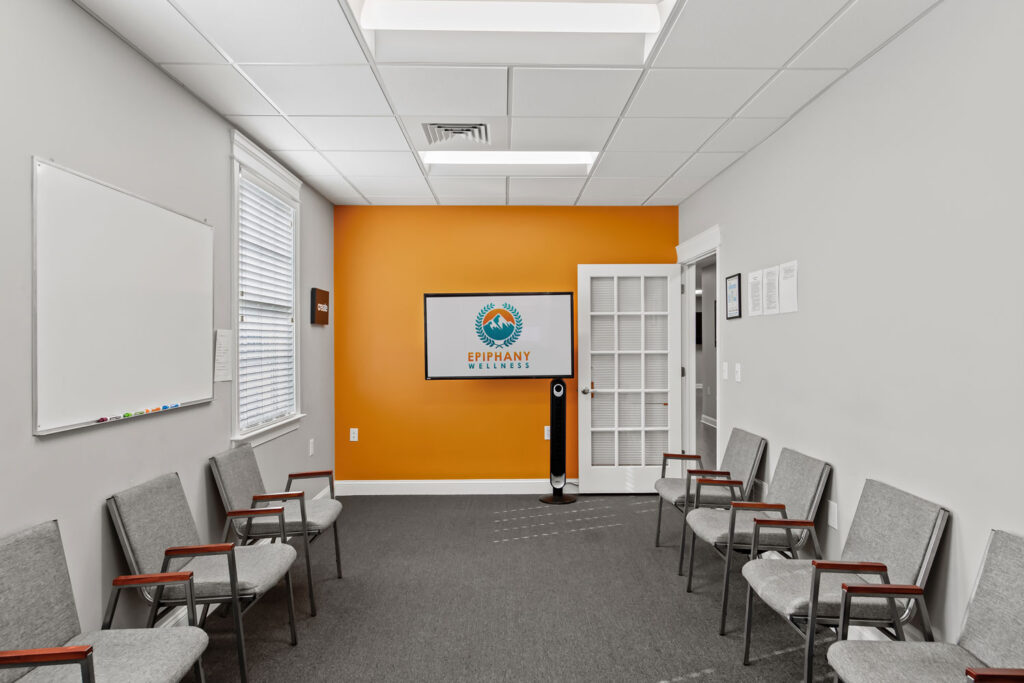
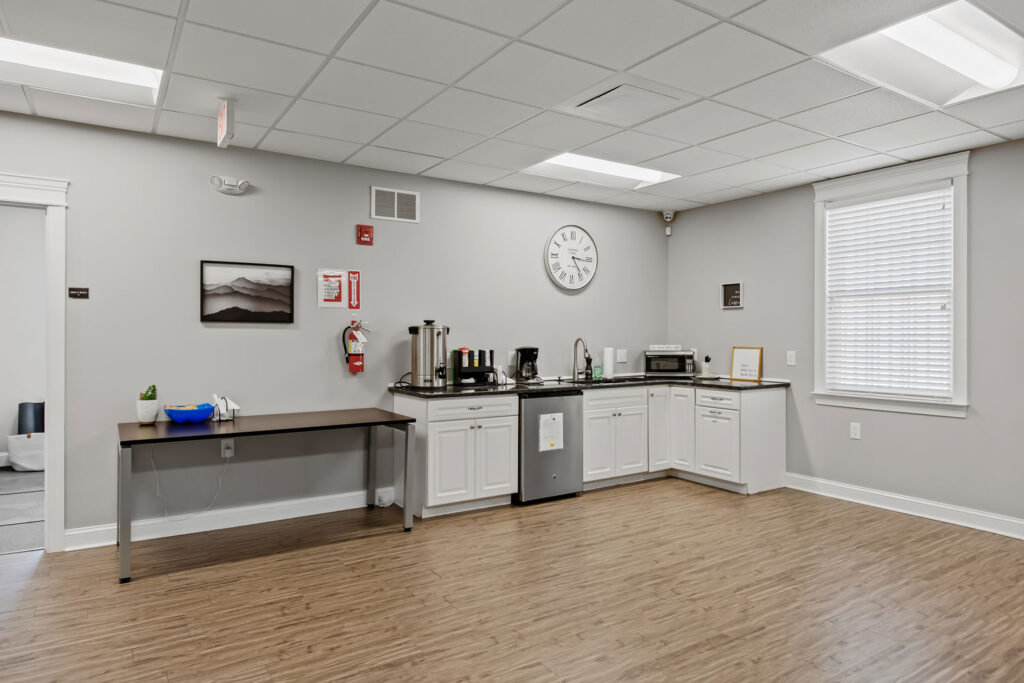
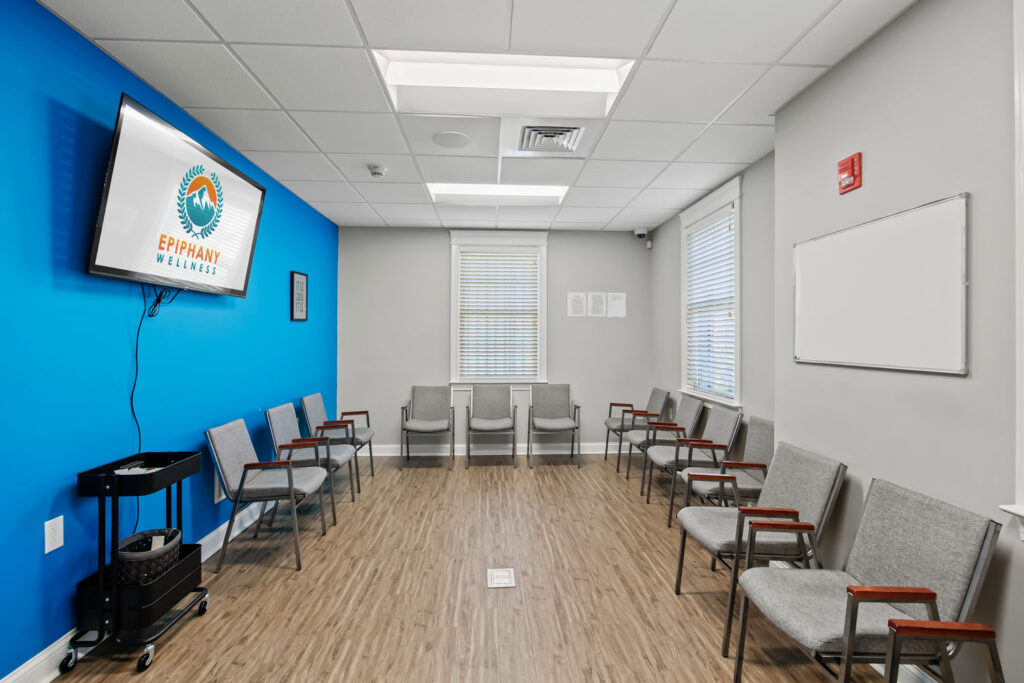
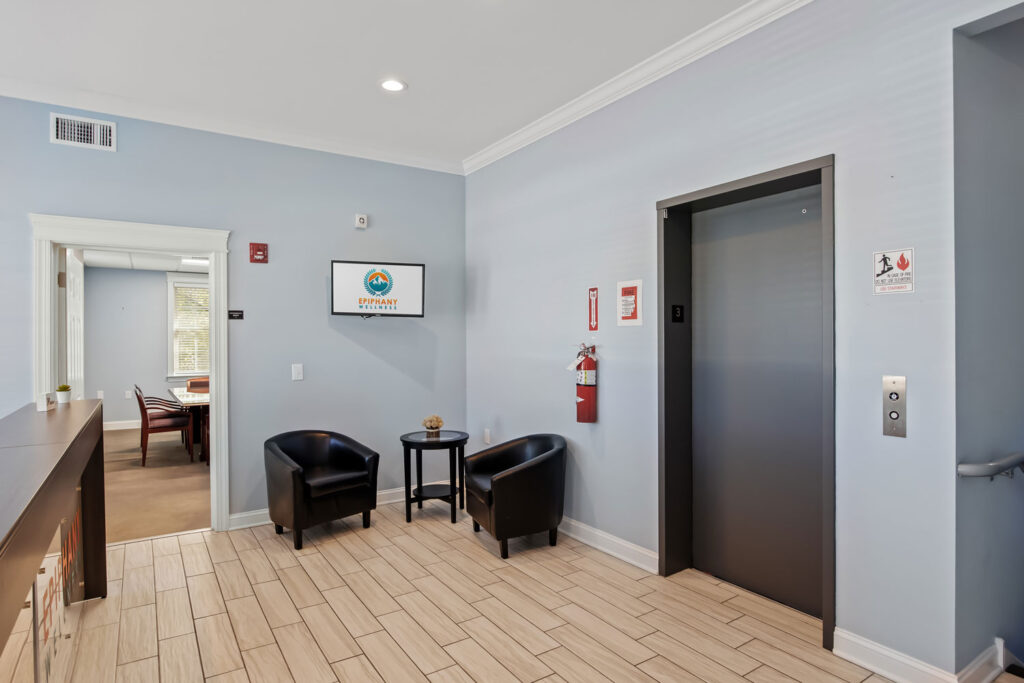
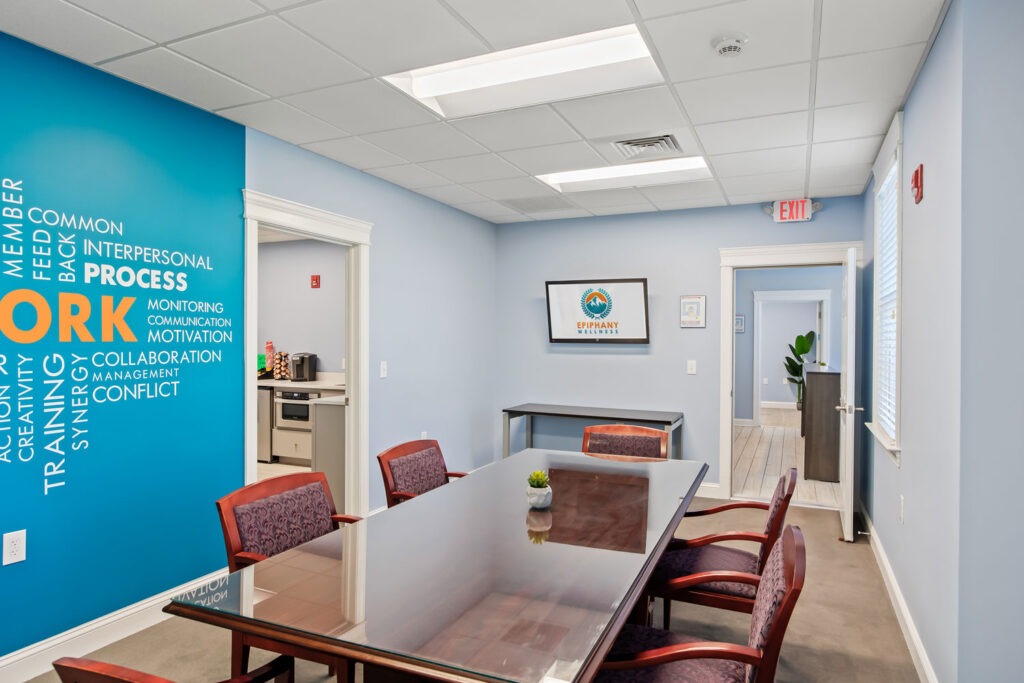
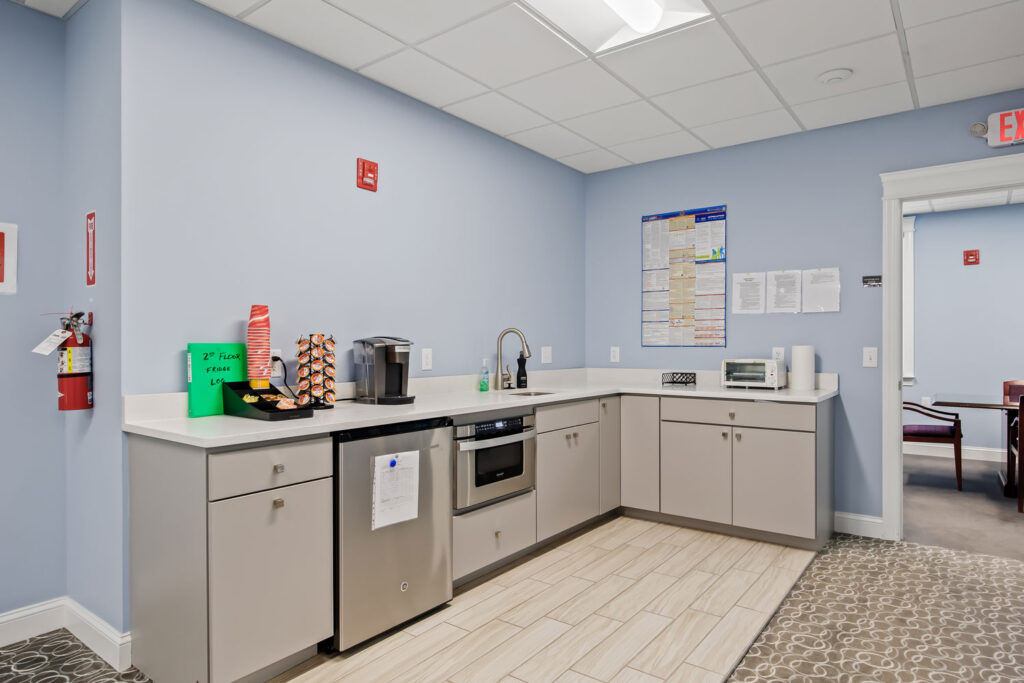
Epiphany Wellness Massachusetts provides full outpatient substance use and mental health treatment in a friendly, suburban setting just thirty minutes west of Boston. Our facility provides a safe haven for those suffering from addiction where the individual and their families have access to understanding and professional support, as well as evidence-based care that leads to long-lasting change. We understand that reaching out for help can be an extremely vulnerable and frightening time, so our staff has made every effort to ensure that our location feels more like “home” than a clinical setting. Our warm environment and comfortable spaces, combined with a team that cares deeply about your wellness, allows us to provide a foundation for transformation and healing.
Epiphany Massachusetts Drug & Alcohol Rehab
257 Turnpike Rd, Suite 200
Southborough, MA
01772
In Massachusetts, the substance use crisis continues to impact communities across the Commonwealth.
The stats mentioned above are not just numbers. They represent our friends, family members, coworkers and fellow community members who deserve access to quality care. At Epiphany Wellness in Massachusetts, we are dedicated to solving this crisis through personalized, evidence-based care designed to treat the whole person.
At our facility located in Massachusetts, we offer expert treatment for individuals suffering from numerous substance use disorders and other mental health issues affecting quality of life and wellbeing. Our services treat individuals suffering from addiction to alcohol, opioids, cocaine, benzodiazepines, stimulants, and many other mind-altering substances that are preventing them from living their lives to the fullest. We also recognize that addiction is different for everyone, and therefore, we modify our treatment plan to fit the needs of each individual.
In addition to substance use disorders, our Massachusetts location offers dual diagnosis treatment for co-occurring mental health disorders. As a facility licensed to treat individuals with both primary substance use disorders and primary mental health disorders, you will receive integrated care from professionals who have a solid understanding of the ways in which these conditions interact with each other and the impact of these interactions.
Our multidisciplinary team is comprised of primary clinicians, master-level therapists, registered nurses, a psychiatric advanced practice nurse, a medical director, behavioral health technicians, and group facilitators who work together to ensure that every aspect of your health is addressed through your treatment. Your treatment begins with your first contact with our admissions team and continues until you have completed your treatment program. The care you receive throughout your treatment process emphasizes your dignity, acknowledges your unique situation, and focuses on your path to wellness.
At Epiphany Wellness Massachusetts, we work with most major insurance providers – including AmeriHealth, Anthem Blue Cross Blue Shield, CareFirst, Cigna, Horizon, and UMR. Our admissions team verifies your insurance benefits, explains coverage options, and ensures you can begin recovery with confidence.

Our Accreditations
Why Choose Epiphany Wellness Massachusetts
Treatment Options at Epiphany Wellness
Rational Emotive Behavior Therapy operates on the principle that our emotional responses stem largely from our beliefs about events rather than the events themselves. REBT helps you examine the belief systems that perpetuate emotional distress and self-destructive behaviors, including substance use. Our therapists guide you in identifying irrational beliefs, such as demands that life should be fair, that you must have others’ approval, or that discomfort is intolerable, and disputing these beliefs logically. Through this process, you develop more flexible, rational thinking patterns that reduce emotional volatility and the urge to use substances for relief.
Acceptance and Commitment Therapy represents a shift from trying to control or eliminate uncomfortable thoughts and feelings to accepting their presence while pursuing valued actions. Our clinicians use ACT to help you develop the ability to be present with difficult internal experiences without acting on urges to use substances. Rather than teaching you to fight cravings or anxiety, ACT helps you observe these experiences with curiosity rather than judgment. You’ll identify your core values and commit to actions that move you toward the life you want to live, even when that journey involves discomfort. This values-based approach provides intrinsic motivation for recovery that extends beyond simply avoiding consequences, helping you build a life that naturally supports sobriety.
CBT is supported by years of research demonstrating its effectiveness for treating substance use and mental health issues. CBT recognizes that thinking patterns, feelings, and behaviors are interrelated and create a cycle that continues addiction and mental health problems. The goal of CBT is to help you understand the cycle of addiction and mental health symptoms by working with your therapist to identify negative thoughts, explore the evidence for and against these thoughts, and develop more rational and realistic thinking patterns. Additionally, CBT includes a variety of behavioral interventions to address substance use, including scheduling activities, exposure to feared situations, and developing skills to manage situations that put you at risk of substance use.
Experiential therapy uses activities to allow for a range of feelings and experiences through which you can gain insight into your situation, engage in emotional practice, and develop as a person. Activities offered at Epiphany Wellness in Massachusetts include art therapy, drumming circles, and other hands-on experiences to engage the body, mind, heart, and spirit. These activities often provide access to deeper emotional truths, which can bypass defense mechanisms and be particularly beneficial for individuals who have found it challenging to verbalize their experiences or have undergone trauma.
Addiction is often felt throughout a family system. Family therapy creates a safe space for everyone to talk about how addiction has affected them, express emotions that may have been suppressed or ignored, and to begin the process of healing their family systems. Families are encouraged to set boundaries to ensure both they and their family members’ recoveries are met through healthy interactions. Our therapists recognize that your support system significantly influences long-term outcomes, and we’re invested in helping your family understand their role in supporting your recovery while also addressing their own needs and healing.
Knowledge can also empower you toward recovery. Psychoeducation groups provide an understanding of the neurobiological, psychological, and socio-cultural aspects of substance use, the chronic disease model of addiction, connections between trauma and addiction, and info about the recovery process. Being educated about how our brain’s reward systems have been manipulated by substances, the limited effectiveness of willpower alone in overcoming addiction, and knowing what to expect during various stages of recovery can help lessen feelings of shame or guilt associated with addiction and will provide you with the context you need to better understand yourself and your experiences. Additionally, psychoeducation groups will help teach you valuable skills, such as identifying triggers, developing a relapse prevention plan, managing stress without relying on substances, and establishing healthy routines.
The path from active addiction to lasting recovery begins with a single decision to seek help, and that moment is now. You’ve learned about what Epiphany Wellness in Massachusetts offers, our approach, and are considering whether treatment might be right for you or your loved one. Now it’s time to move from contemplation to action.
Our team understands that making this call requires courage, and we’re prepared to meet you with the compassion and professionalism you deserve. Contact us today through our confidential helpline or online contact form. Our admissions coordinators are ready to listen to your story, answer your questions honestly, and help you take the first step toward the life you want to live. Recovery isn’t just possible, it’s happening for people every day at our Massachusetts facility. Let us show you how it can happen for you.
Treatment costs depend on several factors, including your level of care, treatment duration, and insurance coverage. At Epiphany Wellness in Massachusetts, we accept all major private insurance plans, which typically covers a significant portion of treatment costs depending on your specific benefits. Benefits vary widely between insurance plans, so we strongly recommend allowing our admissions team to conduct a thorough verification of your benefits. We’ll explain your coverage, estimated out-of-pocket costs, and payment options clearly before you begin treatment.
For individuals paying privately without using insurance, we offer competitive rates and can discuss payment arrangements. We believe cost concerns shouldn’t be the barrier that prevents someone from receiving life-saving treatment, and we work with each person to explore all available financial options.
Massachusetts faces one of the nation’s most severe opioid crises, with fentanyl-laced substances driving high overdose death rates across the Commonwealth. According to the Massachusetts Department of Public Health, opioid-related deaths have remained persistently high despite public health interventions, with synthetic opioids present in the vast majority of fatal overdoses.[1]
Beyond opioids, alcohol use disorder affects a substantial portion of Massachusetts residents and contributes to numerous health complications, injuries, and deaths annually.[4]
Selecting the right treatment facility requires careful consideration of multiple factors. Begin by assessing what level of care you need based on the severity of your substance use and any previous treatment experiences. Look for facilities with proper licensing and accreditations like The Joint Commission, which indicate adherence to quality and safety standards. Investigate the specific therapies offered and ensure the program provides evidence-based approaches. If you have co-occurring mental health conditions, confirm the facility is licensed and equipped to treat both addiction and mental health together. Consider practical factors like location, schedule flexibility, and whether the facility accepts your insurance or offers affordable private pay options. Read reviews and testimonials from former clients when available. If possible, visit the facility or schedule a phone consultation to get a sense of the staff’s approach and whether the environment feels supportive. Trust your intuition; you should feel respected and hopeful after interacting with the admissions team.
Massachusetts offers numerous high-quality addiction treatment programs, including Epiphany Wellness. The Commonwealth has invested significantly in addressing substance use disorders, expanding access to medication-assisted treatment, and supporting evidence-based programming. Massachusetts requires licensure for substance use treatment facilities, which ensures baseline quality and safety standards. The state is also home to world-renowned medical institutions and has a strong behavioral health workforce. However, treatment quality varies significantly between facilities, making research essential.


[1] Commonwealth of Massachusetts. (2024, June 12). DPH report: Massachusetts opioid-related overdose deaths decreased 10 percent in 2023. Mass.gov. https://www.mass.gov/news/dph-report-massachusetts-opioid-related-overdose-deaths-decreased-10-percent-in-2023
[2] Chapter 55 Data Visualization. (n.d.). Mass.gov. https://chapter55.digital.mass.gov/
[3] Substance use disorder. (n.d.). Massachusetts Center for Health Information and Analysis
https://www.chiamass.gov/substance-use-disorder/
[4] Table 53A Substance Use and Perceptions of great Risk: among people aged 12 or older in Massachusetts; by age group, annual average numbers (in thousands), 2022 and 2023. (2023). https://www.samhsa.gov/data/sites/default/files/reports/rpt56188/2023-nsduh-sae-state-tables_0/2023-nsduh-sae-state-tabs-massachusetts.pdf
If you or someone you love is struggling with addiction or co-occurring mental health challenges, reaching out for help is an act of strength, not weakness. At Epiphany Wellness in Massachusetts, we’ve designed every aspect of our program to honor that courage and support your decision to pursue recovery. From the moment you reach out, you will receive a compassionate, professional response from our treatment team, who is dedicated to your wellbeing.
Do not allow fear or uncertainty to prevent you from taking this very important step. Contact Epiphany Wellness today to speak with our admissions team and learn how our individualized approach can help you reclaim your life from addiction.