


 Medically Reviewed
 Anxiety and Addiction
It is well established that anxiety and substance abuse often co-occur. The fear of losing control, among other psychological and environmental factors, can compel individuals to alleviate those fears by self-medicating with substances such as drugs, prescription painkillers, or alcohol. This self-medication behavior can contribute to the development of co-occurring disorders, where both an anxiety disorder and a substance use disorder are present.
A successful treatment for this condition includes appropriately integrated medical interventions to treat both the anxiety disorder and the substance use disorder. This supports lasting, holistic recovery.


Dr. Erika Steinbrenner, MD
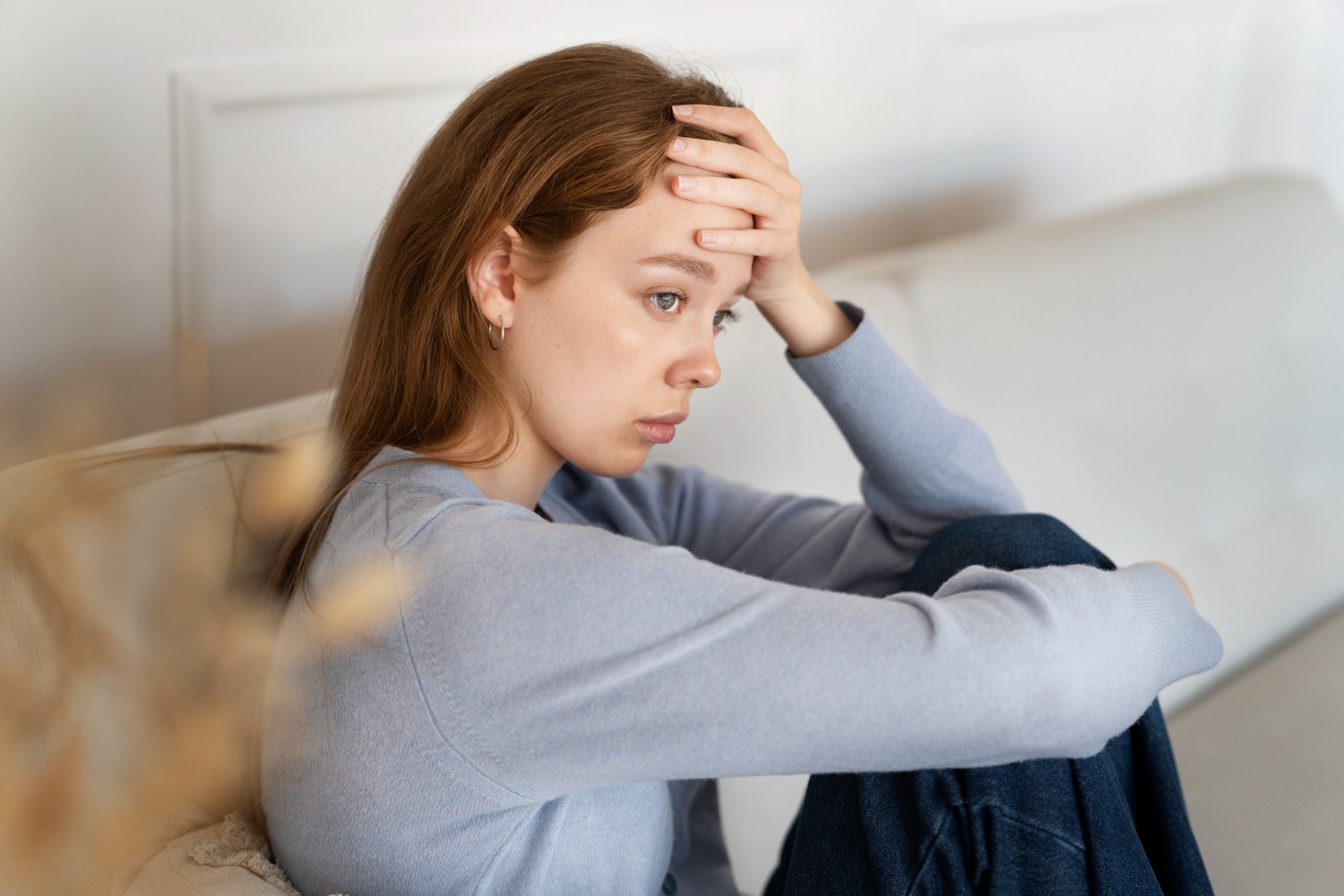

- Anxiety and addiction frequently co-occur, with individuals often using substances like drugs or alcohol to self-medicate, leading to co-occurring disorders.
- Anxiety disorders are characterized by uncontrollable fear and include conditions like generalized anxiety disorder, panic disorder, and social anxiety disorder.
- Effective dual-diagnosis care involves targeted therapies like CBT and ACT across levels of care ranging from detox to outpatient programs.
- Treatment costs vary based on individual needs, care setting, length of stay, and insurance coverage.
What is Anxiety Disorder?
An anxiety disorder is more than just the occasional fears and worries that we all have. Fear is Everyone experiences stress or worry from time to time; it is a normal human response that helps keep us safe. However, an anxiety disorder is much more severe than occasional nervousness. It is a mental health condition characterized by persistent, overwhelming fear and dread, often focused on everyday situations or future events that pose no actual danger.[1]
Instead of a temporary reaction to a real threat, an anxiety disorder keeps your mind and body on high alert. This constant state of panic is difficult to control and can severely disrupt your daily life, making it hard to function normally.
An anxiety disorder is not one condition but a category of several disorders that involve this persistent, excessive fear and worry, including:[2]
- Generalized anxiety disorder
- Panic attacks
- Social anxiety disorder
- Phobia-specific disorders
- Selective mutism
- Separation anxiety disorder
Common Symptoms of Anxiety Disorder
There are cognitive and physiological symptoms of anxiety disorder. Some cognitive symptoms include:
- Fear of losing control
- Fear of pain, injury, or death
- Fear of “going crazy”
- Fear of negative evaluation by others
- Scary thoughts
- Feeling “unreal” or detached from your own body
- Lack of focus
- Worried about non-specific threats
- Poor memory
- Speech disruption
Some physiological symptoms include:
- Heightened heart rate
- Inconsistent breathing
- Pain or pressure in the chest region
- Constricting throat
- Dizziness
- Sweaty, hot flashes, or chills
- Nausea, upset stomach, or diarrhea
- Trembling in the arms and legs
- Numbness or tingling in some or all extremities
- Weakness like you are about to faint
- Tense muscles
- Dry mouth
Anxiety Disorder Statistics
Anxiety disorder is one of the most common psychiatric disorders in the general population. It’s difficult to know for sure how many people suffer because many people who suffer never seek treatment or think their experience with fear is “normal.” Anxiety can begin early in childhood and persist, or it can develop later in response to things like stress or substance use.[3]
- 31.1% of U.S. adults have reported experiencing any anxiety disorder at some point in their lives.[4]
- 19.1% of U.S. adults have reported experiencing any anxiety disorder at some point in the last 12 months.[5]
- Women are almost 2 times more likely to report anxiety disorder than men.[6]
- According to SAMHSA, approximately 21.2 million U.S. adults suffer from co-occurring mental health and substance use disorders.[7]
The Cycle of Self-Medication: How Anxiety Leads to Substance Use
Anxiety feeds into our psychological desire to control a situation from a distance. Even if something is out of our control, the brain can feel better knowing it “overthought” it. Over time, your brain can even become accustomed to or dependent on overthinking situations, similar to a behavioral addiction.[8]
When the uncontrollable fear becomes too much, many anxiety sufferers attempt to self-medicate. This creates a dangerous cycle. A person uses a substance to artificially alleviate their severe anxiety symptoms. While this might provide temporary relief by depressing the central nervous system, the brain’s natural coping mechanisms weaken. As the substance wears off, the anxiety returns, often stronger than before, compelling the person to use the substance again. Over time, this pattern of self-medication evolves into physical dependence and full-blown addiction.
Common Substances Abused by People with Anxiety
Different substances affect the brain in ways that temporarily mask anxiety symptoms, making individuals highly susceptible to developing a dependence:
- Alcohol: Alcohol is commonly abused by anxiety sufferers because it is a central nervous system depressant. It slows down racing thoughts and stimulates the brain to produce dopamine, a feel-good hormone.[9] However, alcohol withdrawal actually induces severe anxiety, perpetuating the cycle of abuse.
- Benzodiazepines: Prescription medications like Xanax and Valium are often prescribed for panic attacks and severe anxiety. While effective in the short term, they are highly addictive. Misusing them to constantly escape anxiety can quickly lead to a severe substance use disorder.
- Cannabis: Many individuals use marijuana seeking its relaxing and numbing effects. However, depending on the strain and the individual’s brain chemistry, cannabis can actually trigger panic attacks and worsen generalized anxiety symptoms over time.
The Dangers of Leaving Dual Diagnosis Untreated
When anxiety and addiction are left untreated, they act as compounding forces. The physiological symptoms of anxiety, such as palpitations and an increased heart rate, put immense stress on the body. When addiction and anxiety go hand-in-hand, the risk potential significantly increases for adverse cardiac events, causing long-term damage to the heart.[10]
Mentally, an untreated dual diagnosis can lead to intense isolation, worsening depression, and a complete breakdown of coping skills. Because co-occurring disorders intensify the effects of one another, attempting to stop using a substance without professionally treating the underlying anxiety often leads to an immediate relapse.
Treatment for Co-Occurring Anxiety and Substance Use Disorder
One helpful treatment for co-occurring disorders like anxiety and substance abuse is a dedicated dual diagnosis program. This level of treatment identifies each disorder and then applies unique interventions for each.
Co-occurring disorders tend to intensify the effects of the other, leading to a vicious cycle that is hard to overcome. Comprehensive treatment will address each disorder as a separate diagnosis to build stronger coping skills and secure new habits.
Dual-diagnosis treatments for anxiety and substance use disorder may include:
- Cognitive Behavioral Therapy (CBT)
- Acceptance and Commitment Therapy (ACT)
- Eye Movement Desensitization and Reprocessing (EMDR)
- Psychoeducation
- Experiential Therapy
- Family Therapy
Levels of care in which treatment for co-occurring substance use disorder and anxiety occurs may include:
- Detox
- Partial Hospitalization Program
- Intensive Outpatient Program
- Outpatient Care
- Aftercare
If you need more information our top-quality inpatient mental health facilities located in Nashville, Tennessee, provide the tools you need to manage anxiety disorders.
Cost of Treatment for Anxiety Disorder and Addiction
The cost of treatment for anxiety disorder and substance use disorder depends on many factors. Your needs, history, and desired lifestyle during treatment greatly affect the cost.
The more intense care you need, the more expensive it could be. The length of stay, the intensity of care, and the different kinds of interventions needed will all play a part in determining the cost.
Start Treating Anxiety and Addiction Today
If someone you love is struggling with substance use and anxiety is contributing to it, don’t wait till things get worse. Reach out today.
Our caring team is ready to take your call, answer your questions, and help you take your first step on the road to recovery.
Frequently Asked Questions about Anxiety Disorder
[1] [2] [3] [9] [10] Chand, S. P., & Marwaha, R. (2023). Anxiety. StatPearls Publishing. https://www.ncbi.nlm.nih.gov/books/NBK470361/
[4] [5] [6] National Institute of Mental Health. (n.d.). Any anxiety disorder. U.S. Department of Health and Human Services, National Institutes of Health. https://www.nimh.nih.gov/health/statistics/any-anxiety-disorder
[7] Substance Abuse and Mental Health Services Administration. (2025, December 22). Co-occurring disorders and other health conditions. U.S. Department of Health and Human Services. https://www.samhsa.gov/substance-use/treatment/co-occurring-disorders
[8] Marceau, K., & Abel, E. A. (2018). Mechanisms of cortisol – substance use development associations: Hypothesis generation through gene enrichment analysis. Neuroscience & Biobehavioral Reviews, 92, 412–420. https://www.ncbi.nlm.nih.gov/pmc/articles/PMC6310615/
[11] Gottschalk, M. G., & Domschke, K. (2017). Genetics of generalized anxiety disorder and related traits. Dialogues in Clinical Neuroscience, 19(2), 159–168. https://www.ncbi.nlm.nih.gov/pmc/articles/PMC5573560/