


Is It Safe To Detox From Alcohol At Home? Here’s What You Need To Know


Dr. Po Chang Hsu MD, MS


- Why detox from alcohol at home can be risky, especially for people with alcohol dependence or a history of severe withdrawal symptoms.
- What early alcohol withdrawal symptoms can look like after the last drink, including anxiety, sweating, nausea, tremors, and sleep problems.
- Why alcohol withdrawal is a medical emergency that can include seizures, hallucinations, delirium tremens, high blood pressure, and confusion.
- How the alcohol withdrawal timeline may unfold over the first several hours, several days, and beyond.
- Who may need medically supervised detox instead of attempting to stop drinking cold turkey at home.
- Why alcohol detox should be followed by ongoing treatment, relapse prevention, mental health support, and long-term recovery planning.
Why Alcohol Withdrawal Can Be Dangerous
Alcohol withdrawal happens when the body and central nervous system try to adjust after a person who has been drinking heavily or for long periods suddenly reduces alcohol consumption or stops drinking. Mild symptoms can feel like anxiety, sweating, nausea, mood swings, trouble sleeping, or tremors, but alcohol withdrawal syndrome can become serious quickly.[1]
The risk is not only discomfort. Severe alcohol withdrawal can involve seizures, hallucinations, electrolyte imbalance, high blood pressure, dehydration, delirium tremens, and other life-threatening medical problems. This is why detox from alcohol at home should never be treated like a simple wellness reset or something to manage by willpower alone.
A person may be at higher risk for more severe symptoms if they have alcohol dependence, a history of alcohol withdrawal seizures, previous delirium tremens, heavy daily alcohol use, liver function problems, mental health concerns, other drug use, or medical problems such as heart disease or uncontrolled blood pressure.[2]
It is also important to avoid unsafe substitutes during alcohol withdrawal. Products such as rubbing alcohol, vanilla extract, mouthwash, or other non-beverage alcohol sources are not safe to drink and can cause poisoning or serious harm. If cravings become intense, call a doctor, detox program, crisis line, support person, or emergency service rather than trying to manage the situation with unsafe substances.
Alcohol Withdrawal Symptoms
Alcohol withdrawal symptoms can range from mild symptoms to serious symptoms that require urgent medical care. Symptoms may change over several days, and a person who seems stable early in detox can still become medically unsafe later.
Mild symptoms may include:
- Anxiety
- Mild tremors
- Headache
- Sweating
- Nausea or stomach upset
- Trouble sleeping
- Irritability
- Mood swings
- Alcohol cravings
More severe symptoms may include:
- Vomiting that will not stop
- Very high blood pressure
- Confusion
- Severe agitation
- Seeing or hearing things that are not there
- Fever
- Irregular heartbeat
- Seizures
- Delirium tremens [3]
Go to the emergency room or call emergency services if seizures, fever, severe confusion, hallucinations, or irregular heartbeats occur during alcohol withdrawal. These symptoms should not be managed at home.
Alcohol Withdrawal Timeline: What Happens After the Last Drink
There is no exact timeline that applies to every person. Both the severity and duration of alcohol withdrawal can depend on how much alcohol a person drinks, how often they drink, how long they’ve been drinking heavily, if other substances are involved, and whether they have medical or mental health conditions.
A general timeline might look like this:
| Time after last drink | What may happen |
| 6 to 12 hours | Early symptoms may begin, including anxiety, sweating, nausea, insomnia, headache, and mild tremors. |
| 12 to 24 hours | Symptoms may become more noticeable. Some people may experience hallucinations while still aware of their surroundings. |
| 24 to 48 hours | Seizure risk can increase, especially for people with a history of severe alcohol withdrawal or heavy alcohol use. |
| 48 to 96 hours | Delirium tremens may develop in severe cases. Symptoms can include confusion, agitation, fever, high blood pressure, hallucinations, and unstable vital signs.[4] |
| Several days and beyond | Some symptoms, such as sleep problems, anxiety, cravings, mood swings, and general discomfort, may continue after the acute withdrawal period. |
Because serious symptoms can appear after the first day or two, it is risky to assume that feeling “okay” early means detox will stay safe. A medically supervised detox program can monitor blood pressure, hydration, mental status, seizure risk, liver function concerns, and other health issues during the highest-risk period.
Who Should Not Detox From Alcohol at Home?
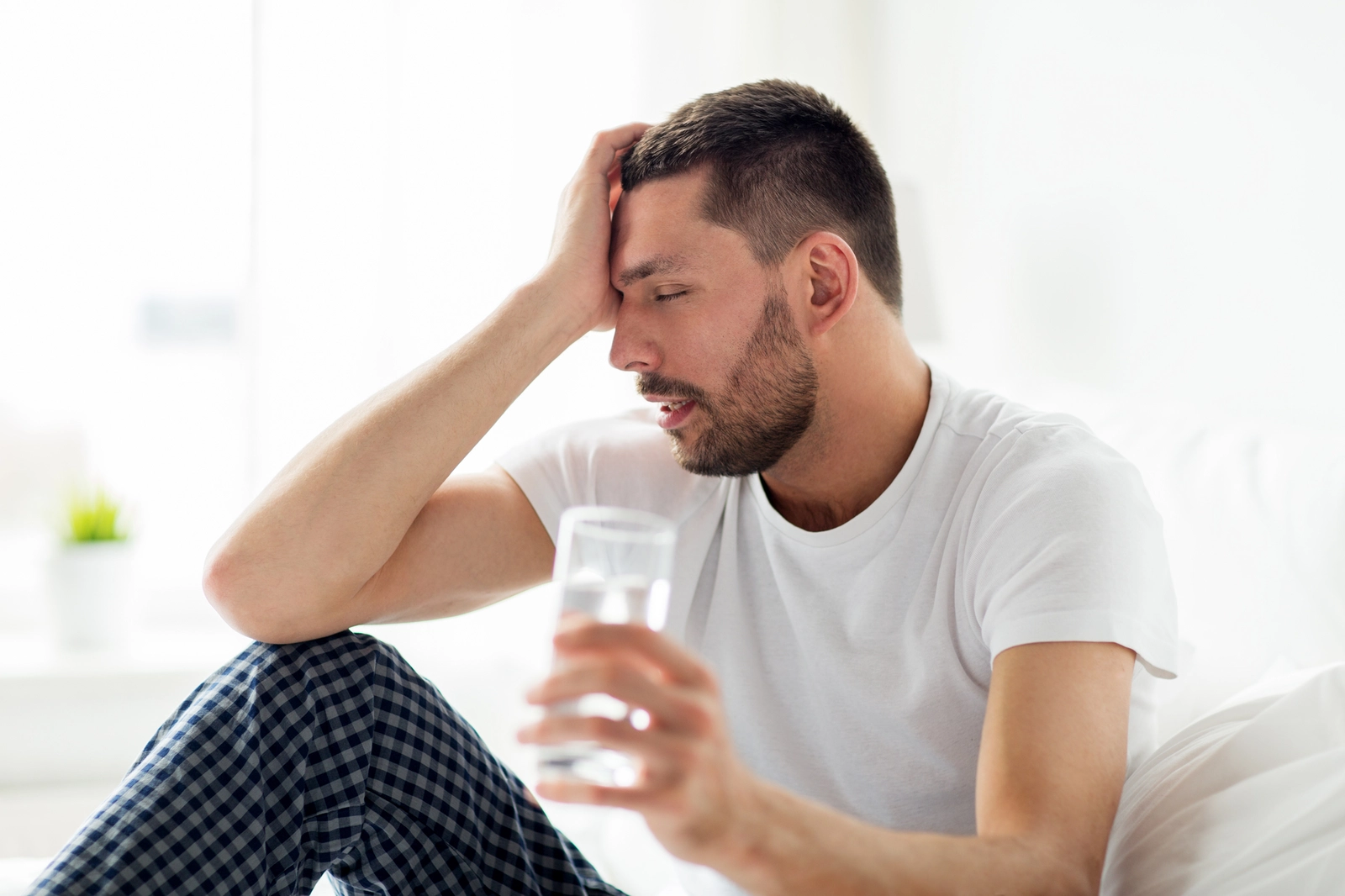
Some people should avoid detox from alcohol at home because the risk of severe alcohol withdrawal is too high. Medically supervised detox is usually the safer choice when a person has risk factors that make withdrawal more unpredictable.
At-home detox may be especially unsafe if someone:
- Drinks heavily every day
- Has alcohol dependence or alcohol use disorder
- Has had withdrawal seizures before
- Has had delirium tremens before
- Has hallucinations, confusion, or severe agitation during withdrawal
- Has uncontrolled blood pressure or heart problems
- Has liver disease or poor liver function
- Uses benzodiazepines, opioids, or other drugs
- Has serious mental health symptoms or suicidal thoughts[5]
- Has limited support at home
- Cannot keep fluids or healthy foods down
- Has repeated relapse after trying to stop drinking
- Does not have a reliable support person nearby
A family member or support person can help monitor symptoms, but they are not a substitute for medical care. If serious symptoms develop, emergency care is needed.
What a Safer At-Home Detox Plan Should Include
When a doctor determines that at-home alcohol detox is appropriate, it should still involve medical guidance, daily check-ins, and a clear safety plan.[6] Home detox should not mean stopping cold turkey without professional support.
A safer plan may include:
- A medical assessment before detox begins
- A review of alcohol use, alcohol abuse history, medications, and other drugs
- Blood tests when needed to check liver function, electrolytes, and other health issues
- A support person who can stay nearby
- A plan for emergency transportation
- Clear instructions on when to call 911
- Prescribed medication if appropriate
- Hydration with water or electrolyte drinks
- Healthy foods that are easy to tolerate
- Avoiding isolation during the highest-risk days
- Psychological support and relapse prevention planning
Some people may be advised to drink lots of fluids, use electrolyte drinks, or sip fruit juice if they can tolerate it, but hydration does not treat severe withdrawal by itself. If vomiting, confusion, hallucinations, seizures, or unstable blood pressure occur, medical care is needed.
Why Cold Turkey Can Be Risky
Stopping alcohol cold turkey can be dangerous for someone with alcohol dependence. When the body has adapted to regular alcohol use, suddenly removing alcohol can cause the central nervous system to become overactive. This can lead to tremors, anxiety, high blood pressure, seizures, hallucinations, and delirium tremens.
Cold turkey detox may feel like the fastest way to stop drinking, but speed is not the same as safety. A doctor or detox program can help determine whether medication, monitoring, or medically supervised detox is needed.
Medical detox can also help reduce relapse risk during the first several days. Alcohol cravings, discomfort, insomnia, and fear of withdrawal can push a person back to drinking before recovery support is in place.
What Happens After Detox?
Alcohol detox is only the first step. Detox helps the body get through withdrawal, but it does not treat the full pattern of alcohol addiction, alcohol use disorder, substance abuse, mental health symptoms, or relapse risk.
After detox, treatment options may include:
- Alcohol addiction treatment
- Individual therapy
- Group therapy
- Medication for alcohol use disorder
- Mental health care
- Family support
- Support groups such as Alcoholics Anonymous
- Relapse prevention planning
- Intensive outpatient treatment
- Long-term recovery support
Treatment for alcohol use disorder has been shown to improve with evidence-based treatment, including behavioral therapies, medications, and mutual-support groups. Recovery often works best when detox is followed by ongoing treatment, psychological support, and a plan for cravings, stress, and relapse prevention.
Frequently-Asked Questions Regarding the Safety of Detoxing From Home
Are you or a loved one struggling with Alcohol abuse?

Schedule a Free and Confidential Consultation with Epiphany Wellness
 609-710-9423
 info@epiphanywellness.com