
Hydrocodone vs. Percocet: What’s the Difference?


Dr. Robert Thompson
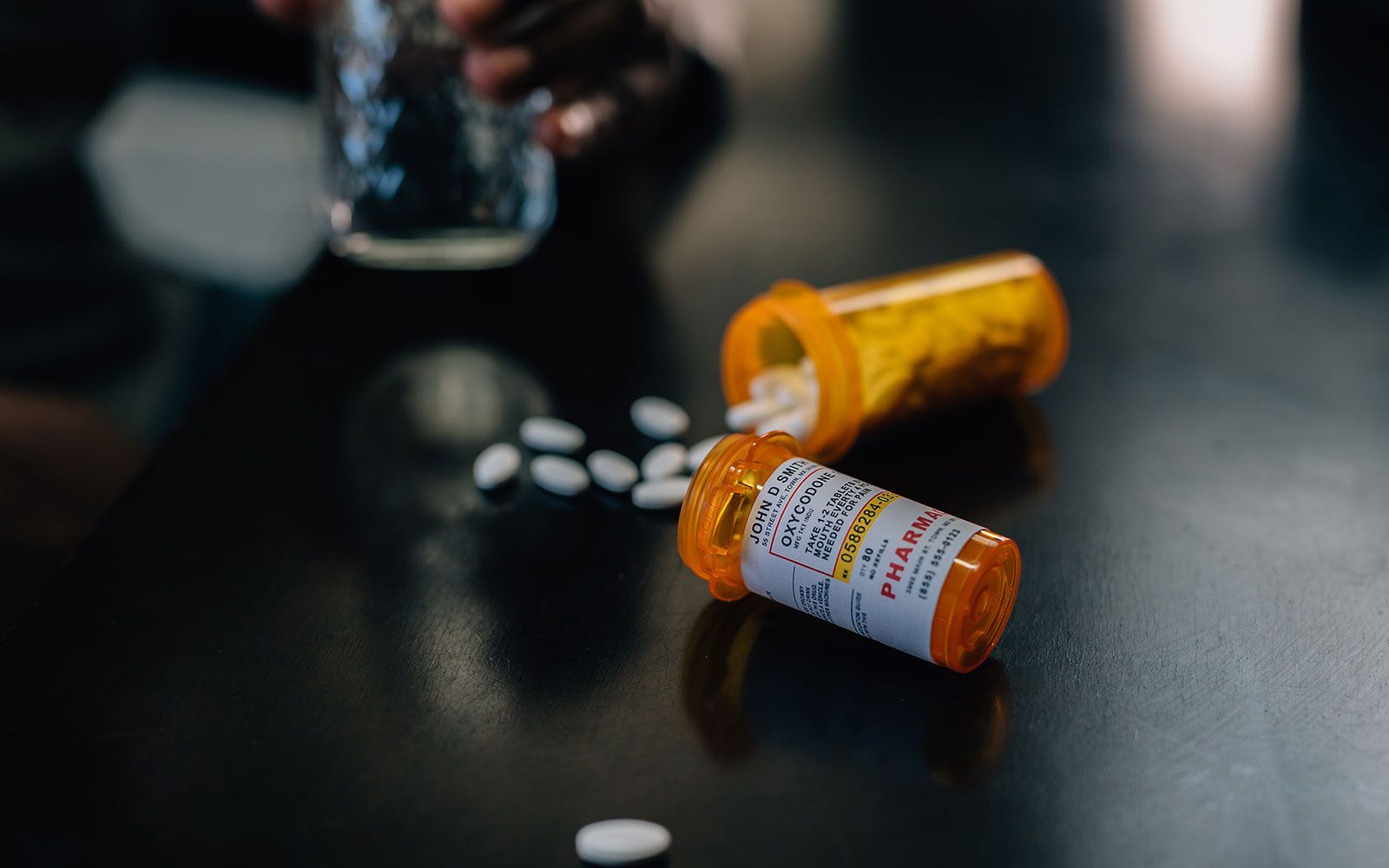

- Hydrocodone and Percocet (oxycodone) are prescription opioids for managing moderate to severe pain.
- Percocet is more potent than hydrocodone on a milligram-for-milligram basis.
- Both medications present the same degree of risk regarding misuse, dependence, and overdose.
- The best medication choice will depend on the person taking it, not which medication is stronger.
- Understanding the differences between hydrocodone and Percocet can help you be more informed when deciding with your provider which is best for you.
If you or a loved one has received a prescription for an opioid for pain management, then you probably have heard of two of the most frequently prescribed opioids: hydrocodone and Percocet.
Both are prescription opioids for moderate to severe pain. At first glance, they appear to be virtually indistinguishable. But there are considerable differences in their active ingredients, strength, and how they impact the body. Understanding the differences between hydrocodone and Percocet can assist you in making more informed choices with your healthcare provider and help you identify red flags if opioid use begins to feel more like a battle than therapy.
Hydrocodone Versus Percocet: An Overview
Below is a brief overview of these two medications:
| Hydrocodone | Percocet | |
| Active opioid | Hydrocodone | Oxycodone |
| Non-opioid ingredient | Usually acetaminophen | Acetaminophen |
| Usual dosage | For moderate to moderately severe pain | For moderate to severe pain |
| Relative strength | Lower | Greater |
| Controlled substance classification | II | II |
| Typical dosing frequency | Every 4 – 6 hours | Every 4 – 6 hours |
| Potential for addiction | Higher | Higher |
Both medications are classified as a Schedule II controlled substance, meaning that they have an approved medical use but also carry a risk of serious psychological or physiological dependence.
What Are Hydrocodone and Percocet?
Hydrocodone and Percocet are both pain medications.
Hydrocodone is an opioid that is often mixed with other drugs like acetaminophen or ibuprofen and sold under brand names like Norco, Vicodin, and Vicoprofen.[2]
Percocet is a brand-name medication made up of oxycodone and acetaminophen.[3]
Healthcare professionals regularly write these prescriptions for patients who have undergone surgical procedures or experienced injuries because they are capable of providing significant pain relief.
As both drugs have a high risk of misuse, they can only be obtained through a doctor’s prescription.
Similarities Between Hydrocodone and Percocet
Hydrocodone and Percocet are used to treat moderate to severe pain, and both bind to opioid receptors in the brain and spinal cord.[4] This action prevents pain signals from traveling from the nerve endings to the brain and creates feelings of calmness or euphoria, which explains why both drugs carry a high risk of abuse.
Percocet and many medications containing hydrocodone also include acetaminophen. Although acetaminophen enhances pain relief, it is not without its own inherent danger. Exceeding the recommended daily dose of acetaminophen, especially when combined with alcohol, can cause liver damage.[5]
What Are the Key Differences Between Hydrocodone and Percocet?
Although hydrocodone and Percocet have a large number of characteristics in common, they do have some key differences.
Active Ingredients
The primary distinction is the opioid contained within each medication. Hydrocodone products contain hydrocodone, while Percocet products contain oxycodone. Although they act similarly and are prescribed for similar purposes, these are different types of opioids.
Potency
In terms of relative strength, generally oxycodone (the opioid contained in Percocet) is viewed as stronger than hydrocodone on a milligram-for-milligram basis.[6] A small dose of oxycodone may produce pain relief comparable to that achieved by a larger dose of hydrocodone.
However, strength does not necessarily translate into superior pain relief for every person. Based on genetic predispositions, previous exposure to opioids, metabolic rates, and the type of pain being treated, individuals experience varying degrees of responsiveness to opioids. Some people may find that hydrocodone provides the same amount of pain relief as Percocet, although oxycodone is more potent on paper.
Duration of Action
Both medications have similar onset times and provide pain relief within approximately 30–60 minutes. Immediate-release formulations of both hydrocodone and Percocet typically provide pain relief lasting for approximately 4–6 hours.
Because of this, they are typically prescribed on this dosing schedule. Extended-release formulations, when prescribed, are intended to provide more sustained pain relief by releasing the medication more gradually (12–24 hours depending on the prescription). However, the extended-release ones pose their own risks and necessitate close medical monitoring.
Metabolic Processes Used to Break Down Each Medication
Both hydrocodone and oxycodone are metabolized by the liver. Genetic variations affecting the liver can determine how rapidly an individual metabolizes each medication. This is why one person may respond markedly differently to hydrocodone or Percocet than another person consuming the same dose.
Side Effects of Both Medications
Since both medications are opioids, they exhibit many side effects that are similar.
Common side effects exhibited by both medications include:
- Sedation and drowsiness
- constipation
- Nausea and vomiting
- lightheadedness
- dry mouth
Severe side effects of hydrocodone and Percocet can include respiratory depression, overdose, life-threatening allergic reactions, liver toxicity secondary to excessive consumption of acetaminophen, and heavy sedation. Contact emergency services immediately if you observe reduced breathing, bluish discoloration around the lips, sleepiness or drowsiness where someone cannot be woken, or disorientation following ingestion of either medication.

Which Medication Provides More Effective Pain Relief?
Instead of considering which medication is more effective in treating pain, consider the following factors that influence how successful a pain medication will be for an individual:
- Type and location of pain
- Severity of pain
- Past opioid usage
- Metabolism
- Overall health
- Medical history
- Other medications being taken
Clinical trials conducted by researchers reviewed by the National Institute on Drug Abuse (NIDA) indicate that, in many cases, clinical trials show that hydrocodone and oxycodone offer comparable levels of pain relief, regardless of their respective potencies.[7]
Your prescribing physician likely needs to titrate or alter your dose based on your individual needs rather than select the “strongest” option.
Addiction Risk: Is One Safer Than the Other?
Hydrocodone and Percocet are highly susceptible to misuse and have the ability to induce opioid use disorder with prolonged use. Tolerance and dependence can develop during prolonged administration of either medication, even if taken without any form of misuse whatsoever. This risk is increased when either medication is taken with alcohol or benzodiazepines, as this combination greatly increases the probability of dangerous drops in your ability to breathe.
Neither medication presents a lesser risk for developing addiction. Rather, the greatest risk factor is generally related to how the medication is utilized, for how long, and with what other medications.
Choosing Between Hydrocodone and Percocet: What Factors Influence Your Choice?
Selecting between hydrocodone and Percocet is not something you should attempt to accomplish independently. Doctors evaluate numerous factors when selecting the correct medication and dose for a particular patient, including:
- Pain level
- Prior usage of opioids
- Kidney function status
- Liver function status
- Age
- Current and past medications
- Family and personal history of risk for addiction
No single opioid medication is universally “correct.” What constitutes a suitable medication for one individual may not constitute the most appropriate medication for another individual.
Guidelines for Safe Usage of Hydrocodone and Percocet
When you have been prescribed hydrocodone or Percocet, it is essential that you adhere to certain guidelines to ensure safe usage:
- Never consume more than your prescribed dose.
- Do not drink alcohol while using either medication.
- Document your entire acetaminophen consumption (from all sources, including what is in your pain medication and what you take separately).
- Store your medication safely in your home.
- Do not distribute your prescription to anyone.
- Dispose of unused portions properly (when possible, use a take-back program).
- Discuss with your prescribing doctor whether keeping naloxone (a medication that can reverse the effects of opioid overdose) readily accessible makes sense for your unique circumstances.
Seeking Assistance
It is not always straightforward to recognize when opioid use has gone beyond what was prescribed and becomes an opioid addiction.
Indicators of opioid misuse include:
- Taking more doses than directed
- Feeling intense cravings
- Getting prescriptions from multiple physicians
- Noting withdrawal symptoms between doses
- Difficulty stopping use even when attempting to
If you or a loved one are showing any of those signs, please know that help is available
Finding Help for Opioid Misuse or Dependence
Hydrocodone and Percocet are both effective opioid pain relievers, and although Percocet is stronger, that doesn’t always mean a better outcome for every patient. Effectiveness ultimately depends on the person, the type of pain being treated, and careful medical supervision throughout treatment.
Because both medications carry serious risks, including dependence, overdose, and misuse, they should only be used exactly as prescribed. If you have concerns regarding your own opioid use or misuse, or a loved one’s, please reach out to Epiphany Wellness to speak with our staff regarding compassionate, professional treatment options.
Frequently Asked Questions About Hydrocodone and Percocet
Are your or a loved one struggling with painkiller ?

Schedule a Free and Confidential Consultation with Epiphany Wellness
 609-710-9423
 info@epiphanywellness.com