
Can You Overdose on Kratom? Safety, Risks, and When To Seek Help


Dr. Robert Thompson

- Kratom affects opioid receptors and can cause dependence, withdrawal, and toxicity.
- Overdose symptoms may include dizziness, confusion, vomiting, tremors, seizures, hallucinations, rapid heartbeat, and slowed breathing.
- Severe toxicity is more likely with high doses, concentrated extracts, or when mixed with opioids, benzodiazepines, alcohol, or fentanyl.
- Treatment focuses on assessing breathing and heart function, contacting poison control, and managing symptoms.
- Naloxone may be used for opioid-like breathing problems under medical supervision. Suspected overdose requires immediate emergency care.
- If kratom use continues despite harm or causes withdrawal, addiction treatment may be appropriate.
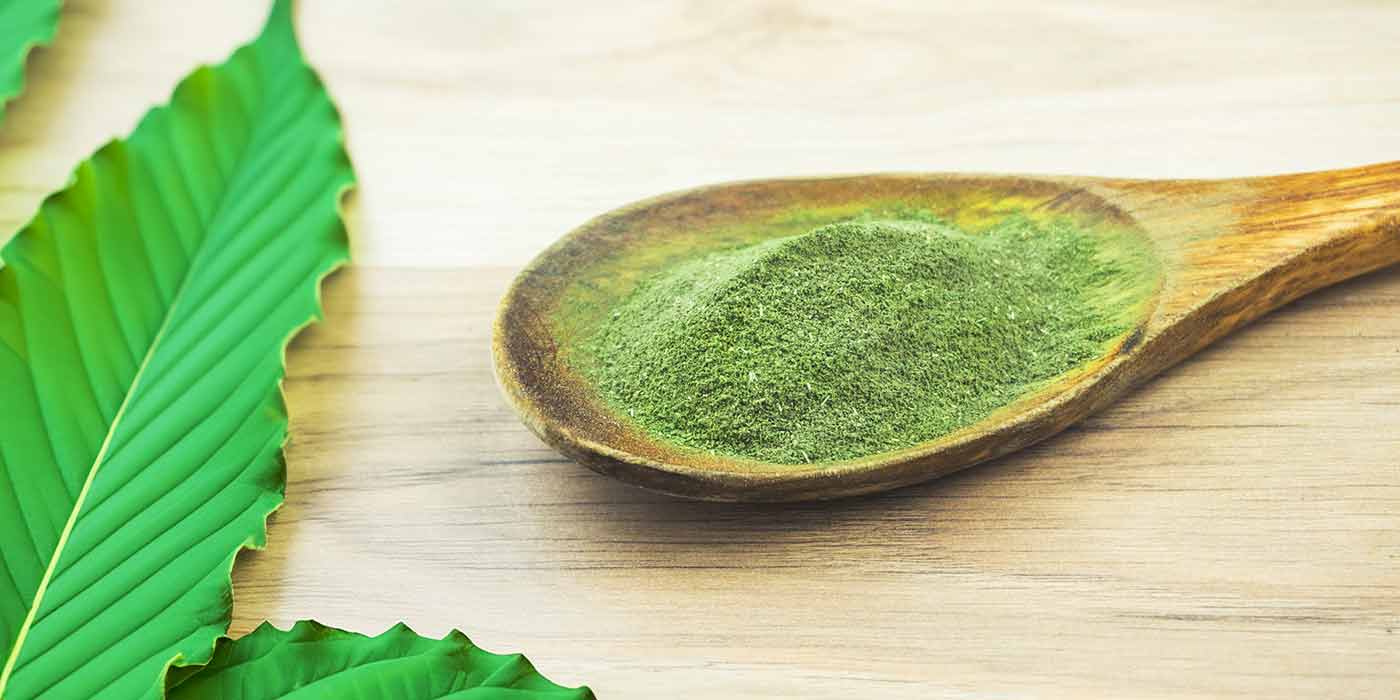
Kratom comes from the leaves of the Mitragyna speciosa tree (naturally occurring in Southeast Asia). The primary bioactive compounds in kratom are called mitragynine and 7-hydroxymitragynine. The way that these compounds bind to opioid receptors explains how kratom users report benefits related to pain relief, energy, mood enhancement, or managing opioid withdrawal symptoms [1].
Kratom has not received approval as a medicine from the United States Food and Drug Administration (FDA). As a result, the FDA advises against using kratom due to numerous reports of significant adverse events including liver injury, seizures, substance use disorders, and withdrawal symptoms [2].
Another issue with kratom products is that they are not regulated in the manner that prescription medication is. Therefore, the level of active alkaloid can vary widely depending upon the specific product. Extracts can be much more powerful than regular powdered leaf, and there exists a possibility that certain products can contain contaminants or be labeled inaccurately.
Many kratom users believe that since kratom is “all-natural,” it is safe compared to prescribed opioids or illegal opioids. However, simply because kratom is made from plants does not imply that it is free from risks. If you or a loved one has been consuming kratom powder, liquid extracts, capsules, or concentrated kratom extracts, the question that probably keeps them awake at night is: can you overdose on kratom?
While kratom overdose and kratom toxicity can occur, the risk increases when an excessive amount is consumed, high-potency kratom extracts or concentrates are ingested, or when kratom is mixed with other substances. In extreme cases, kratom toxicity has been associated with seizures, comas, respiratory depression, liver damage, and fatalities. However, when kratom is used with multiple substances, the risks become significantly greater.
Can You Overdose on Kratom?
Overdose is indeed possible with kratom. However, overdose from kratom doesn’t necessarily mimic an opioid overdose caused by heroin, fentanyl, or oxycodone. Stimulatory effects of kratom can include restlessness, agitation, tremor, sweating, and tachycardia. Sedative effects can include drowsiness, confusion, respiratory depression, and unconsciousness.
The greatest risk of serious kratom toxicity occurs when kratom is mixed with another substance. According to data collected by the Centers for Disease Control and Prevention (CDC) from 27 states, among overdose deaths where kratom was detected, most involved multiple substances. Fentanyl, heroin, benzodiazepines, prescription opioids, and cocaine were frequently found together with kratom in those toxicology results [3].
This does not mean that kratom is completely safe on its own. This indicates that overdose risks are complex, and the best course of action would be to respond to all concerning symptoms as a medical emergency.

Common Symptoms of Kratom Overdose
Symptoms of kratom overdose depend upon what type of product was consumed, how much of each product was consumed, the individual’s physical condition, their previous experience or tolerance with kratom consumption, and if additional substances were ingested along with the kratom.
Some possible symptoms include:
- Dizziness
- Vomiting
- Sweating
- Dry mouth
- Constipation
- Itching
- Agitation or restlessness
- Tremors
- Drowsiness
- Confusion or hallucination
- Fast heartbeat or high blood pressure
- Seizures, shallow breathing, respiratory depression, coma, unresponsiveness, or loss of consciousness
Since several of these effects can occur at lower doses of kratom and act as side effects rather than symptoms of an overdose, it may be difficult to determine when a person has crossed the line from safe use to toxicity. A study conducted by poison control centers documented commonly reported symptoms resulting from kratom ingestion such as agitation, tachycardia, drowsiness, and confusion [4].
Please call emergency services if you find anyone displaying one or more of these behaviors: severely drowsy, extremely confused, hallucinating, seizing, having slow, shallow, or stopped breathing, fainting, unable to awaken, repeatedly vomiting, or showing signs of liver injury (yellowing skin, dark urine, severe weakness, upper abdominal pain).
Serious Kratom Toxicity Requiring Immediate Medical Attention
Do not try to wait out acute symptoms at home. Please contact your local emergency number right away if someone displays any one of the following:
- Seizures, blue or gray lips or fingers
- Slow, shallow, or no breathing
- Chest pain
- Loss of consciousness
- Extreme confusion, agitation, hallucinations
- Inability to remain awake
- Multiple episodes of vomiting, or signs of liver injury (yellowing skin, dark urine, weakness, right upper quadrant abdominal pain)
- Suspected fentanyl, oxycodone, benzodiazepine, alcohol, or poly-substance use
Additionally, toxicological screening may not consistently test positive for kratom exposure. Therefore, you must inform emergency personnel about what product(s) were taken, when they were last taken, and whether any other drugs, substances, or alcohol were consumed. Having packaging available for review can greatly assist emergency responders.
Why Does Kratom Overdose Have Such Unpredictable Outcomes?
Because the quality and effectiveness of kratom products and their alkaloid content varies widely, kratom’s effects can be unpredictable.
Risk factors for increased likelihood of kratom toxicity include:
- Taking a significant amount of kratom
- Consuming concentrated extracts or liquid extracts
- Increasing frequency of kratom use over time
- Combining kratom with opioids, benzodiazepines, alcohol, or sleep aids
- Presence of underlying liver, kidney, cardiac, or neurological conditions
- Using kratom as a method for self-management of opioid withdrawal
- History of substance use disorder
- Purchasing products from unreliable vendors
- Developing dependence
Over time, some users require increasing amounts of kratom to achieve desired effects, exhibit cravings for kratom, continue to consume kratom in spite of harm or adverse effects, and exhibit withdrawal symptoms when attempting to cease usage.
Help Is Available If You Struggle to Control Kratom Use
Epiphany Wellness provides individualized treatment for people struggling with substance use and co-occurring mental health concerns. For someone struggling with kratom use, cravings, dependence, withdrawal symptoms, or difficulty cutting back, treatment can begin with a personalized intake assessment. During this process, the team evaluates physical and mental health, substance use, and co-occurring concerns to help determine an appropriate treatment plan.
If kratom use, cravings, withdrawal symptoms, or related mental health concerns have become difficult to manage, reaching out to Epiphany Wellness can help determine an appropriate level of treatment and next step in recovery.
Frequently Asked Questions Regarding Kratom Overdose
Are you or a loved one struggling with Kratom addiction?

Schedule a Free and Confidential Consultation with Epiphany Wellness
 609-710-9423
 info@epiphanywellness.com