


How Long Do Drug Test Results Take?


Dr. Robert Thompson
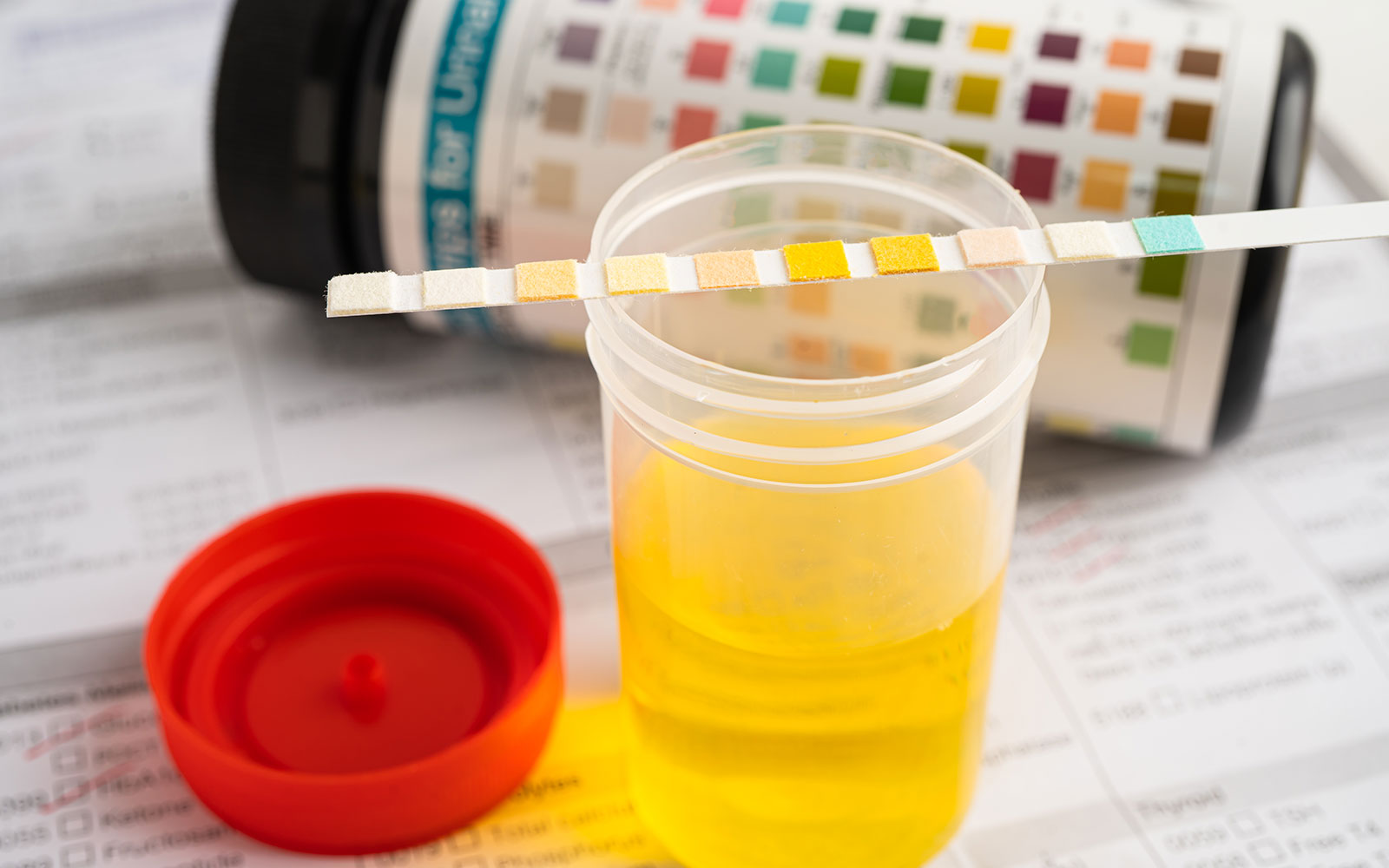

- Most negative drug test results generally arrive quicker than positive or non-negative results.
- On-site urine drug screen results usually come back much faster than lab-based results.
- After receiving a positive result (and prior to releasing a result to an employer), confirmation testing and/or a Medical Review Officer’s evaluation may be necessary and could take even more time.
- Several factors can affect how long drug test results take, including the testing method, sample collection, lab volume, transportation, specimen issues, and whether a Medical Review Officer review is needed.
- A drug test can detect drug use only within a certain detection window, which varies by substance, sample type, and individual factors.
Waiting for drug test results can feel stressful, especially when the test is for pre-employment screening, random testing, treatment, or court requirements. There is considerable variation in wait time based on what kind of drug test was performed and whether your initial result came back as negative, positive, inconclusive, or non-negative.
On average, instant negative urine drug test results may be available immediately. However, lab-based negative urine drug test results normally will be available in one to three business days after receipt of the specimen. Positive, non-negative, invalid, or unclear results typically take longer because the sample may need confirmation testing or Medical Review Officer review.
How Long Does It Take to Get Drug Test Results?
The timeframe for obtaining drug test results will largely be dependent upon the technique used for the drug test.
Here is a rough estimate of turnaround time:
- Rapid Urine Screen: negative results may be available instantly from collection for several drugs
- Lab-Based Urine Test: generally 1-3 business days for negative results
- Lab-Based Non-Negative or Positive Result: may take several business days due to potential for confirmation testing and/or Medical Review Officer evaluation
- Oral Fluid or Swab Test: can be rapid on-site or take a few business days if sent to a laboratory
- Blood Test: will likely be processed through a laboratory and may take a few business days
- Hair Test: hair samples are processed by a laboratory, so results often take longer than urine test results.
According to Quest Diagnostics, there is an instant urine drug testing product where negative urine drug screen results may be available in minutes from collection for multiple drugs. [1] In contrast, lab-based testing will generally take longer as the specimen must travel, be received, processed, evaluated, and possibly verified.
How Long Do Urine Tests Take?
Urine drug testing is among the most common forms of drug testing. A urine sample may be tested on-site with an instant screen or sent to a laboratory.
If the urine drug screen is instant and comes back as negative, then your results will likely be available the same day. If your specimen is sent to a laboratory, your negative test results will generally arrive faster than your positive and non-negative test results. Your positive result(s) will probably require confirmatory testing in order to identify the exact substance(s) or metabolite(s).
Some examples of items that might be detected by a urine drug test include:
- Amphetamines
- Methamphetamine
- Cannabinoids (tetrahydrocannabinol (THC))
- Cocaine metabolites
- Codeine or morphine opiates
- Oxycodone or methadone opioids (if included)
- Benzodiazepines
- Barbiturates
- Phencyclidine (PCP)
Each urine drug test may not screen for each listed item above. What test panel is being utilized plays a significant factor. As an example, a standard panel may not check for oxycodone and methadone unless those drugs were specifically ordered.
How Long Do Pre-Employment Drug Test Results Take?
Employer drug screening test results generally take 1-3 business days when the test result is negative and all collection or paperwork issues are resolved. Additionally, results may take longer if the specimen requires further confirmatory testing, if the laboratory is experiencing a backlog of specimens, if shipping of the specimen from the collection site is delayed, or if a Medical Review Officer needs to contact the donor.
Pre-employment drug screening can involve various methods including urine, oral fluids or swabs, and/or hair, depending on company policy, regulatory requirements of their respective industries, and applicable federal law. The United States Department of Transportation (DOT) testing must follow DOT procedures under 49 Code of Federal Regulations (CFR) Part 40 for federally regulated transportation employees. DOT states that Part 40 describes required procedures for workplace drug and alcohol testing in the federally regulated transportation industry. [2]
If the test is part of an employer’s drug-free workplace policy, timing may also depend on the employer’s contracted vendor, testing laboratory, and whether the test result requires review before it can be disclosed to the employer.
Why Positive Results Take Longer
Typically, positive test results take longer because labs usually don’t just rely on an initial screen. An initial screen will typically report a result as either negative, positive, or non-negative. If a specimen reports a positive or non-negative screen, a lab may conduct a confirmatory test using a more specific testing methodology.
Additionally, a Medical Review Officer (MRO) review can add even more time. Under DOT regulations, MROs contact the employee during the verification process when a laboratory has reported a positive, adulterated, substituted, or invalid result. [3]
MROs are involved in this process in order to ensure accuracy and provide protection against false positives resulting from legitimate prescriptions (e.g., a prescription that explains a positive result for amphetamines, benzodiazepines, opioids, or other substances), medical conditions, or other circumstances. This process is intended to ensure the accuracy of the result prior to reporting it as a final workplace result.
What Factors Affect Drug Test Timing?
There are numerous elements that influence how long it takes for you to obtain your drug test results. Examples include:
- Type of Testing Method Used: Each type of testing has unique processing times, e.g., urine testing, blood testing, hair testing, or saliva testing.
- On-Site Versus Lab Testing: Rapid tests are fast; however, lab tests are often more detailed
- Negative Versus Positive Result: Negative results normally arrive faster than positive or non-negative results
- Confirmation Testing: Positive screens may require second tests
- Medical Review Officer Review: Workplace or DOT testing may involve MRO verification.
- Sample Collection Issues: Mislabeled forms, insufficient urine, dilution, and temperature may cause delays
- Sample Transportation: If the sample is collected off-site, it must be transported to a laboratory.
- Days of Operation and Business Days: Weekends or holidays can delay processing
- Test Panel: Larger panels or specialty panels may require additional time for processing
- Laboratory Volume: Higher demand volumes can slow down processing
The length of time a test can detect drugs also varies greatly. According to Labcorp, the detection timeframe is influenced by a number of variables such as dose, sensitivity of testing methods, route of administration, duration of use, sample type, drug or metabolite tested, urine concentration, urine pH, and individual metabolic and renal differences. [4]
Types of Drug Tests and Timing
Various types of drug tests answer different questions. While turnaround time refers to the length of time required to receive test results, detection window represents the timeframe during which a particular substance can be detected post-use.
Urine Drug Test
Urine testing is among the most common forms of drug testing used across various sectors such as employment, treatment programs, courts, and healthcare environments. Urine testing detects metabolites produced in the body after ingestion of substances. Urine testing is practical, familiar, and can detect many substances after immediate effects are gone, which is why it is frequently employed.
Saliva Test or Swab Test
Oral fluid or swab testing may detect more recent substance use for some drugs. Some saliva tests may produce quick results, whereas others may require longer periods of time to receive lab-based oral fluid testing results.
Blood tests
Although blood tests are less frequent in workplace drug screening applications, they may be used in emergency, medical, or legal situations. Blood tests generally have shorter detection windows than urine tests for many drugs.
Hair testing
Hair testing can demonstrate prolonged exposure to substances based on hair growth patterns. Since it takes weeks and/or months for substances to be detected in hair samples, hair tests are rarely used for detecting recent substance use. Hair samples also typically take longer to process than urine samples, as they require laboratory processing.
Detection Window Versus Turnaround Time
As noted earlier, turnaround time is defined as how long it takes to receive your test results, while detection window is defined as how long after substance use you can expect to detect that substance.
For example, a urine drug test may return results in a few business days, but the detection window for THC, opioids, amphetamines, benzodiazepines, or methadone can vary widely.
Someone may no longer feel intoxicated yet continue to test positive for metabolites that remain detectable. Conversely, someone who uses substances outside the detection window for their specific test may receive negative results.
Can Prescription or Over-the-Counter Medications Affect Results?
Yes. Certain prescription medications and some over-the-counter products may affect drug screening results or require additional review. This is one reason why positive or non-negative test results may take longer.
Some illustrations may include prescription medications associated with:
- Attention-deficit hyperactivity disorder (ADHD) treatment
- Pain management
- Anxiety treatment
- Sleep
- Symptoms associated with cold or cough
- Depression
- Medication-assisted treatment, e.g., methadone or buprenorphine
Do not stop taking your prescription medications without consulting with your health care provider first. If you have an active prescription, you should follow directions given by your testing program, employer, or Medical Review Officer.
What If a Drug Test Result Is Positive?
A positive result does not necessarily indicate completion of the process. Depending on your specific circumstance, you may need additional confirmation testing and/or MRO review or documentation of your prescribed medications.
Possible next steps following a positive test include:
- Confirmation testing
- MRO contact
- Review of prescribed medications
- Notification of employer following verification
- Follow-up testing
- Referral for treatment depending on circumstance
- Return-to-duty process through DOT should the employee be working in a safety-sensitive position
While drug testing can seem like a singular occurrence, it may represent an opportunity to seek assistance if you’re concerned about returning a positive test due to substance use. Both drug use and/or substance abuse and substance use disorders are treatable, and resources exist before they develop into serious problems.
When Drug Testing Becomes a Sign to Seek Help
A drug test can feel like a one-time event, but it may also point to a larger concern, whether or not the result comes back positive.
It would be beneficial for you to seek assistance if you are experiencing:
- Cravings or withdrawals
- Repeatedly unsuccessful attempts to abstain
- Use of illegal drugs
- Misuse of prescribed drugs
- Mixing substances
- Problems at work or school
- Legal issues
- Concerns regarding physical health
- Deteriorating interpersonal relationships
- Using drugs as a coping mechanism for anxiety, depression, trauma, or stress
Treatment exists to assist individuals struggling with both substance-related issues and co-existing mental health diagnoses.
Frequently Asked Questions About Drug Test Results
Drug Addiction Treatment in Blackwood, New Jersey
If drug testing has raised concerns about substance use, Epiphany Wellness can help.
We treat both drug addiction and alcohol addiction with programs that allow patients to receive treatment for co-occurring mental health disorders. Services offered by Epiphany Wellness can include assistance with managing withdrawal symptoms, relapse prevention, treating mental health symptoms, coping mechanisms, and planning future goals for recovery. Contact us for more information or for insurance verification.
 To guarantee that all of our information is accurate, we ensure that all our sources are reputable. That means every source is authenticated and verified to be backed only by medical science.
Epiphany Wellness Editorial Guidelines
At Epiphany Wellness, we take your health and wellness seriously. We have a thorough process in place to ensure the integrity of information that is displayed on our website. All content published to our site undergoes a rigorous medical review by a doctorate level clinician to ensure medical accuracy.
Read More About Our Process
Schedule a Free and Confidential Consultation with Epiphany Wellness
 609-710-9423
 info@epiphanywellness.com