


Cocaine Eyes and Other Visible Physical Signs of Cocaine Use


Dr. Po Chang Hsu MD, MS
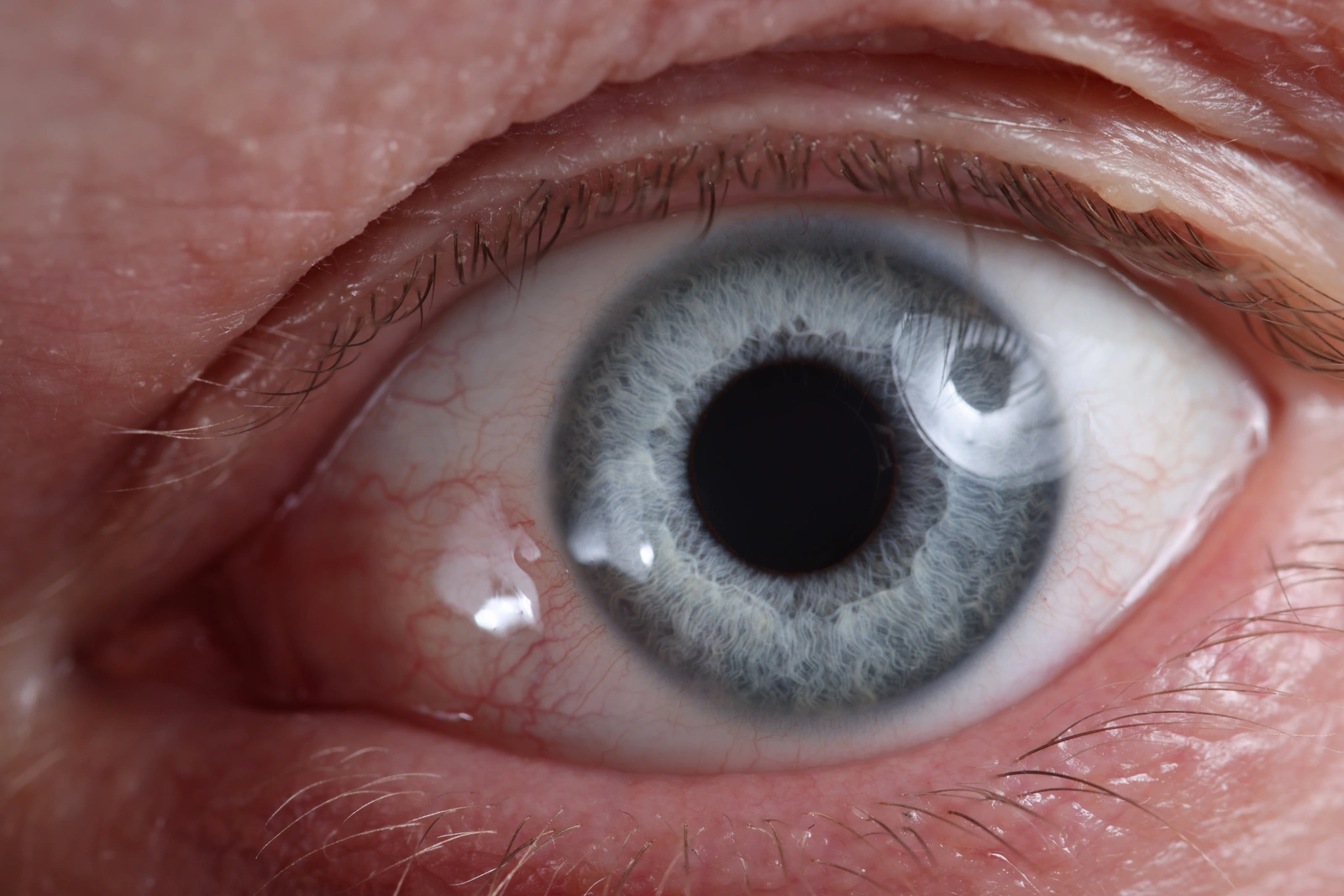

- “Cocaine eyes” is a well-known set of eye-related symptoms caused by cocaine use, including pupil dilation, light sensitivity, redness, and abnormal eye movement.
- In addition to pupil dilation, chronic cocaine use can cause a wide range of serious eye conditions such as “crack cornea,” corneal ulcers, and orbital inflammation, which if left untreated could potentially result in blindness.
- Other visible signs of cocaine abuse beyond the eyes include nasal septum damage, track marks, skin excoriation, burns on lip due to pipe use, and extreme weight loss.
- While acute physical symptoms can be treated, stopping cocaine use completely is the only way to prevent permanent eye damage, nasal collapse, and ongoing tissue destruction.
Cocaine eyes are among the most identifiable physical signs of cocaine usage.
Because cocaine is an extremely potent central nervous system stimulant, it can significantly alter eye function and appearance due to the increase in norepinephrine and dopamine that occurs when it is consumed.[1] However, changes to the eyes are not usually the only visible sign of cocaine use.
What Are Cocaine Eyes?
“Cocaine eyes” describes several apparent differences in the eyes’ appearance and function that are common in people who use cocaine. These differences include:
- Severe Pupil Dilation (Mydriasis): The brain cannot absorb excess norepinephrine because cocaine prevents its absorption; this forces the pupils to dilate widely (become larger), even when there is bright lighting around them, where they would naturally constrict.[2]
- Extreme Sensitivity to Light (Photophobia): Since excess light enters through dilated pupils, users often wear sunglasses in indoor or dimly lit settings to protect their eyes from too much light.
- Red or Bloodshot Appearance: The irritation produced by cocaine smoke, sleep deprivation, or increased blood pressure results in swollen or reddened veins in the sclera, which is the white part of the eye.
- Distracted or unpredictable eye movement: When the acute high has subsided, a user might show erratic or uncontrollable eye movements or have trouble keeping their focus on an object.
- “Crack Cornea”: Chronic exposure to crack cocaine smoke or persistent eye-rubbing while numbed by the drug’s anesthetic properties can lead to corneal toxicity, causing painful inflammation (keratitis) and corneal ulcers.[3]
Specific Ocular Complications Caused by Cocaine

Over time, chronic cocaine use damages the eye by restricting blood flow (vasoconstriction) and acting as a local anesthetic, leading to a decreased natural blink reflex and eye-protective responses.[4] Over time, this leads to significant structural damage.
- Corneal Damage or Ulcers: Snorting cocaine can accidentally send particles of the drug through the tear and smoke can make direct contact with the eyes, causing numbing. This may result in reduced blinking, severe dry-eye syndrome, corneal abrasions, or infectious ulcers.
- Orbital Inflammation: Nasal erosion from snorted cocaine severely inflames the tissues in the eye socket, resulting in potential extraocular muscle swelling, obstructed tear ducts, or vision-threatening infections such as orbital cellulitis.
- Retinal Vascular Damage: Vasoconstrictive effects of chronic cocaine use can lead to blockages of the blood vessels that supply the retina, including central retinal artery or vein occlusions, intraretinal hemorrhage, or retinal detachment.[5]
- Glaucoma: Chronic cocaine users have a 45% increased risk of developing glaucoma at an earlier age.[6]
Other Visible Physical Signs of Cocaine Abuse
While changes in the eyes are often the first sign, cocaine use causes distinct, noticeable changes across the entire body depending on how the drug is consumed:
Visible Nasal Damage (From Snorting)
Snorting cocaine can quickly cause damage to the delicate lining of the nasal passages. Cocaine is acidic and chronic use causes inflammation in the mucosal lining, leading to symptoms like a persistent runny nose, frequent nosebleeds, and sinus pain.[7] Over time, this constant constriction of blood vessels in the nose limits oxygen and nutrients to the soft tissues in the nose and cartilage, causing the tissue to eventually degrade and die, eventually causing a perforated septum (a hole in the cartilage separating the nostrils) or even a complete collapse of the nasal structure, commonly referred to as a saddle nose deformity.
Skin and Body Damage (From Injecting or Chronic Use)
Frequently injecting cocaine can cause severe physical markers on the skin, such as puncture wounds, track marks, and dark scarring along veins in the arms, hands, legs, and feet. It also frequently causes skin infections, abscesses, or even collapsed veins.
Beyond the physical scarring, chronic cocaine toxicity also alters sensory perception, causing tactile hallucinations where users feel like bugs are crawling beneath their skin.[8] This delusion leads to compulsive skin excoriation and picking, resulting in open sores and permanent scarring.
Oral and Facial Signs (From Smoking Crack)
Smoking crack cocaine introduces intense heat and toxic vapors directly to the mouth and hands.
Using short glass pipes often leaves users with burned and blistered, blackened, or cracked lips and calloused thermal burns on the thumb and index fingers where they make contact with the pipe. The drug’s intense central nervous system stimulation also causes severe involuntary jaw clenching and teeth grinding, leading to extensive dental decay. Over time, this constant mechanical friction fractures enamel, wears teeth down to stumps, and causes persistent facial muscle stiffness, temporomandibular joint pain, and extensive dental decay.
General Physical Deterioration
Cocaine use leads to a gradual physical deterioration that makes drug use more obvious as time goes on.
It is a powerful stimulant and, like other stimulants, tends to suppress appetite and accelerate metabolic rate, causing sudden, extreme weight loss and a gaunt facial appearance. Severe overstimulation also causes visible neuromuscular symptoms, including persistent hand tremors, restless limb movements, and involuntary facial tics.[9] These symptoms, combined with chronic sleep deprivation from cocaine’s stimulant effects often create an overall picture of severe exhaustion, frailty, and general “unwell” appearance.
Other Serious Health Problems Caused by Chronic Cocaine Abuse
Long-term damage from cocaine abuse creates other serious health risks. In addition to damage to the nasal passages, long-term cocaine abuse has been linked to heart attacks and strokes.[10] These are among the leading causes of deaths related to substance abuse. Additionally, cocaine users are more likely to develop the following:
- Kidney failure: Another complication of chronic cocaine abuse is kidney failure. When kidney function is impaired, waste products build up in the blood instead of being filtered out. Symptoms include fatigue, nausea, vomiting, and abdominal swelling. Severe cases can lead to fluid buildup in the lungs, chest cavity, and abdomen, causing shortness of breath and severe discomfort.
- Liver cancer: Liver cancer can occur due to liver damage caused by chronic cocaine abuse. Cirrhosis of the liver develops over time as scar tissue builds up in response to repeated bouts of inflammation. Liver cancer develops when cells grow abnormally inside the liver. Liver cancer has no cure and ultimately requires removal of the liver.
- Respiratory complications: Smoking cocaine damages lung tissue and disrupts normal respiratory functions. Smokers who use cocaine are more likely than smokers who do not use cocaine to experience respiratory problems such as bronchitis, pneumonia, and asthma.
For all these reasons, seeking help for cocaine abuse is important now rather than later.
Seeking Help for Cocaine Addiction and Physical Side Effects
Bloodshot eyes and erratic eye movements don’t always equate to cocaine use, but if you are noticing a loved one with these symptoms along with other obvious physical and behavioral signs such as frequent nosebleeds, extreme bursts of energy, dilated pupils, sudden weight loss, or dramatic mood swings, it may point to active substance use. In that case, seeking immediate medical evaluation is critical.
If you or someone you love is struggling with cocaine use, reach out to Epiphany Wellness today. Our admissions team is available to answer your questions, explain your options, and help you take the next step forward.
Frequently Asked Questions About Cocaine Eyes
Are you or a loved one struggling with Cocaine addiction?

Schedule a Free and Confidential Consultation with Epiphany Wellness
 609-710-9423
 info@epiphanywellness.com