


How Long Do Barbiturates Stay in Your System? Understanding Duration and Detection


Dr. Robert Thompson
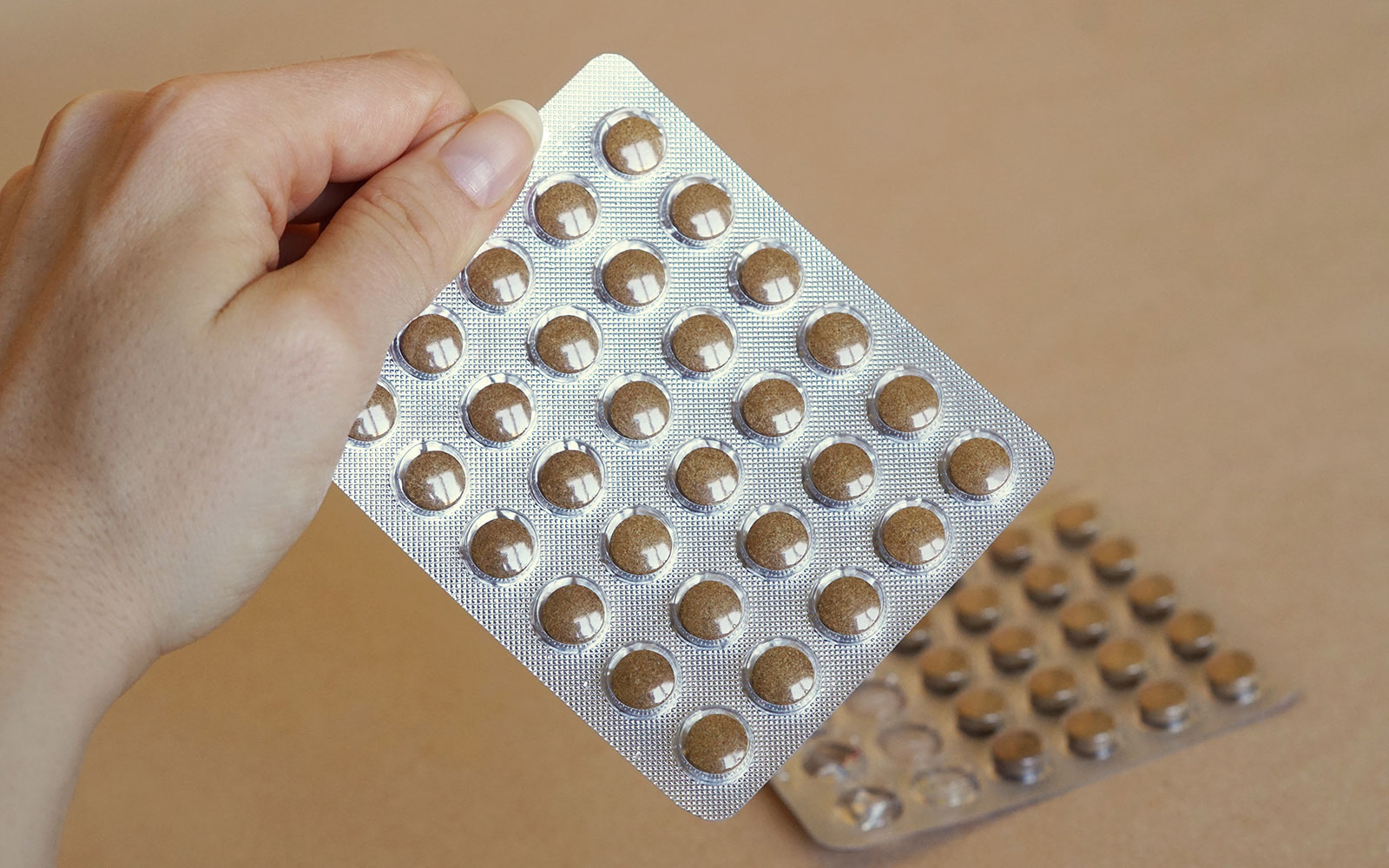

- The amount of time that barbiturates will be present in your system varies based on which type of drug you are using and how long it lasts.
- Shorter-acting barbiturates typically leave your system within two to five days. Longer-acting drugs (such as phenobarbital) can take weeks to clear from your body.
- Phenobarbital is usually detectable via urine test for 10–20+ days; however, this could vary by individual. Hair testing detects phenobarbital at varying levels for an indeterminate period of time. Blood testing, saliva testing, and urine testing have different detection times.
- Factors such as age, liver function, metabolic rate, dosage, and frequency of use will determine how quickly you metabolize and eliminate the barbiturate from your body.
Barbiturates are central nervous system depressants that are prescribed far less often today than they were fifty years ago.
However, medications like phenobarbital are still used today in certain medical settings. If you have been prescribed phenobarbital, it is common to wonder how long a barbiturate will stay in your system.
This guide will walk you through typical detection windows for urine, blood, saliva, and hair tests, explain why side effects may fade well before the substance is out of your system, along with what factors can affect detection windows.
How Long Do Barbiturates Stay in Your Body Based on Type?
There is no simple answer for this question, as detection times largely depend on which type of barbiturate you are referring to.
Barbiturates are not one type of drug, but rather a general classification for a large number of drugs with varying chemical structures.[1] Some are short- or intermediate-acting and may leave the body within a couple of days, while longer-acting barbiturates can remain in the body much longer.
This variation in how quickly each type of medication leaves the body is largely due to half-life, or the amount of time it takes for the amount of active ingredient in the body to reduce by fifty percent. Since shorter half-life medications are eliminated from the body faster than those with longer half-lives, the length of time that a medication remains in the body will also vary greatly. Below is a chart showing the estimated half-life and detection times for common types of barbiturates.
| Barbiturate | Type | Approximate Half-Life | Approximate Urine Detection |
| Phenobarbital | Long-acting | 2–6 days | Up to 2–3 weeks (sometimes longer) |
| Butalbital | Intermediate | ~35 hours | Up to 7 days |
| Amobarbital | Intermediate | 8–42 hours | Up to 3 days |
| Pentobarbital | Short | 15–50 hours | Up to 3 days |
| Secobarbital | Short | 15–40 hours | Up to 3 days |
As well as being important to understand, it is helpful to note that half-life does not equate to the full elimination time for a particular medication. In fact, most medications need at least 4-5 half-lives to reach a point where there are trace amounts left in the body.[2] Furthermore, as mentioned above, drug testing detects not just the original form of the medication, but also all of the metabolites (or breakdown products) produced during the process in which the liver degrades the medication into various compounds.
Which Barbiturate Stays in Your System the Longest?
Phenobarbital
The half-life of phenobarbital is the longest among all barbiturates that doctors prescribe today.[3] This medication is most often prescribed for people who have seizures; the slow rate at which your body processes this medication allows it to be effective for managing and controlling seizure activity over a very long time. However, because of the long processing time, and therefore a long time to process out of your system, you could be positive on a urine drug screen for up to two or three weeks after you stop using this type of medication.
Butalbital
Butalbital is a combination medication commonly found in products designed to treat headaches and migraines. Butalbital is an intermediate-acting drug and will take longer to remove from your system than the short-acting barbiturates; however, it will be processed quicker than the longer-acting ones.
Short Acting Barbiturates
Barbiturates that fall under the classification of short to intermediate action include pentobarbital, secobarbital, and amobarbital. Due to the fact they are removed from your system much quicker than phenobarbital, these drugs will provide results on a drug screening in days versus weeks. A drug having a shorter half-life indicates that it is being eliminated by your body faster and therefore provides less time for it to be detected in your urine on a drug test.
How Long Do Barbiturates Appear on a Drug Test?
The length of time it takes for barbiturates to be detected in your system depends upon what type of drug test you have done; also, on what area of the body was tested.
When employers want to screen their employees for substance abuse, they usually do this through urine screenings.[4] Healthcare providers can perform both blood and urine screenings to monitor patients’ health when administering certain forms of pain management or in cases where a patient’s doctor needs to monitor their health status. Testing for barbiturates in various settings, such as addiction treatment facilities, enables doctors to measure a patient’s level of success during recovery. If a person’s initial urine test comes back positive for barbiturates, then they will need to undergo another form of confirmatory testing called gas chromatography-mass spectrometry (GC-MS) or liquid chromatography-tandem mass spectrometry (LC-MS/MS).
This second type of testing is required because false positives can occur. False positives occur whenever there has been some other exposure that produced a false reading. The results from this second form of testing should be used to determine whether or not a decision should be made based on the presence of barbiturates.
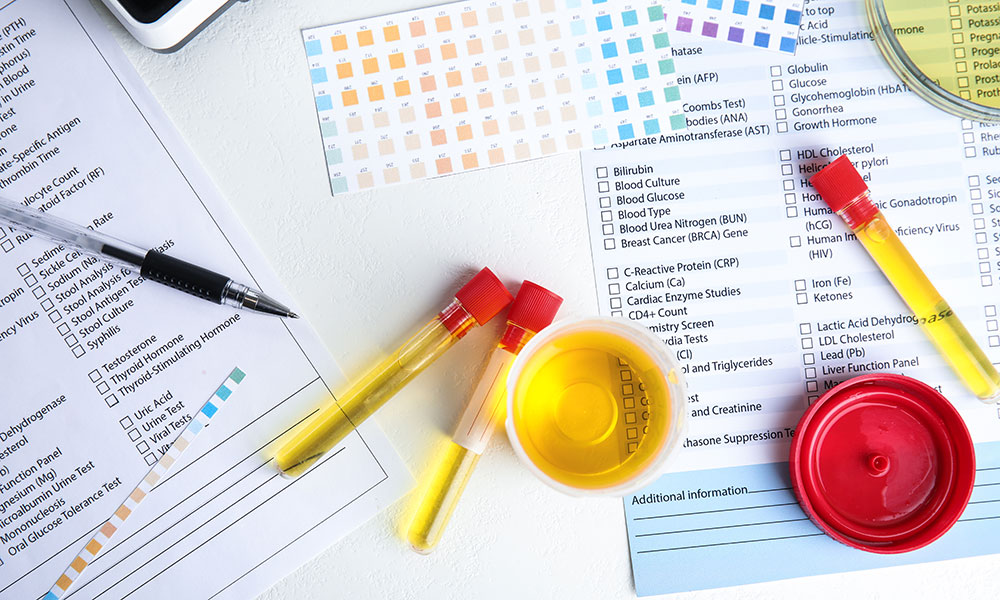
How Long Do Barbiturates Stay in Your Urine?
Barbiturates may be detected in urine tests for extended periods of time. The most commonly used method for detecting drugs is through urine testing due to its relatively low cost, ease of collection, and longer detection times when compared to blood testing.
| Drug | Detection Time for Urine Testing |
| Phenobarbital | Generally from 10 to 20+ days (longer, however, at higher doses and/or using certain types of testing methods) |
| Butalbital | Detected in urine for approximately 1 week |
| Pentobarbital | ≈ 3 days |
| Secobarbital | ≈ 3 days |
| Amobarbital | ≈ 3 days |
Research indicates that metabolites of various sedatives continue to accumulate in urine and are detectable longer than those present in blood.[5] This occurs as the kidneys remove the compounds from the bloodstream and concentrate them.
False positives or negatives can occur during an initial screening test, which is why laboratories usually conduct confirmatory testing utilizing techniques like gas chromatography-mass spectrometry (GC-MS) or liquid chromatography-tandem mass spectrometry (LC-MS/MS).[14] While each estimated detection window is an average, actual results depend on both the amount of medication taken and the individual’s rate of metabolism.
Do Barbiturates Build-Up in the Body With Repeated Use?
Yes. Some barbiturates do build up in the body if you have taken your last dose prior to the first dose completely leaving your system. Drug accumulation occurs when a person is taking multiple doses of the same type of barbiturate too quickly for the body to get rid of the excess; each subsequent dose builds on the remaining level of the previous doses, resulting in rising levels of the drug.
Longer-acting drugs such as Phenobarbital tend to be more likely to accumulate due to their longer half-life. For example, if you were prescribed Phenobarbital daily, it could take anywhere from several days to many weeks to stabilize and reach a steady-state, which is the point at which the total amount of the medication taken is equal to the amount of the medication being removed from your system. Because barbiturates are prescribed less commonly today and can accumulate with repeated use, patients who do receive them should be monitored carefully, particularly when treatment begins or the dose is changed.
Why does this matter? Increased amounts of barbiturate in your system may result in increased sedation, increased risk of overdose, and longer duration of detection on a drug test.[6]
How Long Do Barbiturates Effects Last?
There is a common misconception that as soon as the apparent effects of a barbiturate stop occurring, the medication will be gone from the body.
The truth is, there is often a significant time frame between the time an individual stops feeling the effects of the medication and the time it has left their body. Clinical signs such as drowsiness or sedation and other side effects may disappear well before all of the medication has been removed from the body.
Even though an individual may feel like they are back to normal, drugs are continually leaving the body at a slow rate. As a result of this process, a person could still test positive for barbiturates several hours, days, or weeks after they last took them. The difference between how someone may be feeling and how much of a drug remains in their body is one reason that detection times for medications become important for reasons such as safe practices, medical surveillance, and treatment planning.
When to Seek Medical Help Due to Barbiturate Use
Certain symptoms related to the use of barbiturates should never be dismissed. Symptoms of a barbiturate overdose may include:
- Extreme drowsiness
- Problems breathing
- Difficulty rousing someone
- Slurred speech
- Disorientation
Barbiturates pose an increased risk of overdose when the drug use is combined with other substances such as alcohol, benzodiazepines, opioids, and sleep aids. When combining barbiturates with these substances, the risk of respiratory depression increases dramatically. If you believe someone is experiencing a barbiturate-related overdose, do not wait to see if their condition improves. Immediately call 911 or seek immediate emergency help.
Concerned About Barbiturate Use? Help Is Available
The amount of time that a barbiturate will stay in an individual’s system generally correlates with the duration of action of the specific medication taken.
For example, phenobarbital is typically in the system longer than other forms of barbiturates. Barbiturates’ presence in an individual’s system also varies based on which type of specimen (such as urine, blood, saliva, or hair) is used for testing purposes. Metabolism, age, and liver function can also affect how long it takes to eliminate the substance from the body.
Never discontinue taking any barbiturate without consulting a physician. If you or a loved one has a concerning relationship with barbiturates or another prescription drug, reach out to Epiphany Wellness today. Our admissions team is available to answer any questions you have, walk you through your options, and help you take the next step.
Frequently Asked Questions About How Long Barbiturates Remain In Your System

Schedule a Free and Confidential Consultation with Epiphany Wellness
 609-710-9423
 info@epiphanywellness.com