
Can You Mix Adderall and Alcohol? Everything You Need To Know


Dr. Po Chang Hsu MD, MS
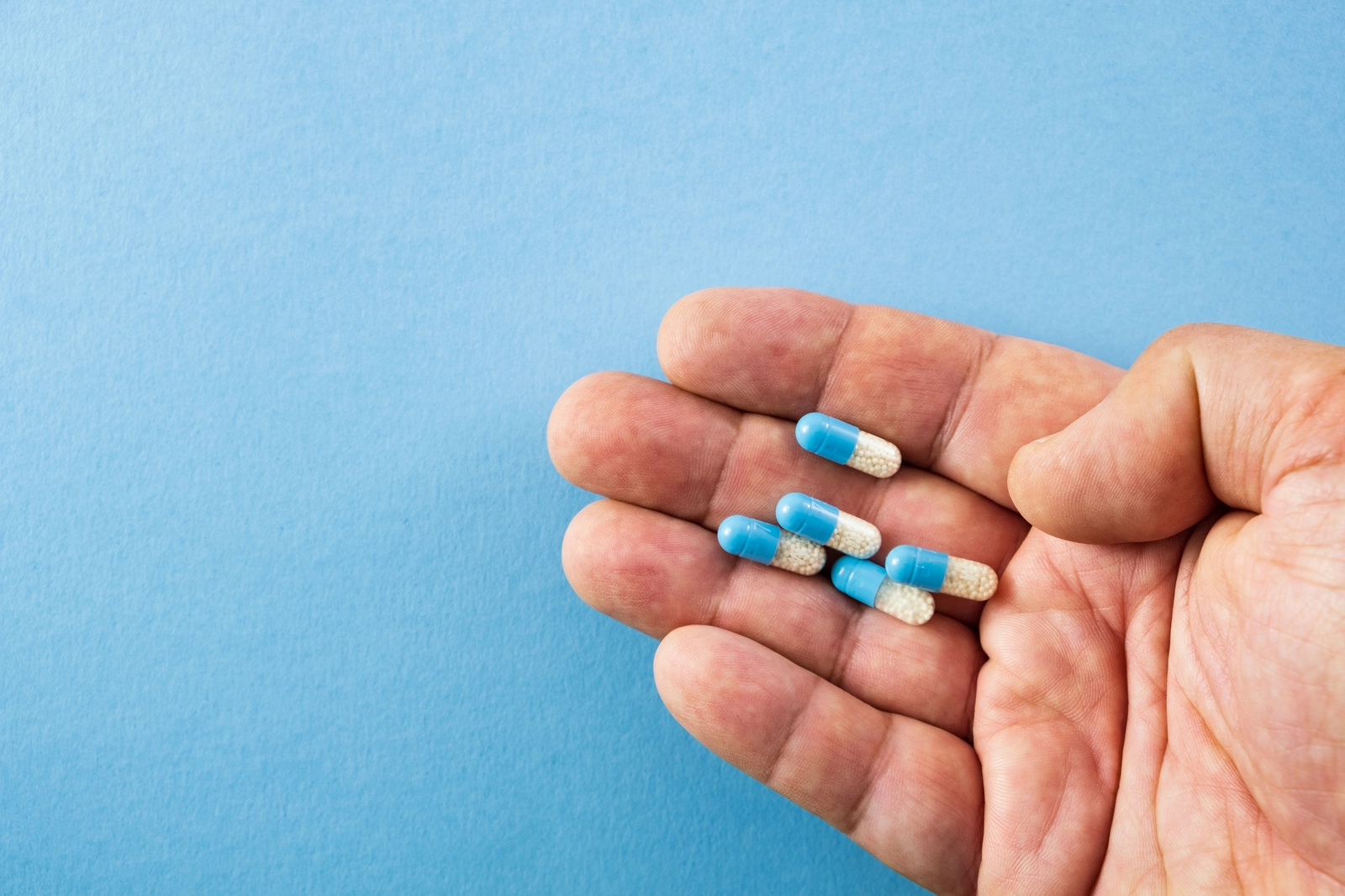

- Adderall is a CNS stimulant that contains both amphetamine and dextroamphetamine and is a Schedule II controlled substance.
- Adderall influences the neurotransmitters and chemicals in the brain responsible for modulating hyperactivity and impulse control.
- Alcohol is a central nervous system (CNS) depressant that can damage brain cells, lead to neuronal injury, cause cognitive impairments, and increase the risk of seizures.
- Some possible reactions when mixing alcohol with Adderall include dizziness, drowsiness, impaired concentration, increased risk of heart problems, liver damage, and more.
Mixing any substances without consulting a physician is not recommended. Adderall and alcohol have opposite effects on the central nervous system (CNS), as one is a stimulant (Adderall), and one is a depressant (alcohol). The potential effects of mixing Adderall and alcohol range from unwise to dangerous.
Why Is It Dangerous To Consume Adderall and Alcohol Together?
Adderall is a CNS stimulant that contains both amphetamine and dextroamphetamine. It’s a Schedule II controlled substance with a high potential for dependence and misuse.[1] Mixing stimulants like Adderall and alcohol can be dangerous and even life-threatening, as it can influence neurophysiological dysfunctions, heart problems, and increased toxicity.[2]
The combination could also alter how your body metabolizes stimulant medications, leading to a higher blood concentration, which can amplify its effects. This interaction can aggravate the various health risks associated with both alcohol and Adderall as individual substances.[3]
The Effects of Adderall
As a central nervous system (CNS) stimulant, Adderall influences the neurotransmitters and chemicals in the brain that are responsible for modulating hyperactivity and impulse control.[4] These intended effects are beneficial for its prescribed purpose to treat the symptoms of Attention Deficit Hyperactivity Disorder (ADHD) and narcolepsy.
By altering the neurotransmitters and chemicals in the brain, Adderall increases alertness, focus, and concentration and reduces hyperactivity and impulsivity. Side effects of Adderall use include:[5]
- Increased heart rate
- Elevated blood pressure.
- Mood swings
- Feeling nervous
- Anxiety
- Headaches
- Dizziness
- Sleep disruption
- Dry mouth
- Loss of appetite
The Effects of Alcohol
Consuming alcohol on its own negatively impacts several human body systems. Alcohol is a central nervous system (CNS) depressant that can damage brain cells, lead to neuronal injury, cause cognitive impairments, and increase the risk of seizures.[6]
It can also negatively impact the cardiovascular system by causing elevated blood pressure and increasing the risk of heart arrhythmias, cardiovascular disease, and stroke. There is also the potential for severe damage to the digestive system, the pancreas, and the liver, and an increased risk of several different types of cancer.[7] Alcohol can also weaken the immune system and lead to birth defects if one is pregnant.
These physical effects of alcohol can also impact one’s overall health, life, and regular routines. Social, psychological, and economic problems are not uncommon in those who chronically consume alcohol. Side effects of alcohol use include:[8]
- Impaired motor coordination
- Sedation
- Unconsciousness
- Mood swings
- Elevated blood pressure
- Heart arrhythmias
- Suppressed immune response
- Inflammation
- Reduces inhibitions and impairs judgment
- Risky behavior
- Induces anxiety
- Induces depression
Interactions and Side Effects
Unfortunately, Adderall and alcohol share many of the same effects (elevated blood pressure, mood swings, anxiety, etc.) This means that drinking alcohol while taking Adderall can worsen those effects and be potentially dangerous. Some possible reactions when mixing alcohol with Adderall include:[9]
- Dizziness
- Drowsiness
- Impaired concentration
- Increased risk of heart problems
- Liver damage
Additionally, prescription stimulants containing amphetamines taken with alcohol may increase in party life activities, higher levels of alcohol consumption, and an increased risk of greater harm due to potential alcohol abuse or alcohol poisoning.[10]
Why Do People Mix Adderall and Alcohol?

People may mix Adderall and alcohol for different reasons, but none of them make the combination safe. In college or work settings, some people misuse Adderall as a “study drug” to stay awake longer, focus for extended periods, or push through fatigue. If drinking happens afterward, they may not realize how much stress they are putting on the body.
Party environments can also increase the risk. Because Adderall is a stimulant, some people take it to stay alert while drinking or to keep partying longer. Others believe stimulants “cancel out” alcohol because they feel more awake, less sleepy, or more in control. This is a dangerous misconception. Feeling alert does not mean alcohol is no longer affecting judgment, coordination, reaction time, or blood alcohol concentration.[11]
Some people may also mix Adderall and alcohol because they want to drink more without feeling drunk. This can raise the risk of binge drinking, alcohol poisoning, risky behavior, heart problems, and substance misuse.[12] If someone regularly uses Adderall to change how alcohol feels, or uses alcohol to come down from Adderall, it may be time to seek professional support.[13]
How Does Alcohol Affect ADHD?
Studies have been done to explore and confirm the clinically meaningful link between alcohol use and ADHD. The findings support the theory that ADHD often influences alcohol use disorder and other substance use disorders. Additionally, many ADHD patients begin drinking at a younger age, escalate into alcohol abuse more rapidly, and may experience more severe alcohol use disorder-related challenges than those without ADHD.[14]
The potential side effects or symptoms of alcohol for a person suffering from ADHD may include:[15]
- Further attention and focus impairment
- Greater functional impairment
- Higher potential for self-medication (with alcohol)
- Increase in impulsivity (when drinking)
- Low treatment adherence
- More challenges at work, school, and in relationships
- Reduced treatment effectiveness
- Social and legal issues, potentially more than others
- Worse ADHD symptoms
Can I Drink Alcohol After Adderall Wears Off?
Most prescriptions are once to twice daily or at intervals of 4-6 hours. Depending on the dose prescribed and the dosing schedule for each patient, how long Adderall remains in the system may vary. This means it is difficult to determine when or if it is safe to drink alcohol. However, due to the effects and health risks, it is generally not recommended for anyone to drink alcohol at all while taking Adderall.
Using Adderall and Alcohol Safely
The best way to address medication and substance use concerns is to consult with an addiction treatment professional or your primary care physician. You can also stay informed about the latest studies in research regarding the effects of alcohol, the effects of Adderall, and the impact on your health.
It’s important to know the risks of combining these substances and any potential consequences before taking action. If you or a loved one has a pattern of polysubstance abuse or mixing alcohol with prescription stimulants, monitor symptoms and seek emergency medical treatment or call 911 if needed.
What Are the Side Effects of Adderall Abuse?
Prescription stimulants are medications known to increase alertness, energy, focus, blood pressure, heart rate, and breathing, and stimulants prescribed for ADHD are among some of the most abused substances overall.[16] Someone struggling with Adderall abuse may experience some or all of the following symptoms[17]:
- Anxiety and nervousness
- Blurred vision or altered vision
- Chest pain and risk of heart attack
- Dizziness and headaches
- Dry mouth
- High blood pressure
- Increased heart rate
- Insomnia
- Mood swings (aggression, hostility, etc.)
- Hallucinations, psychosis, paranoia, and confusion
- Loss of appetite
- Stomach pain and digestive issues
- Seizures and muscle twitches
- Numbness or pain in fingers or toes
- Weight loss
What else should I not mix with Adderall?
It’s never recommended to mix any prescription medications or other substances, including some over-the-counter Adderall alternatives, without the guidance or approval of a physician. Substances that should not be mixed with Adderall include [18]:
- Monoamine oxidase inhibitors (MAOI)
- Tricyclic antidepressants
- Opioids
- Migraine drugs
- Anxiety medications
- Wellbutrin
- Weight-loss drugs
- Selective serotonin reuptake inhibitors (SSRIs, antidepressants) Serotonin-norepinephrine reuptake inhibitors (SNRIs, antidepressants)
- Trazodone
- Antacids
- Blood pressure drugs
- Herbal supplements, including tryptophan, St. John’s wort, Vitamin C, etc.
- Caffeine
Many of these are considered as good natural or over-the-counter alternatives to prescription stimulants, but that does not mean they are safe to take with Adderall.[19] Some can interact with Adderall or affect how it works, so it’s important to talk with your doctor before combining Adderall with any medication, supplement, or other substance.
Get Help For Adderall Abuse
If you or a loved one are struggling with ADHD, Adderall abuse, or alcohol misuse—or all three, there is hope for you. Holistic interventions address both the underlying mental health issues as well as the presenting alcohol or substance misuse. With evidence-based treatment and a supportive community, you or your loved one can find healing and restoration without sacrificing physical or mental health needs.
Frequently Asked Questions About Mixing Adderall and Alcohol
Are you or a loved one struggling with Adderall® addiction?

Schedule a Free and Confidential Consultation with Epiphany Wellness
 609-710-9423
 info@epiphanywellness.com