
Cocaine and Alcohol: Interactions and Risks


Dr. Po Chang Hsu MD, MS
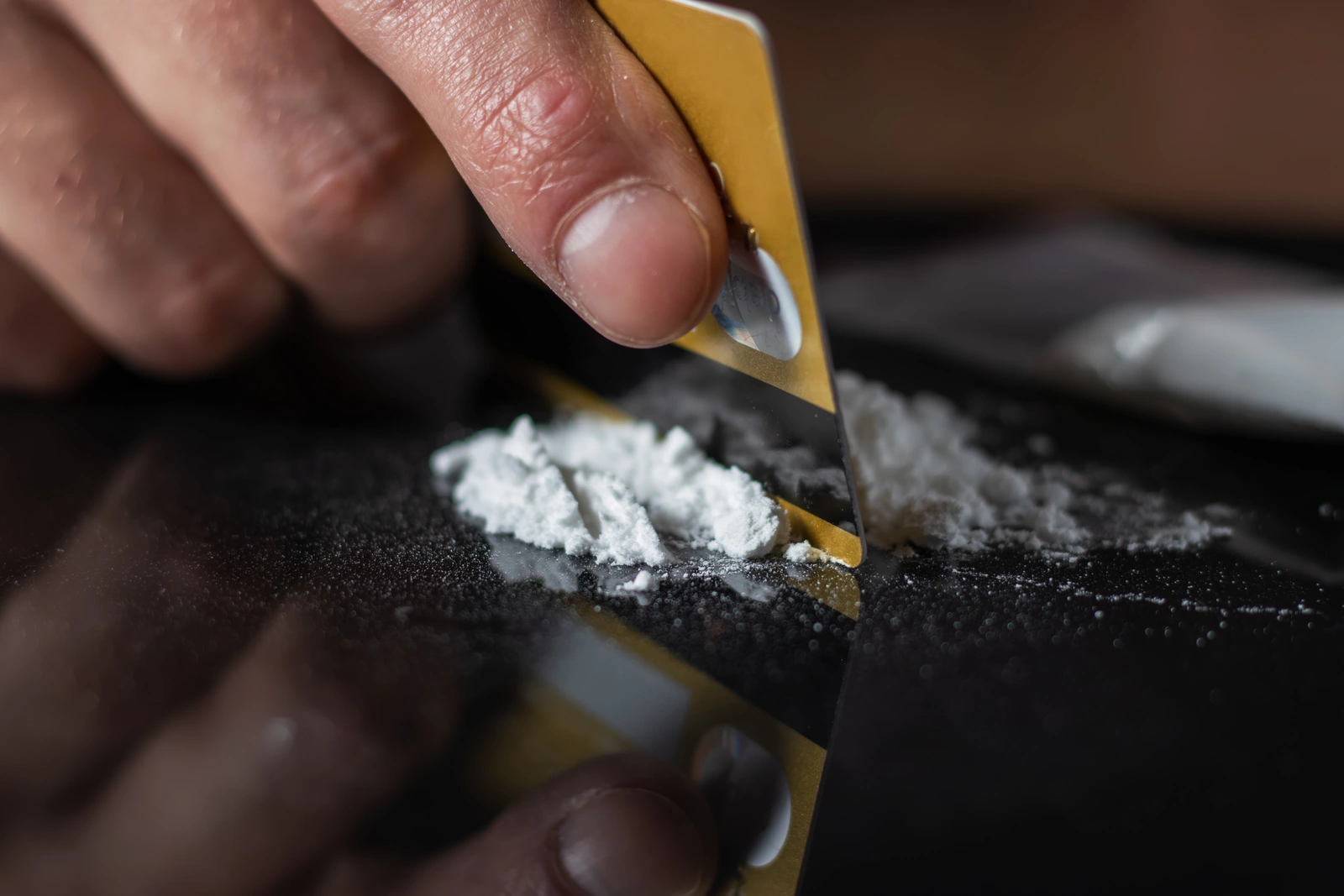

- Cocaine and alcohol are two commonly abused substances that can have dangerous interactions.
- Cocaine is a stimulant, and alcohol is a depressant, which can create unpredictable effects when combined.
- The byproduct of cocaine and alcohol is cocaethylene, a toxic chemical that’s similar to cocaine with more intense effects and risks.
- Both alcohol and cocaine can lead to dependence, which increases the risk of addiction or polysubstance use disorder, though the time to develop dependence varies based on individual use patterns.
Cocaine and alcohol are two commonly used – and sometimes abused – substances that vary in legality, availability, and safety. Alcohol is legal for people 21 years of age and older in the US. It can be purchased in bars, restaurants, liquor stores, and some grocery stores. Conversely, cocaine is an illegal drug that’s used recreationally. It’s not legal to use anywhere in the US at any amount.
Some people mix alcohol and cocaine to get the combined effects of stimulants and depressants. However, doing so can amplify adverse effects or lead to unpredictable and dangerous results.
Effects of Alcohol and Cocaine Combined
Cocaine and alcohol are different types of drugs with unique effects on the body and mind.
Alcohol is classified as a central nervous system depressant that slows brain communication. Alcohol affects people differently, but many people use alcohol at some point and experience similar effects that include [1]:
- Slurred and slowed speech
- Reduced reaction times
- Balance issues
- Impaired decision making
In large quantities, alcohol use can lead to intoxication and a possible overdose (alcohol poisoning). The symptoms of alcohol poisoning may include [2]:
- Slowed or irregular breathing
- Vomiting
- Passing out
- Slow heart rate
- Low body temperature
Cocaine, on the other hand, is a central nervous system stimulant that speeds up brain communication and changes the amount of dopamine in the body, which is a neurotransmitter that plays a role in emotions, pleasure, and motivation.
In small amounts, cocaine can have effects like [3]:
- Euphoria
- Energy
- Talkativeness
- Alertness
- Sensitivity to sight, sound, and touch
- A high body temperature
Using large amounts of cocaine can produce more pronounced effects like [4]:
- Restlessness
- Anxiety
- Panic
- Irritability
- Anger
- Paranoia
- Higher heart rate
- High blood pressure
Cocaine is an addictive substance that can cause significant medical problems, including heart attack, stroke, and seizures. Cocaine overdose is possible and life-threatening, and chronic cocaine use can lead to impaired brain function and long-term effects.
Dangers of Mixing Cocaine and Alcohol

People may abuse substances for different reasons, but alcohol and cocaine are commonly mixed recreationally. It could produce more powerful effects of intoxication, which can occur when alcohol and cocaine combine and create cocaethylene, a psychoactive substance that’s similar to cocaine.[5]
Mixing stimulants and depressants like cocaine and alcohol can be used to offset the effects of each substance. Cocaine may mask the intoxication of alcohol, making you feel more alert and coordinated despite high blood alcohol levels. Similarly, alcohol may allow you to consume more cocaine without feeling overly restless and alert.
In some cases, alcohol may be used to manage the effects as cocaine wears off, which can include restlessness, irritability, and general discomfort.
Because cocaine is a stimulant and alcohol is a depressant, some people think they can be used to balance each other out. However, this may not occur. These drugs can combine in unpredictable and dangerous ways. Some of the risks of combining alcohol and cocaine include:
Adverse Health Effects
Using cocaine with alcohol can make it difficult to determine how intoxicated you are. As the two substances mask the effects of the other, you may drink more alcohol or use more cocaine than you should, leading to possible overdoses.
Mixing two substances can also have amplified effects, such as [6]:
- Increased or irregular heart rate
- High blood pressure
- Dehydration
- Slowed breathing
There can be concerning mental health effects as well, including violent behaviors – which occur with both substances on their own – and an increased risk of self-harm.[7]
The Risks of Cocaethylene
When cocaine and alcohol are used at the same time, the liver processes them together and creates an entirely new, highly toxic chemical called cocaethylene. It is the only known instance where the human body manufactures a third, more dangerous psychoactive substance from mixing two drugs.[8]
Cocaethylene poses far greater health risks than using either cocaine or alcohol alone for several reasons:
- Extended Half-Life: Cocaine clears the body relatively quickly, with a half-life of about one hour. Cocaethylene, however, has a half-life of 2.5 to 3 hours. Because it stays in your bloodstream nearly three times as long, it subjects your heart and organs to prolonged toxic exposure.
- Severe Cardiotoxicity: Cocaethylene is significantly more toxic to the heart than cocaine alone. Studies suggest combining cocaine and alcohol increases the risk of sudden cardiac death by 18 to 25 times compared to taking cocaine by itself.[9] It drastically increases blood pressure, restricts blood flow, and disrupts the heart’s electrical rhythms, frequently triggering fatal arrhythmias, heart attacks, or strokes.
- Enhanced Dopamine Blockade: Cocaethylene binds even more aggressively to dopamine transporters in the brain, blocking dopamine reuptake and creating a longer, more intense euphoric high.[10] This heightened high comes with a severe psychological crash, driving intense cravings and a much higher risk of addiction.
- Increased Liver Toxicity: The liver works overtime to metabolize both substances and the resulting cocaethylene, putting extreme metabolic strain on liver cells and increasing the risk of acute hepatic injury over time.
Treatment for Cocaine and Alcohol Addiction
Polysubstance use, or polydrug use, is the consumption of more than one drug at the same time, such as cocaine and alcohol. If you have an addiction to more than one substance, it’s known as a polysubstance use disorder.
When two substances are involved in addiction, the treatment can be more complex. Both cocaine and alcohol can cause dependence quickly, which is when the body becomes used to the presence of a drug and needs it to function properly. If you are dependent on alcohol, cocaine, or both, you’re likely to experience withdrawal if you stop using them.
Cocaine withdrawal is often uncomfortable, but it’s not typically life-threatening, though it can lead to severe psychological symptoms that may require medical supervision. Alcohol is associated with severe and potentially fatal withdrawal, however, which can include life-threatening seizures and delirium tremens. If you struggle with polysubstance abuse, it’s crucial to undergo medical detox with medical monitoring to manage the symptoms of withdrawal, prevent complications, and keep you as safe and comfortable as possible.
While detox is an important first step, it doesn’t treat addiction on its own. It’s important to enter an addiction treatment program after detox to address the underlying causes of addiction and understand the thoughts, emotions, and behaviors that contribute to it.
Addiction treatment can take place in an inpatient or outpatient setting with a range of tailored treatment options, including behavioral therapies, individual and group counseling, and medication-assisted treatment (MAT). While medications aren’t typically used for stimulant addiction treatment, some medications can help with alcohol withdrawal and cravings.
Get Help for Polysubstance Abuse
Mixing substances like cocaine and alcohol can cause unpredictable and life-threatening effects. Adding a stimulant like cocaine to a depressant like alcohol won’t balance out the effects. Instead, one substance may mask the effects of the other, making it difficult to moderate use and leaving you at risk of serious complications. If you engage in polysubstance abuse, it’s important to seek addiction treatment as soon as possible to avoid these risks.
Frequently Asked Questions About Cocaine and Alcohol
Are you or a loved one struggling with Cocaine addiction?

Schedule a Free and Confidential Consultation with Epiphany Wellness
 609-710-9423
 info@epiphanywellness.com