
How Long Does Valium Stay in Your System?


Dr. Po Chang Hsu MD, MS
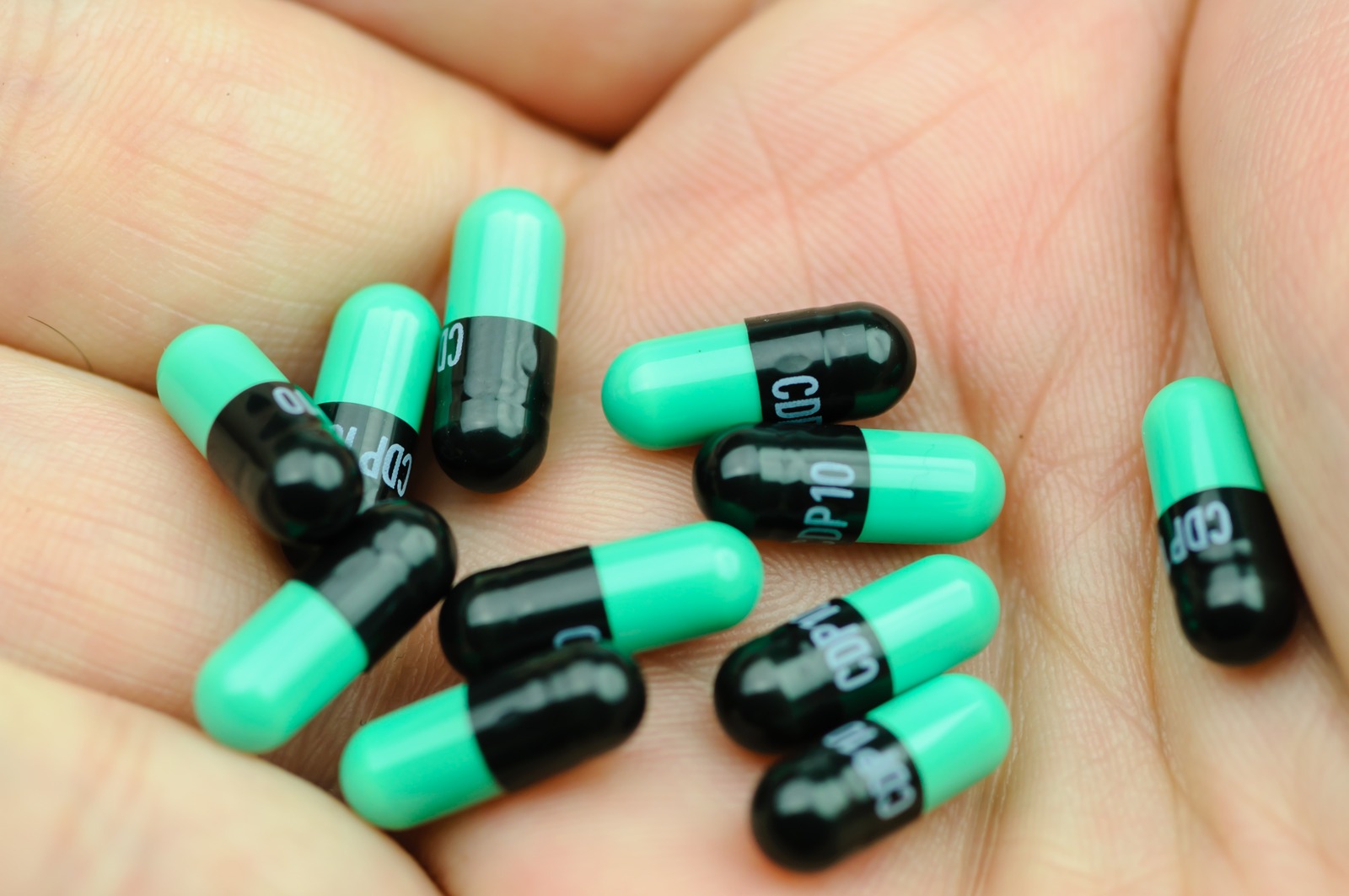

- Valium is a long acting benzodiazepine medication, which means it can stay in your system longer than some other benzodiazepines.
- Valium’s half-life is long, and several active metabolites can remain in the body after the main effects fade.
- Valium can be detectable in urine tests, blood tests, saliva tests, and hair follicle tests long after effects fade, though exact time varies based on dose, frequency of use, liver function, age, body composition, and the type of test used.
- Taking higher doses, using frequent doses, or using Valium for an extended period can increase the risk of Valium dependence and withdrawal symptoms.
- Stopping Valium suddenly can cause diazepam withdrawal, benzodiazepine withdrawal, and severe symptoms that may require medical detox.
- Addiction treatment can help people manage Valium addiction, withdrawal risks, mental health symptoms, and long-term recovery.
Valium (diazepam) is a widely prescribed benzodiazepine that provides rapid relief from conditions like anxiety, muscle spasms, and seizures.
But while its immediate calming effects may wear off in a matter of hours, the drug itself does not simply disappear. For anyone who is navigating a prescription change, medication safety concerns, or an upcoming drug screen, wondering exactly how long it stays in your system is valuable information to have. This article will cover how your body processes Valium, how long it can be detected by different tests, and factors that could change those windows.
What Is Valium?
Valium is the brand name for diazepam, a prescription benzodiazepine drug used to treat anxiety disorders, alcohol withdrawal symptoms, muscle spasms, seizure disorders, and sedation before certain medical procedures.[1] Because Valium affects the central nervous system, it can reduce anxiety, relax muscles, and calm overactive nerve activity.
Benzodiazepines work by increasing the effects of gamma-aminobutyric acid, or GABA, a chemical messenger that slows activity in the nervous system.[2] This calming effect can help treat anxiety, alcohol withdrawal, muscle spasms, and seizure-related conditions.
Valium may be prescribed for short-term treatment, acute symptoms, or specific medical uses. However, Valium is also a Schedule IV controlled substance, which means it carries risk for drug abuse, physical dependence, withdrawal symptoms, and benzodiazepine addiction.[3] For this reason, using the medication for an extended period can lead to dependence, tolerance, and withdrawal symptoms when the dose is reduced or stopped. The risk is higher with higher doses, frequent doses, other benzodiazepines, alcohol, opioids, or other central nervous system depressants.
How Long Does Valium Stay in Your System?
Valium can stay in your system for several days or longer, depending on the person and the test. The noticeable effects of Valium may wear off within hours, but the drug remains in the body longer because it has a long half-life and produces active metabolites.
The Valium half-life is about 48 hours, and its active metabolite, desmethyldiazepam, has an extended half-life that may last up to 100 hours.[4] Half-life means the time required for the concentration of an active substance in the body to decrease by half.
Because of this long half-life, Valium may be detectable after the person no longer feels sedated. In people taking frequent doses, higher doses, or Valium over an extended period, the drug and its metabolites can build up, which may lengthen detection windows.
How Long Do the Effects of Valium Last?
Valium stays in your system for far longer than its effects last. The effects of Valium can last several hours, but the exact duration depends on the dose, route of administration, individual response, and whether other substances are involved. Many people feel the calming, muscle-relaxing, or sedating effects of Valium for about 4 to 12 hours, although residual drowsiness or slowed reaction time may last longer.
Valium affects the central nervous system, so its effects may include:
- Reduced anxiety
- Muscle relaxation
- Drowsiness
- Slower reaction time
- Impaired coordination
- Reduced muscle spasms
- Calming during alcohol withdrawal symptoms
- Sedation before medical procedures
- Relief from acute panic attacks in some treatment plans
The effects of Valium may last longer in older adults, people with liver function concerns, people with higher body fat percentages, people taking higher doses, and people using Valium with other drugs. Because Valium is a long acting benzodiazepine, the drug remains in the body after the strongest effects wear off.
Combining Valium with alcohol, opioids, sleep medications, muscle relaxants, or other central nervous system depressants can cause dangerous drug interactions. These combinations may increase the risk of extreme drowsiness, respiratory depression, overdose, and life-threatening complications.[5]
If Valium is being used for anxiety disorders, sleep disorders, alcohol dependence, or seizure disorders, a prescribing doctor should monitor side effects, dosage, and safety. Taking Valium more often than prescribed can increase the risk of physical dependence, Valium withdrawal, and Valium addiction.
How Long Does Valium Take to Work?

Valium usually begins working within 15 to 60 minutes when taken by mouth, although some people may feel effects sooner or later.[6] Peak blood concentrations after oral diazepam are generally reached within about 1 to 1.5 hours.[7]
How long Valium takes to work can depend on:
- Dose
- Route of administration
- Whether it is taken with food
- Age
- Body composition
- Liver function
- Other medications
- Other benzodiazepines
- Alcohol or other central nervous system depressants
- Whether the person has taken Valium before
- The condition being treated
Valium may be used to treat anxiety, muscle spasms, alcohol withdrawal, and seizure-related symptoms, but it should only be taken as prescribed. Taking extra doses to feel faster relief can increase the risk of adverse effects, benzodiazepine dependence, and overdose.
Some people misuse Valium because they want fast relief from anxiety, panic attacks, sleep problems, or emotional distress. Others may use it with alcohol or other drugs to intensify sedation. This can increase the risk of substance abuse, dangerous drug interactions, and benzodiazepine withdrawal when the person tries to stop.
Valium Detection Times Quick Reference Chart
Drug tests do not all look for Valium in the same way. Some tests detect diazepam itself, while others detect Valium’s active metabolites. Detection also depends on the cutoff level, the lab method, whether the person took a single dose or frequent doses, and whether the person has medical factors that slow elimination.
| Drug Test Type | General Detection Window | What to Know |
| Blood tests | Usually shortest, often recent use only | Blood tests are more often used for recent exposure, impairment, or therapeutic drug monitoring. |
| Urine tests | About 8 to 13 days after a single oral dose in one study [8] | Urine tests may detect diazepam metabolites longer than blood tests and are commonly used in drug testing. |
| Saliva tests | About 4 to 6 days after a single oral dose in one study | Oral fluid testing may detect diazepam or metabolites, but timing varies by test method. |
| Hair tests | Weeks to months, depending on hair length and testing method | Hair tests may show past exposure over a longer window, though they are not always used for routine testing. |
These are general detection windows, not guarantees. A person who takes Valium once may have a different detection window than someone taking higher doses or using Valium over an extended period.
Factors Affecting Valium Detection Times
Several factors can affect how long Valium stays in your system and how long drug tests may detect Valium. These factors can change how quickly the body absorbs, distributes, metabolizes, and eliminates Valium.
Dose and Frequency of Use
Higher doses and frequent doses can make Valium detectable for longer. When someone takes Valium before the last dose has cleared, the drug and its active metabolites may accumulate in the body.
Length of Valium Use
Long-term Valium use may extend detection windows. A person who takes Valium for an extended period may test positive longer than someone who took a single dose.
Liver Function
The liver metabolizes Valium. Liver disease, older age, or medications that affect liver enzymes may slow the body’s ability to eliminate Valium. If liver function is reduced, Valium may stay in the system longer and increase sedation risk.
Body Composition
Valium is lipophilic, meaning it can distribute into fatty tissue. Higher body fat percentages may affect how long Valium remains in the body for some people.
Age and Overall Health
Older adults may process Valium more slowly and may be more sensitive to side effects. Health conditions, kidney function, sleep disorders, mental health concerns, and overall metabolism may also affect how long Valium stays detectable.
Other Medications and Other Drugs
Other medications can affect Valium metabolism or increase adverse effects. Combining Valium with opioids, alcohol, sleep aids, muscle relaxants, or other central nervous system depressants can cause dangerous drug interactions and increase overdose risk.
Type of Drug Test
Urine tests, blood tests, saliva tests, and hair tests each have different detection windows. Hair follicle tests may show longer-term exposure, while blood tests are usually used for more recent use or medical evaluation.
Why Valium Can Be Detected After Effects Wear Off
A person may no longer feel Valium’s calming or sedating effects but still test positive because the drug remains in the body. This is especially true because Valium has several active metabolites with extended half-lives.
This difference can be confusing. How long the effects last is not the same as the amount of time it stays in your system. Effects may fade within hours, while detection windows may last for days or longer.
This is also why taking more Valium because it “wore off” can be risky. The drug may still be present in the body, and additional doses can increase the risk of oversedation, impaired coordination, respiratory depression, and physical dependence.
Valium Withdrawal and Detox
Valium withdrawal can happen when someone who is physically dependent reduces or stops the medication. Because Valium is a long acting benzodiazepine, withdrawal symptoms may begin later than they would with shorter acting benzodiazepines.
Possible withdrawal symptoms include:
- Rebound anxiety
- Panic attacks
- Insomnia
- Irritability
- Sweating
- Tremors
- Headaches
- Muscle spasms
- Nausea
- Trouble concentrating
- Sensory sensitivity
- Cravings
- Hallucinations
- Seizures
Benzodiazepine withdrawal can be serious. The FDA warns that abruptly stopping or rapidly reducing benzodiazepines after continued use can cause life-threatening withdrawal reactions.[9] Diazepam withdrawal may require medical supervision, especially after high doses, frequent doses, long-term use, or use with other drugs.
Medical detox or a medically supervised detox program can help manage withdrawal symptoms and reduce the risk of severe symptoms. A prescribing doctor or detox team may use a gradual taper, monitor vital signs, and provide support for anxiety, sleep, cravings, and mental health symptoms.
When Valium Use Becomes a Concern
Valium use may become concerning when someone feels unable to stop, takes higher doses than prescribed, mixes Valium with alcohol or other drugs, or continues using despite health, work, school, or relationship problems.
Signs of Valium addiction or benzodiazepine dependence may include:
- Taking Valium more often than prescribed
- Running out of medication early
- Using someone else’s prescription
- Needing higher doses for the same effect
- Feeling unable to function without Valium
- Experiencing withdrawal symptoms between doses
- Mixing Valium with alcohol, opioids, or other drugs
- Continuing use despite dangerous side effects
- Failed attempts to quit
- Cravings or loss of control
Valium addiction treatment can help address substance abuse, mental health concerns, alcohol dependence, co-occurring disorders, and addiction recovery. Treatment may include medical detox, therapy, medication management, relapse prevention, and ongoing recovery planning.
Treatment for Valium Addiction
Treatment for Valium addiction should address both physical dependence and the underlying reasons Valium use became difficult to control. Some people started taking Valium for anxiety disorders, alcohol withdrawal, muscle spasms, or sleep problems. Others may have begun misusing it to manage stress, panic attacks, or other mental health symptoms.
A treatment plan may include:
- Medical detox or supervised tapering
- Mental health assessment
- Individual therapy
- Group therapy
- Medication management
- Dual diagnosis care
- Relapse prevention planning
- Support for anxiety disorders or sleep disorders
- Ongoing recovery support
At Epiphany Wellness, we provide compassionate support for people struggling with Valium dependence, benzodiazepine addiction, and co-occurring mental health needs. We can help you understand treatment options, verify coverage with most major insurance providers, and take the next step toward safer recovery.
Frequently Asked Questions About Valium’s Detection Times
Are you or a loved one struggling with Valium usage?

Schedule a Free and Confidential Consultation with Epiphany Wellness
 609-710-9423
 info@epiphanywellness.com