


How Long Does Suboxone Stay in Your System? Effective Duration & Drug Test Detection


Dr. Robert Thompson
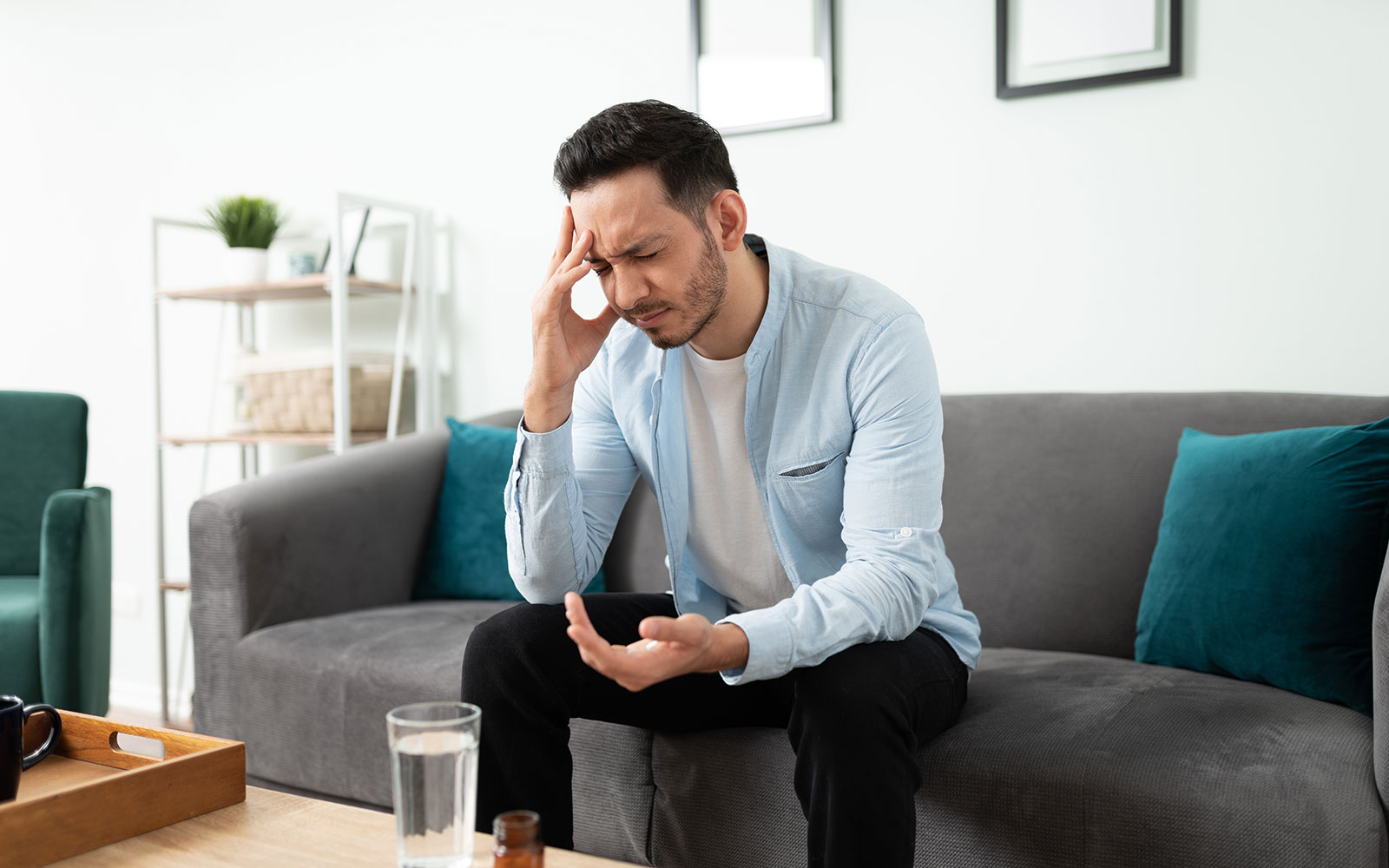

- Suboxone contains buprenorphine and naloxone. Buprenorphine is the main ingredient that affects opioid receptors and is typically detectable longer than naloxone.
- Buprenorphine is the primary ingredient responsible for Suboxone lasting in the body for multiple days due to having a relatively long half-life.
- Standard Urine Drug Testing (UDT) will generally detect buprenorphine and/or norbuprenorphine for approximately 7 days post-dosing, depending upon the UDT being utilized.
- The time frame for detecting buprenorphine will vary based on the dose administered, number of times per day the medication is used, last dose administered, individual metabolic rates, liver function, and the type of drug test being performed.
Suboxone can raise a lot of questions about duration and detection, especially for people taking it as part of treatment, preparing for a drug test, or wondering how long it takes to leave the body.
Many people report feeling the effects of Suboxone for a minimum of 24 hours after dosing; however, Suboxone’s active components and metabolites may continue to be detectable even after the subjective effects have diminished. Additionally, drug testing is an essential factor in determining the presence of Suboxone. Although standard urinalysis (UA) panels do not routinely include screening for buprenorphine, buprenorphine-specific screening may be ordered through a physician.[1]
How Long Does Suboxone Last in Your System?
Suboxone can be expected to remain active in your body longer than many short-acting opioids. Many individuals experience clinical benefits from Suboxone for at least 24 hours or longer. Due to its long duration of action, it is often prescribed to be taken once daily as part of maintenance treatment for opioid use disorder.
The length of time Suboxone remains in the body primarily relates to buprenorphine. Once administered, buprenorphine undergoes extensive biotransformation, primarily producing norbuprenorphine.
What Is the Suboxone Half-Life?
The half-life of buprenorphine in Suboxone contributes to its prolonged duration of action. The prescribing information for Suboxone lists the mean elimination half-lives of buprenorphine in Suboxone sublingual films as ranging from approximately 24 to 42 hours. The mean elimination half-lives for naloxone are reported to be significantly shorter. [2]
Because buprenorphine has a long half-life, it can keep affecting opioid receptors for an extended period. This extended interaction with opioid receptors is believed to contribute to its ability to reduce both opioid withdrawal symptoms and craving. The long half-life of buprenorphine may also explain why Suboxone may require several days to completely exit your body.
How Long Does Suboxone Take to Leave Your Body?
Although it is possible to provide an approximate timeline of when buprenorphine may begin clearing your system following discontinuation of Suboxone, there is no definitive or universal timeline for all individuals. Because buprenorphine has a variable half-life that ranges from approximately 24 to 42 hours, it is reasonable to expect that most individuals will require several days to allow the majority of the medication to clear from their systems after their last dose.
An estimated timeline for clearance might appear as follows:
- Approximately 24 – 42 hours: approximately half of the administered dose of buprenorphine remains in your system.
- Several days later: the amounts remaining in your system are substantially reduced.
- After about seven days, many people have cleared most of the medication, but urine testing may still detect exposure depending on the test and individual factors.
However, please note this is only an estimate. The timeframe for clearance may be extended based on:
- Higher doses
- Repetitive use of Suboxone
- Slower metabolism
- Liver dysfunction
Please do not discontinue your Suboxone abruptly without consulting with your healthcare provider. Sudden cessation can lead to withdrawal symptoms, increased cravings, elevated risk of relapse back to opioid use, and potentially serious consequences.
How Long Does Suboxone Stay in Urine?
Urine tests are among the most common forms of drug testing. A urine test may measure for buprenorphine or norbuprenorphine (its primary metabolite), depending on the type of panel.
As mentioned earlier, urine tests may detect the presence of buprenorphine or norbuprenorphine for several days after the last dose. According to Mayo Clinic Laboratories, urinary concentrations of buprenorphine or norbuprenorphine exceeding the laboratory limit of quantitation may suggest exposure occurred within 7 days.
Additionally, Labcorp reports they offer urine testing that screens for buprenorphine and will refer positive samples for confirmation testing to confirm the presence of buprenorphine and/or norbuprenorphine. [3]
Multiple variables will affect how long Suboxone remains detectable in urine tests, including:
- Dose
- Timing since last dose
- Frequency and length of Suboxone use
- Concentration of urine
- Amounts consumed
- Sensitivity of test
- Whether measuring for buprenorphine or metabolites
- Liver function
- Metabolic rate
- Any additional substances consumed
Trying to force Suboxone out of the body with excessive water, detox products, or internet methods is unreliable and may be unsafe.

How Long Does Suboxone Stay in Blood?
Blood tests typically have a shorter window of detection compared to urine tests for many substances. Blood testing may be used in medical, legal, or specialty toxicological scenarios; however, it is far less frequently employed than urine testing for general-purpose monitoring purposes.
Due to the long half-life of buprenorphine, it may be detectable in blood samples for a period of time post-administration; however, blood testing tends to be most effective close to the time of ingestion and relies heavily upon methodology.
How Long Does Suboxone Stay in Saliva?
Saliva testing (oral fluid testing) can be indicative of more recent consumption than urine testing in many instances; however, similar to urine testing, detection times will differ based on test type, dose administered, and timing of last administration.
Since Suboxone is often placed under the tongue or on the gum and mucous membrane surface area, salivary sampling may be influenced by recent dosing history. If you are considering obtaining a saliva-based test, consult with a qualified professional or laboratory expert regarding the interpretation.
How Long Does Suboxone Stay in Hair?
Hair testing represents another form of assessing drug-related exposure as well as consumption. While hair testing can demonstrate evidence of long-term exposure due to incorporation into hair as it grows, hair testing is not typically used as a tool to assess recent drug-related exposure.
Detection times can be longer compared to other forms of testing (e.g., urine, blood, and saliva), although timing will vary based on lab technique, hair specimen obtained, dose, timing, and consumption history.
Hair testing would not be considered an optimal option for routine monitoring purposes relative to Suboxone treatment.
Will Suboxone Show Up on a Drug Test?
Suboxone may show up on a drug test if the panel is designed to detect buprenorphine, naloxone, or norbuprenorphine. Many standard opioid panels focus on substances such as morphine and codeine, so a separate buprenorphine test may be needed.
In general, if you are taking Suboxone as directed by your doctor, inform any testing agency or medical review officer as requested. Do not cease taking your prescribed medication due solely to concerns about a drug test.
What Factors Influence Suboxone Detection Time?
The length of time Suboxone remains detectable will vary among individuals.
Variables influencing how long Suboxone remains detectable include:
- Dose (larger doses tend to remain detectable longer)
- Frequency of use (daily or chronic use extends the detection window)
- Last dose timing
- Liver function
- Metabolism
- Concentration or quantity of urine produced
- Sensitivity, testing criteria, methodology used
- Type or panel tested for
- Other chemicals, drugs, or substances consumed
Again, we cannot stress enough how important it is not to stop taking Suboxone abruptly without consultation with your doctor. Discontinuing use can result in withdrawal symptoms, cravings, relapse back to opioid use, or potentially serious complications.
Suboxone Use, Misuse, and Treatment Support
While prescribed to address opioid use disorders, Suboxone is still classified as a Schedule III controlled substance.[4] It should only be used as directed by your prescriber.
Potential reasons to be concerned include:
- Taking more than prescribed
- Running out before scheduled refill date
- Using Suboxone without a valid prescription
- Consuming alcohol or benzodiazepines while taking Suboxone
- Unable to stop, stabilize dosage, or taper despite desire
- Using opioids (such as oxycodone or heroin) while using Suboxone
- Experiencing persistent cravings or relapse
Suboxone use and/or misuse can be addressed through access to treatment programs providing medication-assisted treatment (MAT), counseling, therapy, support groups, outpatient, inpatient, aftercare, or mental health assessments.
Medications approved by the United States Food and Drug Administration for treating opioid use disorders include methadone, naltrexone, and buprenorphine. SAMHSA notes that these treatments aim to decrease cravings, reduce withdrawal symptoms, restore typical bodily functions, and encourage long-term recovery when provided as part of a comprehensive treatment plan. [5]
Treatment for Suboxone Dependence
If you are struggling with managing opioid use disorder, Suboxone use, or have addiction recovery concerns, support is available.
At Epiphany Wellness, we can assist you in addressing withdrawal symptoms, cravings, preventing relapse, managing mental illness issues, and creating strategies for long-term recovery.
Frequently Asked Questions About How Long Suboxone Stays in Your System
Are your or a loved one struggling with Suboxone use?

Schedule a Free and Confidential Consultation with Epiphany Wellness
 609-710-9423
 info@epiphanywellness.com