


Mixing Barbiturates and Alcohol: Dangers, Symptoms, and Life-Saving Advice


Dr. Faith A. Coleman, M.D.
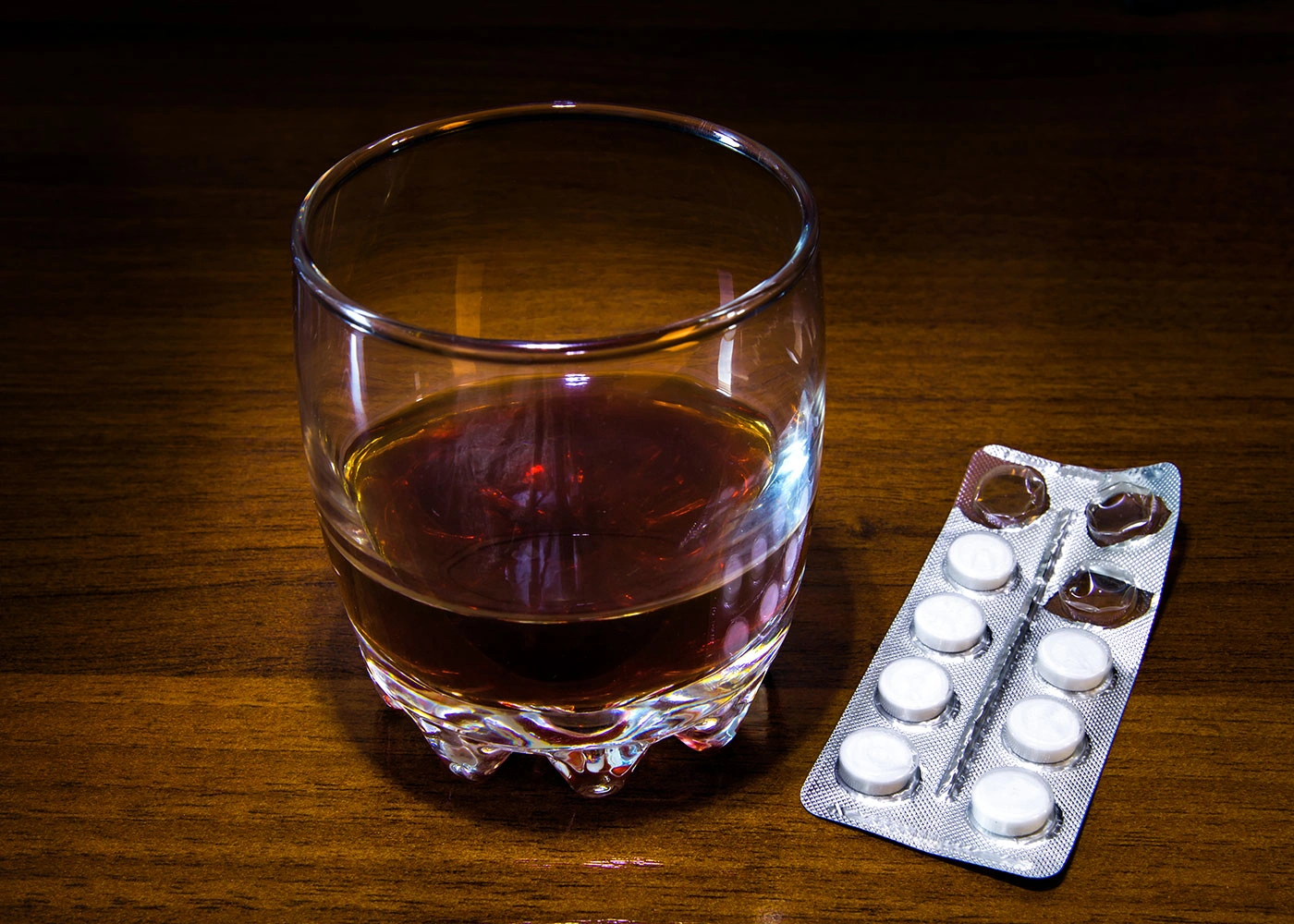

- Alcohol combined with barbiturates is called polysubstance abuse and increases the effect of both substances, making the combination dangerous.
- Barbiturates and alcohol are depressants of the central nervous system (CNS); when combined, there is a significantly greater risk of overdose.
- Mixing alcohol and barbiturates causes respiratory depression; this is the leading cause of death from mixing barbiturates and alcohol.
- Barbiturates have a very narrow therapeutic index; there is no antidote for barbiturate toxicity, and emergency treatment focuses on supportive care.
- Long-term mixing of alcohol and barbiturates can result in chronic liver damage, permanent cognitive impairment, and dual dependence on both substances.
- If you see someone exhibiting signs of an overdose, call 911 immediately — it could save their life.
This article is general information only. It is not medical advice.
Mixing barbiturates and alcohol can be fatal even in small quantities. Understanding why mixing is dangerous, recognizing symptoms, and knowing what to do in an emergency could mean the difference between life and death.
Understanding Barbiturate and Alcohol Use
Barbiturates are sedatives that depress the function of the brain and body and traditionally were prescribed to treat insomnia, headaches, anxiety, and seizures, but have almost completely ceased to be prescribed due to the development of safer alternatives. Similarly, alcohol acts as a CNS depressant, meaning that when someone combines them, the individual experiences a synergistic effect: the combined effect is greater than the sum of individual effects.
Why Do People Combine Barbiturates and Alcohol?
Taking barbiturates and alcohol together is polysubstance abuse. The reasons people may combine alcohol and barbiturates include augmenting the effects created by both, alleviating withdrawal symptoms related to either substance, or not being aware of the serious and significant danger of combining substances.
What Makes Combining Alcohol and Barbiturates So Dangerous?
Synergistic Depressant Interaction
Both barbiturates and alcohol depress the function of the CNS (brain and spinal cord), slowing essential bodily functions. The consumption of alcohol and barbiturates does not simply add to the effects of each other but, in fact, amplifies them. When someone mixes alcohol with barbiturates, even small amounts, they have the potential to experience extreme intoxication, extreme levels of sedation and drowsiness, extreme levels of impaired coordination, blackouts, and memory loss. Heart rate, blood pressure, and breathing can all slow to dangerous levels.
Research studies have shown that mixing the two increases the chance of overdose significantly.[1] In addition, there are no safe doses of mixed barbiturates and alcohol. Even small doses of both can lead to an overdose, and the brain’s response to this combination is unpredictable.
Increased Risk of Respiratory Depression
Respiratory depression, or shallow and inadequate breathing due to drug- or alcohol-associated slowing of the part of the brain that controls respiration, can lead to carbon dioxide accumulating in the body while reducing oxygen in the bloodstream.[2] Respiratory depression is the most frequent cause of death for individuals who have mixed alcohol and barbiturates and can occur quickly and without warning.
The Addictive Properties of Barbiturates Mixed with Alcohol
Using barbiturates and alcohol together greatly increases the likelihood of becoming dependent or addicted to barbiturates and/or alcohol due to the rapid onset of drug effects. When a person with dependence on both substances tries to stop, they face withdrawal from two powerful depressants at the same time. Withdrawal symptoms can include seizures, hallucinations, and delirium, and the process requires careful medical supervision to be managed safely.[3].
Symptoms of a Dangerous Interaction or Overdose
Acute Symptoms
The combination of alcohol and barbiturates can produce a dangerous reaction characterized by the following:
- extreme drowsiness
- impaired coordination
- extreme intoxication
- extreme levels of confusion
- poor judgment
- slurred speech
- memory problems
- blackouts
In even more serious cases, you may observe the following:
- hypothermia
- lethargy
- hypotension
- Labored, inadequate breathing
- extremely low heart rate
Extreme intoxication may progress to seizures or complete loss of consciousness if an overdose occurs.[4]
Signs of Barbiturate Overdose
Barbiturate overdose specifically can be recognized by altered consciousness, difficulty thinking clearly, faulty judgment, and a lack of coordination. Breathing may become shallow and slow, and speech may be hard to understand. Additional signs include nausea and vomiting, an irregular or slowed heartbeat, extreme thirst, very small pupils, cyanosis (a bluish tint to the skin or lips), vertigo, and confusion. It is worth noting that barbiturates have a narrow therapeutic index, meaning the dose that causes an overdose is only 3 to 5 times higher than the dose prescribed.[5]
Physical Health Effects Over the Long Term
Long-term polysubstance abusers of barbiturates and alcohol can have harmful effects on their bodies, including chronic liver damage, hepatitis, and liver failure. Additionally, individuals who engage in long-term use of both substances can develop cognitive (thinking) impairments, persistent memory issues, and chronic issues with coordination and movement. Prolonged alcohol and barbiturate use can lead to a range of harmful effects, including sexual dysfunction and chronic respiratory conditions such as pneumonia.
What to Do in an Emergency
Immediate Steps
If you believe that an individual is overdosing or has had an adverse drug interaction, call emergency services (911) immediately. Do not leave the person alone. Administer naloxone, in case narcotics were ingested. Monitor them for breathing and responsiveness, and try to keep them awake if possible. Collect as much information as possible to help responding medical services, including approximate age and weight, what substances were taken, and how much was consumed. If possible, gather all prescription and over-the-counter drug containers to the scene. Do not attempt to induce vomiting or give water, and do not give the person any other drugs except naloxone.
What to Expect at the Hospital
Emergency care may consist of activated charcoal being given to absorb as much of the drug as possible that is left in the gastrointestinal tract. In addition, the medical staff may provide breathing support through supplemental oxygen or a ventilator (breathing machine) and administer IV fluids. The medical staff may also provide medications to treat specific symptoms, such as seizures or low blood pressure. In some severe cases of overdose, dialysis may be used to filter toxins from the blood more quickly. Since there is no antidote for barbiturate toxicity, the ultimate goal of the medical staff’s efforts is to keep the patient alive long enough for their body to naturally metabolize the substances.
When to Seek Treatment for Addiction
If you are using barbiturates and alcohol together or if you are showing symptoms of withdrawal from using either substance, immediate medical attention should be obtained. Addiction is a medical condition that can be treated, and professional support greatly improves the likelihood of a safe and long-term recovery.
Prevention and Harm Reduction
If individuals mix barbiturates with other central nervous system depressants (e.g., opioids or benzodiazepines), they are still at risk of experiencing the same dangers associated with mixing barbiturates and alcohol; therefore, it is never safe to mix barbiturates with other depressants. Individuals who suffer from anxiety and/or sleep disorders should explore safer treatment alternatives, including newer medications that carry lower overdose risk, as well as evidence-based therapies such as cognitive behavioral therapy (CBT) and dialectical behavior therapy (DBT).
Get Help Now
If you know someone who is using both alcohol and barbiturates, consider reaching out for help today. Our compassionate team at Epiphany Wellness Centers provides medically supervised detox, evidence-based therapies, and dual diagnosis care. Visit our barbiturate addiction page to start your journey toward recovery.
Frequently Asked Questions
Are you or a loved one struggling with barbiturates?

Schedule a Free and Confidential Consultation with Epiphany Wellness
 609-710-9423
 info@epiphanywellness.com