
The Dangers of Combining Accutane and Alcohol


Dr. Po Chang Hsu MD, MS


- Doctors strongly advise that anyone taking Accutane (isotretinoin) not consume alcohol because of the excessive amount of stress it puts on the liver.
- Combining alcohol and isotretinoin increases your risk of developing severe liver problems, as well as dangerously high triglyceride levels.
- Common side effects of mixing Accutane and alcohol include dehydration, severe headaches, rapid spikes in liver enzymes, and gastrointestinal distress.
- Although one drink alone is not likely to be fatal, consuming large amounts of alcohol over time while taking Accutane may result in serious health issues including acute liver failure or pancreatitis.
- If you need help stopping drinking while undergoing isotretinoin treatment, there are many resources and professional treatment options available.
Accutane (isotretinoin) is considered by many to be a “miracle” cure for severe and persistent acne. However, the side effects that accompany the effectiveness of this medication require close adherence to medical guidelines.
While most people who take Accutane are familiar with the mandatory pregnancy prevention rules, few understand or underestimate the risks associated with using alcohol while on it. Since both isotretinoin and alcohol stress your liver’s metabolism, when combined they can turn an otherwise routine skin care treatment into a dangerous health condition.
Whether you want to know if it is safe to consume one drink or are trying to quit drinking during your Accutane regiment, having knowledge about how Accutane interacts with alcohol is key in protecting your health and ensuring that your treatment stays on course.
Can You Drink Alcohol While Taking Accutane?
No. You shouldn’t drink alcohol at all while you’re on Accutane.[1]
Dermatologists and other doctors advise you to completely stop drinking alcohol for the entire time of your Accutane treatment course.
This is because isotretinoin, the active ingredient in Accutane, and alcohol both strain your liver.[2] When these two substances are used together at the same time, they compete with each other for some of the same metabolic processes, greatly increasing the chances of liver damage, elevated triglyceride count, and developing significant adverse reactions.
Accutane and Alcohol Risks: Liver Toxicity and Hepatotoxicity
Your liver is responsible for processing both isotretinoin and alcohol.
Even in isolation, isotretinoin causes a temporary increase in liver enzymes in approximately 15% of users.[3] Alcohol causes direct cellular liver damage each time it is metabolized.
When you consume both Accutane and alcohol together, you double the amount of stress that is placed on each cell in your liver at one time, causing the following:
- Compounded Liver Strain: Accutane is a potent retinoid, and alcohol metabolizes in your liver into a toxic chemical byproduct called acetaldehyde. This combination puts an excessive workload on your liver cells, which increases your chances of developing acute liver inflammation.
- Elevated Liver Enzymes: Mixing these substances increases the risk of elevated liver enzymes. When your doctor conducts your blood test each month, if they find elevated levels of liver enzymes, they may stop giving you Accutane.
- Risk of Liver Toxicity: Although there have been few cases of permanent liver damage from taking Accutane alone, combining regular or heavy drinking with Accutane increases the risks associated with toxic hepatitis, fatty liver build-up, and long-term liver scarring.
Other Side Effects of Drinking Alcohol on Accutane
Accutane combined with alcohol does not just cause long-term harm internally; it can make you sick within hours.
Some of the most commonly experienced side effects from consuming both together include:
- Dehydration: Both Accutane and alcohol dehydrate the body. When taken together, their combined effects can lead to extreme dehydration, causing severe dry skin, cracked lips, dry and red eyes, and pain when trying to open or close the nasal passages or mouth due to the cracking of the mucous membranes.[4]
- Spiked Triglycerides (High Blood Fats): As an effect of taking Accutane, patients naturally experience elevated levels of fats, or lipids, in their bloods.[5] Drinking alcohol also raises lipids in the bloodstream. When taken together, they create dangerous levels of triglycerides which can put you at risk for developing acute pancreatitis, a painful pancreatic inflammation.
- Worsened Headaches and Dizziness: Both Accutane and alcohol affect water retention and blood flow in the body. Taking them simultaneously increases the frequency and severity of headaches, as well as dizziness and lightheadedness.
- Gastrointestinal Upset: Severe nausea, abdominal cramping, and stomach upset are all increased when oral isotretinoin interacts with alcohol.
- Intensified Mood Swings: Accutane and alcohol can both affect brain chemistry. Taken together, it raises the potential for sudden mood swings, depressive episodes, and severe anxiety.[6]
Will I Die If I Drink While on Accutane?
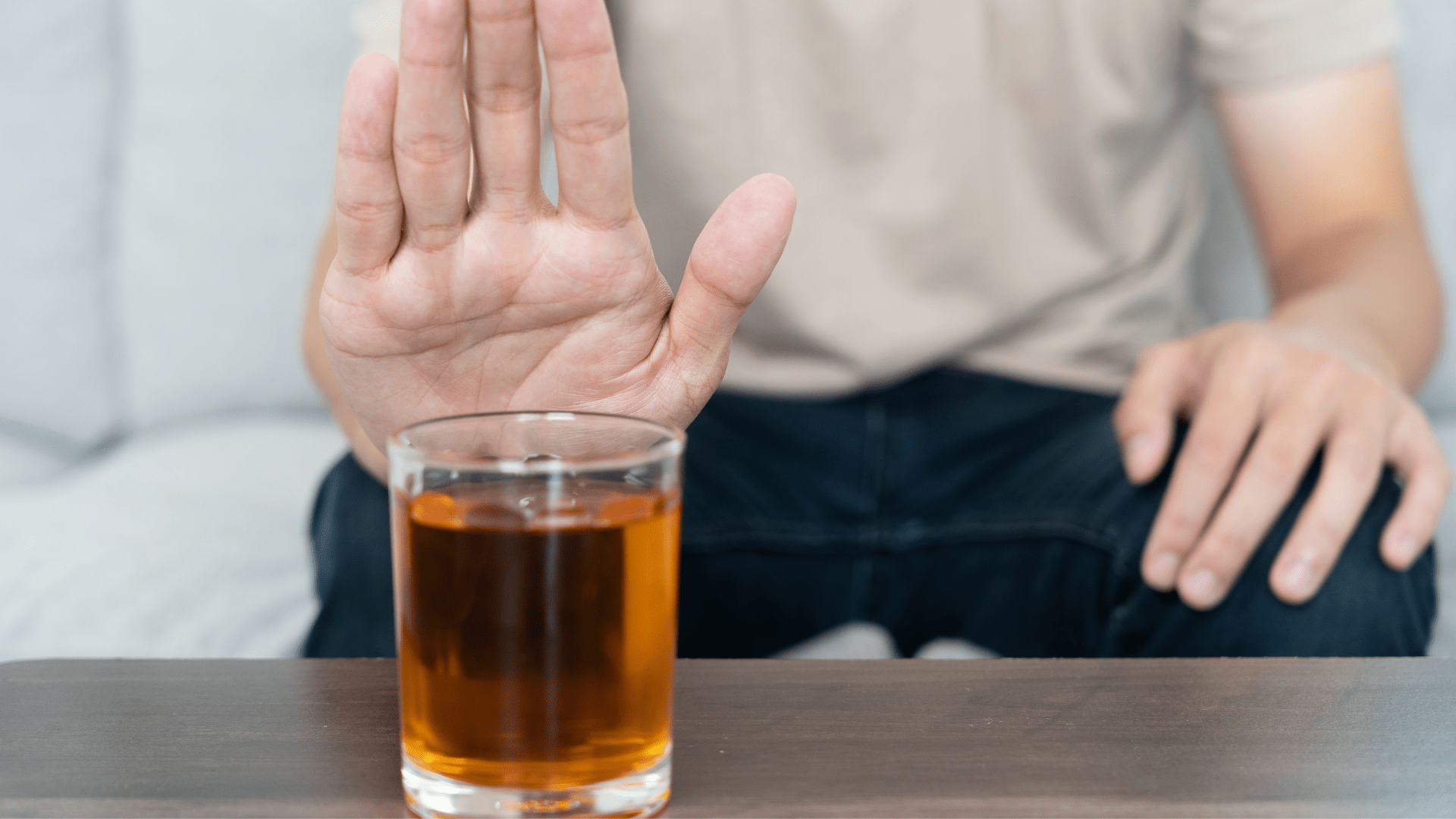
Forgetting about your Accutane and having a glass of wine at dinner or one beer at a ball game is very unlikely to be fatal.
However, heavy drinking, binge drinking, or long-term alcohol use while taking Accutane can be deadly. Heavy alcohol intake with Accutane can lead to serious medical emergencies including:
- Acute Liver Failure: Heavy alcohol consumption when your liver is already working at capacity to metabolize Accutane can lead to sudden, severe liver toxicity.
- Severe Pancreatitis: An acute spike in triglycerides due to consuming excessive amounts of alcohol and taking Accutane triggers acute pancreatitis. This creates internal hemorrhaging and possible systemic infections that result in multiple organ failure if it is not treated in an emergency room immediately.
- Alcohol Overdose and Hidden Intoxication: Taking Accutane alters how quickly your body metabolizes alcohol, making it more difficult to gauge your level of intoxication, which then increases your risk of accidental alcohol poisoning.
Mental Health Risks: How Alcohol and Accutane Impact Your Brain
Beyond the physical impact it has on your liver, when you mix Accutane and alcohol, you are putting yourself at an extreme risk for serious negative impacts to both your mental well-being and emotional stability.
Because of the number of documented cases of patients reporting psychiatric side effects during treatment with Accutane, such as rapid mood shifts, severe anxiety, depressive episodes, and persistent sadness, many dermatologists closely supervise their patients’ use of this drug.[7] Alcohol is also a powerful central nervous system depressant that lowers emotional control and deepens depression, which can cause people who drink to feel even more depressed after the initial effects of drinking begin to pass.
Combining these substances creates an additive effect on how your brain chemistry works:
- Alcohol intensifies the emotional low points that can occur on Accutane, turning mild irritability or a low mood into severe depressive episodes.
- Alcohol increases anxiety and panic attacks through dehydration, altering brain chemistry, and putting a significant amount of stress on the metabolism.
- The combination of reduced impulse control, impaired judgment, and lowered inhibitions caused by alcohol combined with potentially increasing dark thoughts or mood swings from Accutane can cause patients to engage in impulsive self-harm or suicide attempts.[8]
If you are noticing any extremely negative mood changes such as overwhelming sadness, or if you have thought about committing suicide while taking Accutane, notify your prescribing physician or mental health provider right away.
Treatment for Alcohol Addiction
Accutane requires monthly blood tests and strict medical check-ins.
Drinking excessively while on Accutane is not recommended and has the potential to negatively affect your ability to follow your prescribed skin treatment regimen and places you at risk for other health problems.
If you’re on Accutane and are finding it difficult to control your drinking, then it’s critical to get help before any long-term damage is done. And you don’t have to do this alone.
Epiphany Wellness is here to help you through it. We offer professional addiction treatment that can help you safely deal with an alcohol dependence issue with a personalized treatment plan built around your needs. Reach out to our admissions team today to learn more about your options and learn how to take your next step forward.
Frequently Asked Questions About Combining Accutane and Alcohol
 To guarantee that all of our information is accurate, we ensure that all our sources are reputable. That means every source is authenticated and verified to be backed only by medical science.
Epiphany Wellness Editorial Guidelines
At Epiphany Wellness, we take your health and wellness seriously. We have a thorough process in place to ensure the integrity of information that is displayed on our website. All content published to our site undergoes a rigorous medical review by a doctorate level clinician to ensure medical accuracy.
Read More About Our Process
Schedule a Free and Confidential Consultation with Epiphany Wellness
 609-710-9423
 info@epiphanywellness.com