
Prescription Antabuse, Generic Versions, and Other Drug Facts


Dr. Faith A. Coleman, M.D.


- Antabuse is a prescription medication containing disulfiram that helps people maintain sobriety by creating severe physical reactions when they consume alcohol, working by blocking an enzyme needed to metabolize alcohol properly.
- The medication demonstrates effectiveness rates of 60 to 70 percent when taken consistently as part of comprehensive treatment programs that include counseling and support services.
- Antabuse can cause various side effects even without alcohol consumption, including drowsiness, headaches, skin rash, and more serious complications like liver problems or peripheral neuropathy.
- Generic disulfiram provides the same therapeutic benefits as brand-name Antabuse while costing 80 to 85 percent less, making alcohol addiction treatment more accessible and affordable.
- Healthcare providers and doctors typically prescribe this medication after people achieve initial sobriety, using it as additional support to prevent impulsive drinking during recovery.
Antabuse is a prescription medication that creates severe physical reactions when people consume alcohol, making it an effective tool for maintaining sobriety. This brand-name medication contains disulfiram as its active ingredient, which blocks the body’s ability to process alcohol normally.
People seeking this treatment often ask about generic alternatives to reduce their medication costs. Generic disulfiram offers the same therapeutic benefits as brand-name Antabuse while providing substantial savings for those committed to their recovery journey.
What is Antabuse?
Antabuse is a prescription medication that helps people maintain sobriety from alcohol by creating severe, unpleasant physical reactions when they drink.[1] The medication contains disulfiram as its active ingredient, which works by blocking aldehyde dehydrogenase, an enzyme the body needs to metabolize alcohol properly.
When someone takes Antabuse and then consumes alcohol, toxic acetaldehyde builds up in their system, causing symptoms like nausea, vomiting, headaches, chest pain, and difficulty breathing.
Doctors prescribe Antabuse as part of comprehensive alcohol addiction treatment programs, combining the medication with counseling and other support services. The drug creates a powerful psychological deterrent because people know that drinking while taking it will result in immediate, severe discomfort.
Healthcare providers typically recommend Antabuse for people who have achieved initial sobriety and want additional support to prevent relapse. The medication requires careful medical supervision, as the reactions it produces can range from uncomfortable to potentially dangerous, depending on the amount of alcohol consumed.
Does it Work Well?
Antabuse demonstrates effectiveness when people take it consistently and remain committed to their sobriety goals. Clinical studies have shown that the medication is most effective when used as part of comprehensive treatment programs that include counseling, support groups, and regular medical monitoring.[2] The drug’s success depends heavily on compliance, as people must take it daily to maintain its protective effects. Research indicates that Antabuse can significantly reduce drinking frequency and help extend periods of sobriety when combined with psychological support and motivation to quit drinking.
The medication’s effectiveness varies among different people, with success rates improving when family members or healthcare providers supervise daily dosing. Some studies report abstinence rates significantly higher among people who take Antabuse regularly for twelve months or longer as opposed to those who don’t.[3]
However, the drug cannot prevent someone from simply stopping the medication and waiting a few days before drinking again. This limitation means that Antabuse works best for people who genuinely want to quit drinking and view the medication as additional insurance against impulsive alcohol consumption rather than a stand-alone solution.
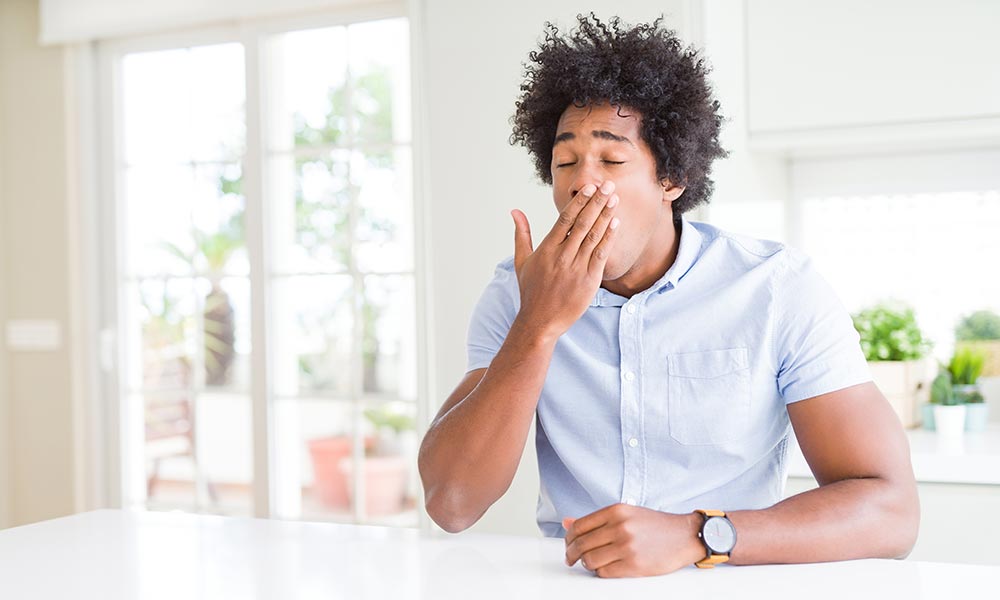
Potential Side Effects of Antabuse
Antabuse can cause various side effects even when people avoid alcohol completely. These effects typically occur as the body adjusts to the medication and may decrease over time. People should discuss any concerning symptoms with their healthcare provider to determine whether dosage adjustments or alternative treatments might help:[5]
- Drowsiness: Feeling tired or sluggish during the day
- Headaches: Ranging from mild to moderate intensity
- Metallic taste: Persistent, unusual taste in the mouth
- Skin rash: Itching or irritation that may appear anywhere on the body
- Acne: Breakouts or worsening of existing skin conditions
- Impotence: Difficulty achieving or maintaining erections in men
- Fatigue: General weakness or lack of energy
- Liver problems: Yellowing of skin or eyes, dark urine, seve9re abdominal pain
- Peripheral neuropathy: Numbness, tingling, or pain in hands and feet
- Psychotic episodes: Hallucinations, paranoia, or severe mood changes
- Severe allergic reactions: Difficulty breathing, swelling of face or throat, severe rash
Does Antabuse Have a Generic Version?
Yes, disulfiram contains the same active ingredient and produces identical effects. Generic disulfiram works exactly like brand-name Antabuse by blocking the enzyme that processes alcohol, creating the same unpleasant reactions when people drink. The FDA requires generic medications to meet strict standards for safety, effectiveness, and quality, ensuring that disulfiram provides equivalent therapeutic benefits.
Generic disulfiram costs significantly less than brand-name Antabuse, making alcohol addiction treatment more accessible for many people. Most insurance plans prefer generic versions and may require people to try disulfiram before covering the brand-name medication. Healthcare providers can prescribe either version based on individual needs and insurance coverage, though most recommend starting with the generic option due to its lower cost and identical effectiveness.
Frequently Asked Questions About Generic Antabuse
 To guarantee that all of our information is accurate, we ensure that all our sources are reputable. That means every source is authenticated and verified to be backed only by medical science.
Epiphany Wellness Editorial Guidelines
At Epiphany Wellness, we take your health and wellness seriously. We have a thorough process in place to ensure the integrity of information that is displayed on our website. All content published to our site undergoes a rigorous medical review by a doctorate level clinician to ensure medical accuracy.
Read More About Our Process
Schedule a Free and Confidential Consultation with Epiphany Wellness
 609-710-9423
 info@epiphanywellness.com